A Postcard from Torquay

I spent an hour in Torquay today. It’s never been a favourite place but I try sometimes to like it, after all thousands of tourists arrive each year so it must be okay mustn’t it? The pedestrianised town has some of the usual chains and an awful lot of hideous souvenir shops, selling the same tat they sold when I was a child. Do people really want to buy plastic dinosaur ornaments with Torquay emblazoned? Along the sea front sits a theatre where the annual pantomime  is performed by F listed soap stars and in the next few months, The Dreamboys full frontal tour – spare me, and the Grimethorpe Colliery band – probably the most talented of the bunch! The beach itself is narrow, but nice for winter sunsets when you can’t see the kiss me quickers.

Tourist ‘attractions’ include a model village (very clever and a bit twee) and Kents cavern (beautiful prehistoric caves) which is listed as a wedding venue, presumably for those of us who would like to re-enact the Flintstones. Between lovely parkland and the esplanade there is a large balloon thingy that allows you to rise directly above the bay, for the views, while remaining tethered to the ground. The hotel used for filming Fawlty towers is somewhere in Torquay, can’t think of anywhere more appropriate.

Torquay has a darker side and I don’t just mean the troublesome night clubs. It’s the drug capital of the South West, filled with dealers who moved down from places like Nottingham and Liverpool, having spent their childhood holidays in the caravan parks. Until they become OAP’s (if they’re spared) and sit in deck chairs on the seafront, with their heads under tabloid newspapers, they will happily prey on the users they have hooked. These dealers have a hierarchy; very, very evident today were the scruffy, jeans sliding down, yobs in small huddles just off the main streets. More worrying are the big boys in their own sleazy underworld. Torquay has a very busy drug and alcohol service and there are hostels in what were once tourist hotels and are now crumbling dives. I found it interesting today to see one of the town councils attempts to deal with the problems, public toilets where 20 pence is charged to help them keep them clean and safe for ‘us’, no doubt it also helps to pay for the sharps disposal container provided inside.

My visit was brief this time. I didn’t stroll beside the marina with its berths full of very expensive yachts, or drive along the exclusive Ilsham Marine Drive, dreaming of a lottery win. Instead I came back, thankful that Exeter (though not perfect) with its clean streets, history and culture is home. It seems that a journalist in the Independent thinks so too http://www.independent.co.uk/opinion/commentators/sick-of-the-south-east-then-emigrate-to-exeter-6282484.html?fb_action_ids=10150443679332742&fb_action_types=news.reads&fb_source=other_multiline but I really wish he didn’t, maybe he could big up Torquay instead.

Weekly Photo Challenge: Between

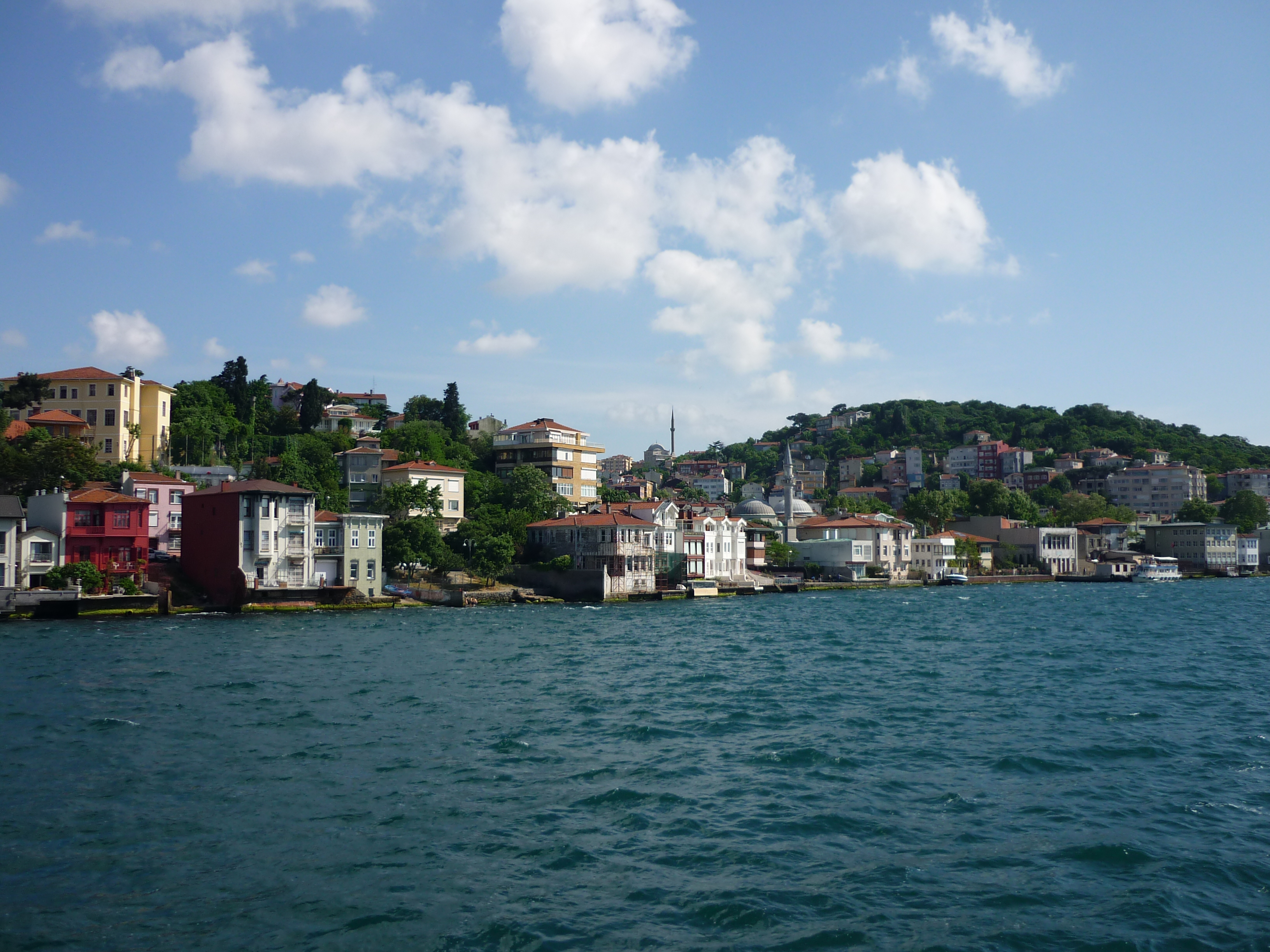
My photo this week is of the Bosphorus.  Between Asia and Europe, the twenty mile stretch of water links the Sea of Marmara with the Black Sea, at Istanbul. It’s a lovely place for an afternoon or evening cruise with drinks, nibbles or dinner. On both sides the architecture is outstanding,  palaces, hotels, colleges and homes of the Istanbullu glitterati. Europe is to the left and Asia to the right.


To Capture the Detail Look in all Directions

A few weeks ago one of the blogs I follow had a post about photographing detail. I’m embarrassed to say I can’t remember whose it was 😦 but it struck a chord because I also love to capture detail. I enjoy looking for tiny detail when I travel. So here are just a few of my favourites from the last few years. If the blogger that inspired me reads this I apologice for forgetting your name so please let me know so I can link back to you!

I know this one is odd, it’s a temporary boarding to cover up some building work that they allowed a local class to graffiti, Lyme Regis, Devon.

A garden mirror that I loved but couldn’t afford. I used to do mosaics so maybe one day I’ll have a go at creating my own!

A section of tiling at Amer or Amber fort in Jaipur, Rajasthan. There was a whole room decorated like this.

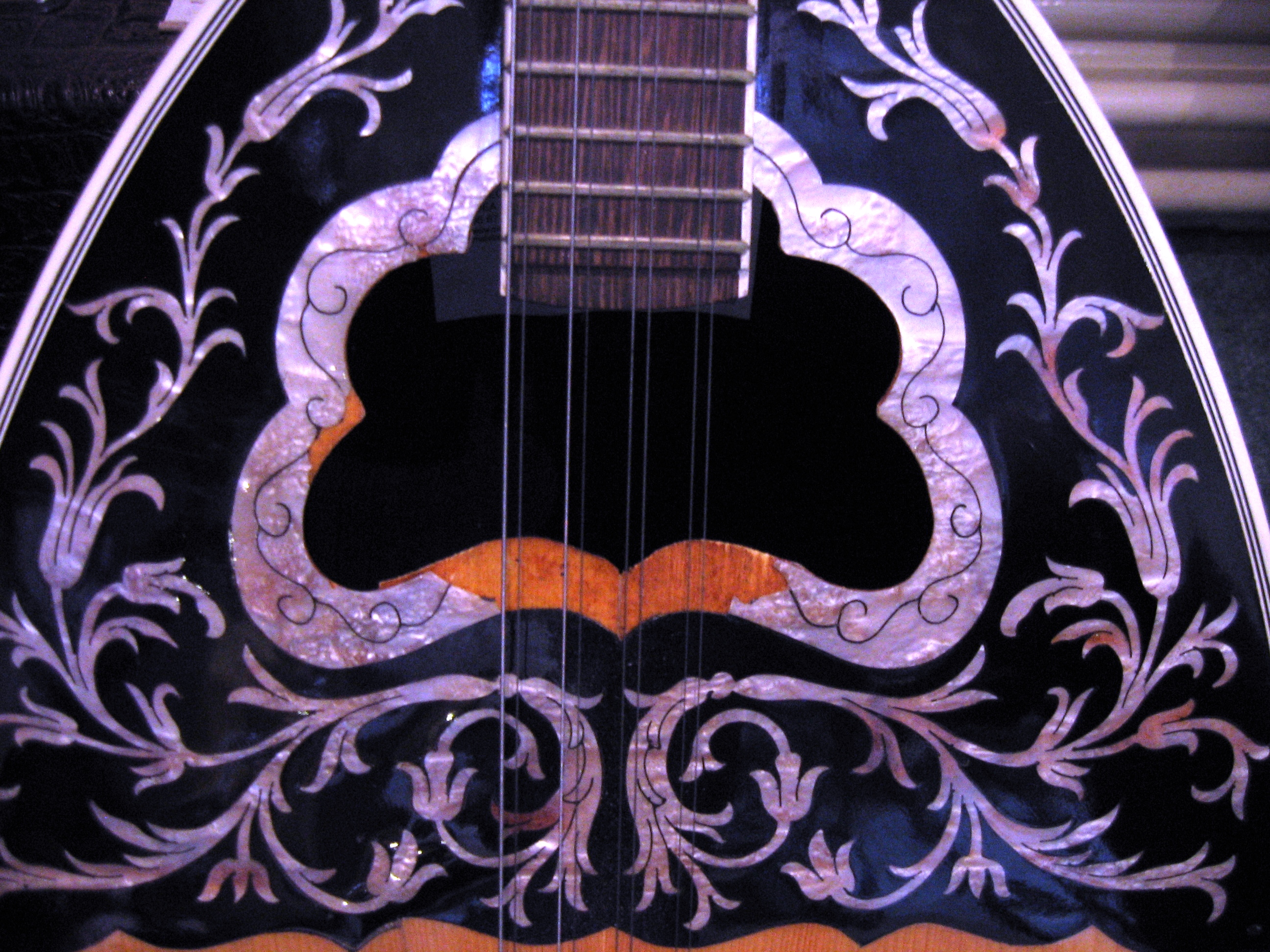
Mother of pearl inlay on a mandolin.

20th century tiling in the Attaturk museum in Ankara, Turkey.

My notebook that’s all!

A ceiling at Dartington Hall, Devon.

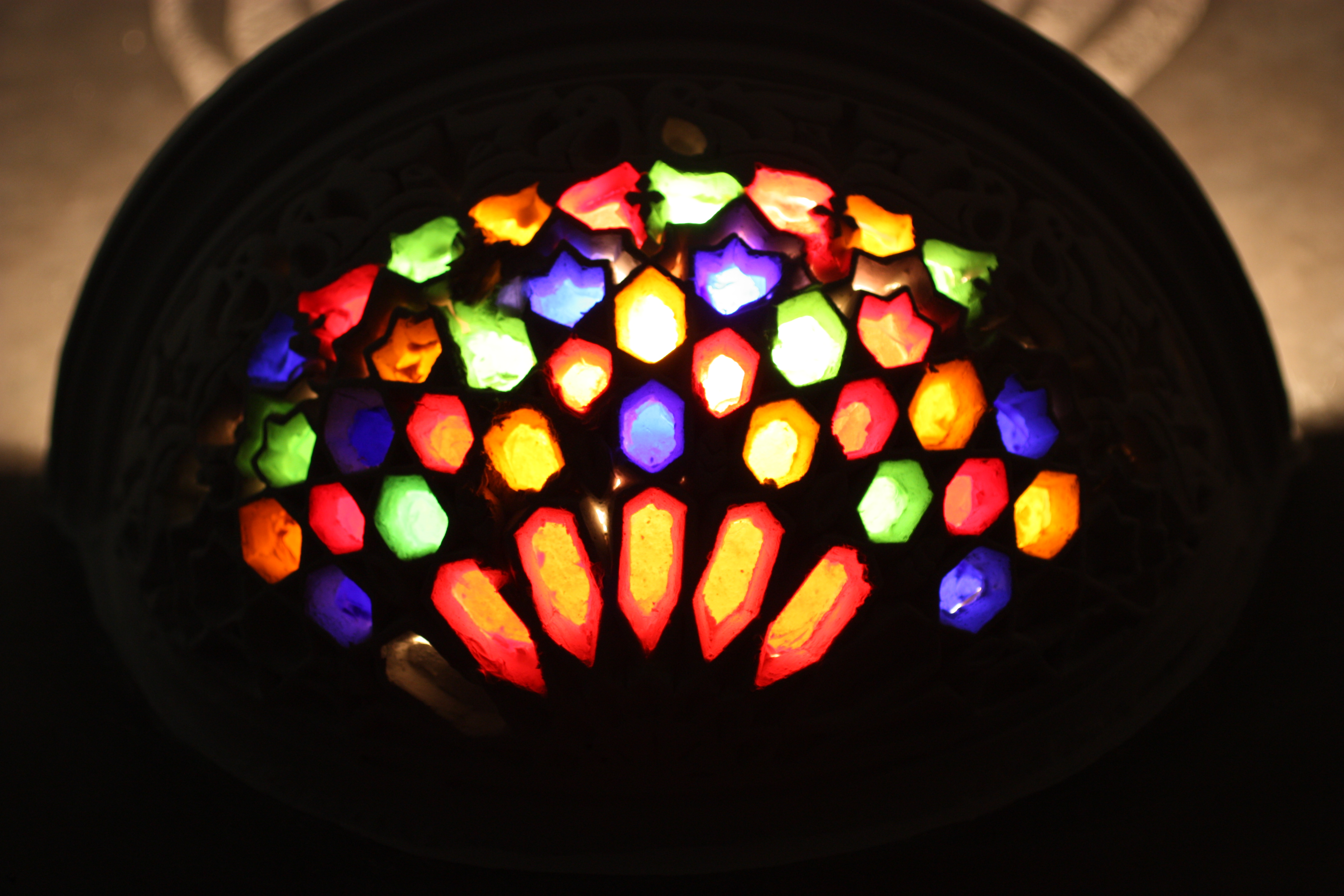
A lamp, Riad Amiris, Marrakech.

Depiction of an ancient jug in the museum of Anatolian civilisation, Ankara.

I hope you like my detail photos, they are a mixed bag of ancient and modern from home and abroad!

Across the Thar, Bikaner to the ends of the earth with prickles in my salwar kameez.

Until I began researching the idea of a trip to India I didn’t know Jaisalmer existed, but once I did it had the most powerful allure. I have tales to tell about the places en route out of Delhi, but that’s for later. We left Bikaner early, to travel 200 miles across the great Thar desert, a place so hot it burns inside your nostrils when you take a breath. After some 15 miles on NH15, signs of life became scarce. We stopped for a stretch and a photo opportunity, and when the engine was cut we stepped out into the most complete silence I’ve never heard. The landscape was empty, vegetation was the odd scrap of scrubby weed, with an occasional bug burrowing around it. It was my first taste of really dry heat – the closest feeling I can compare it to is a hair dryer on dry hair, and yet I loved it. It makes little sense to be able to get so much from . . . nothing, but I could have stayed at looked at that nothing for hours.

The good Mr Singh had other ideas, and rounded up travelling friend and I into our jeepy thing, where our body temperature gradually normalised. Half way across the desert the little huts started to appear occasionally, with boys persuading a goat or two with sticks. A government restaurant was our lunch venue with an indifferent Thali – because it contained the dreaded gobi – and apple juice, for one hundred rupees. More desert road, and just as our eyes were growing heavy, looking at beige-gold sand, Magan slowed down to negotiate his way through a crowd of people. There was nowhere, no homes, enclosed land, McDonalds or anything, but somehow around twenty people had appeared, to argue over who had run over, and killed, a camel. Someone had to compensate the owner and somehow it had to be moved. It was macabre, just like hearing sirens on the motorway.

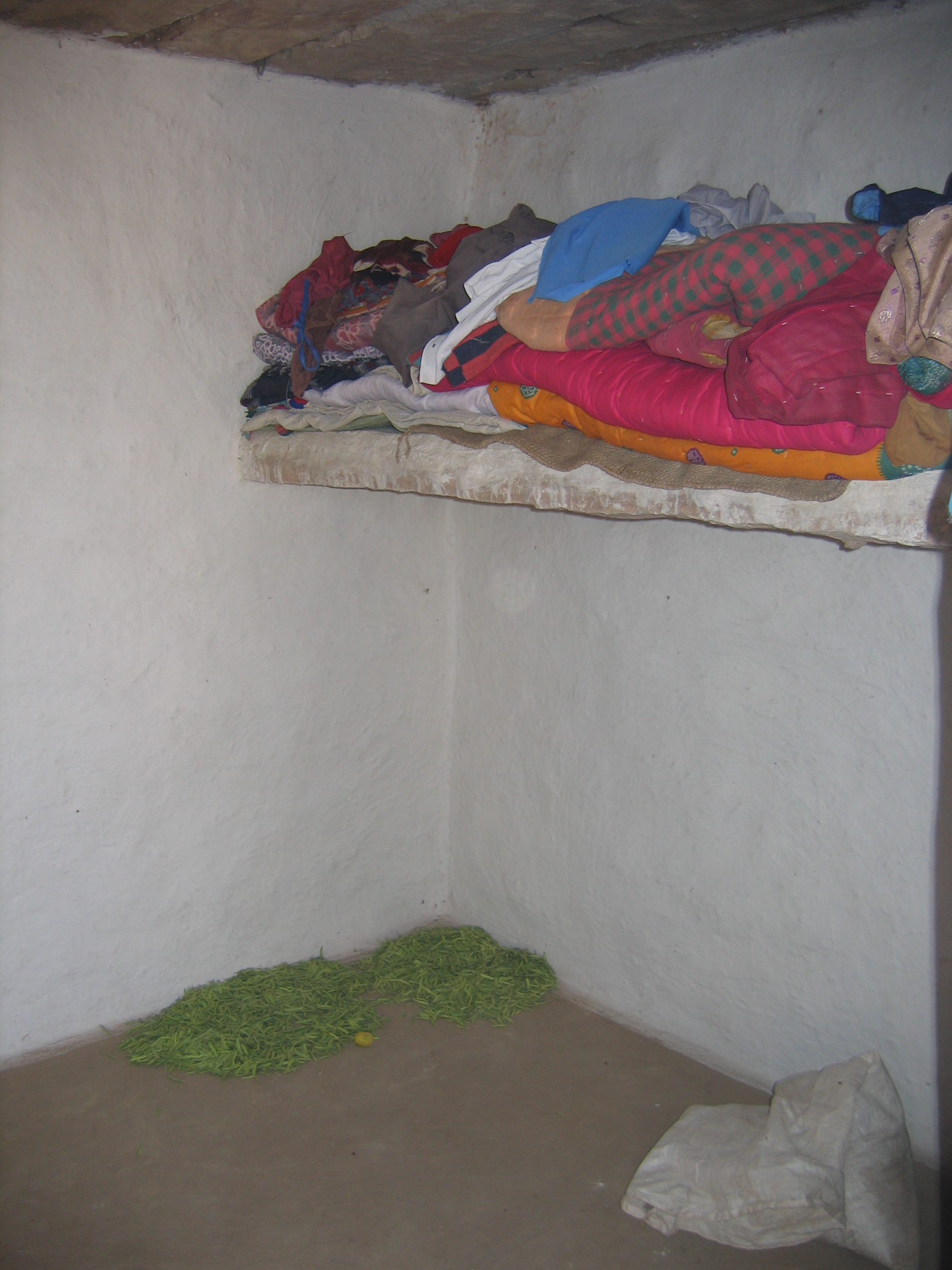
Magan must have watched our expressions in his mirror instead of watching the road, either that or he read our minds, because he always stopped just when we spotted something interesting. Later in the journey we became cynical, thinking that he had stopped at the very same place countless times, where the very same group of women always wore their best saris, for the delight of his western tourists. This time we had chosen a couple of striking brick and thatch houses a hundred yards from the road. As we took pictures some children came and invited us to visit their homes. Newly built and tiny but with a bed for each person, some shelves for clothes and one had a fire to cook.

Outside, another charpoy bed was under an open sided, four post shelter. In all there were three adults and seven children, the sum of their possessions would have fit under my kitchen sink but they were so happy and proud.

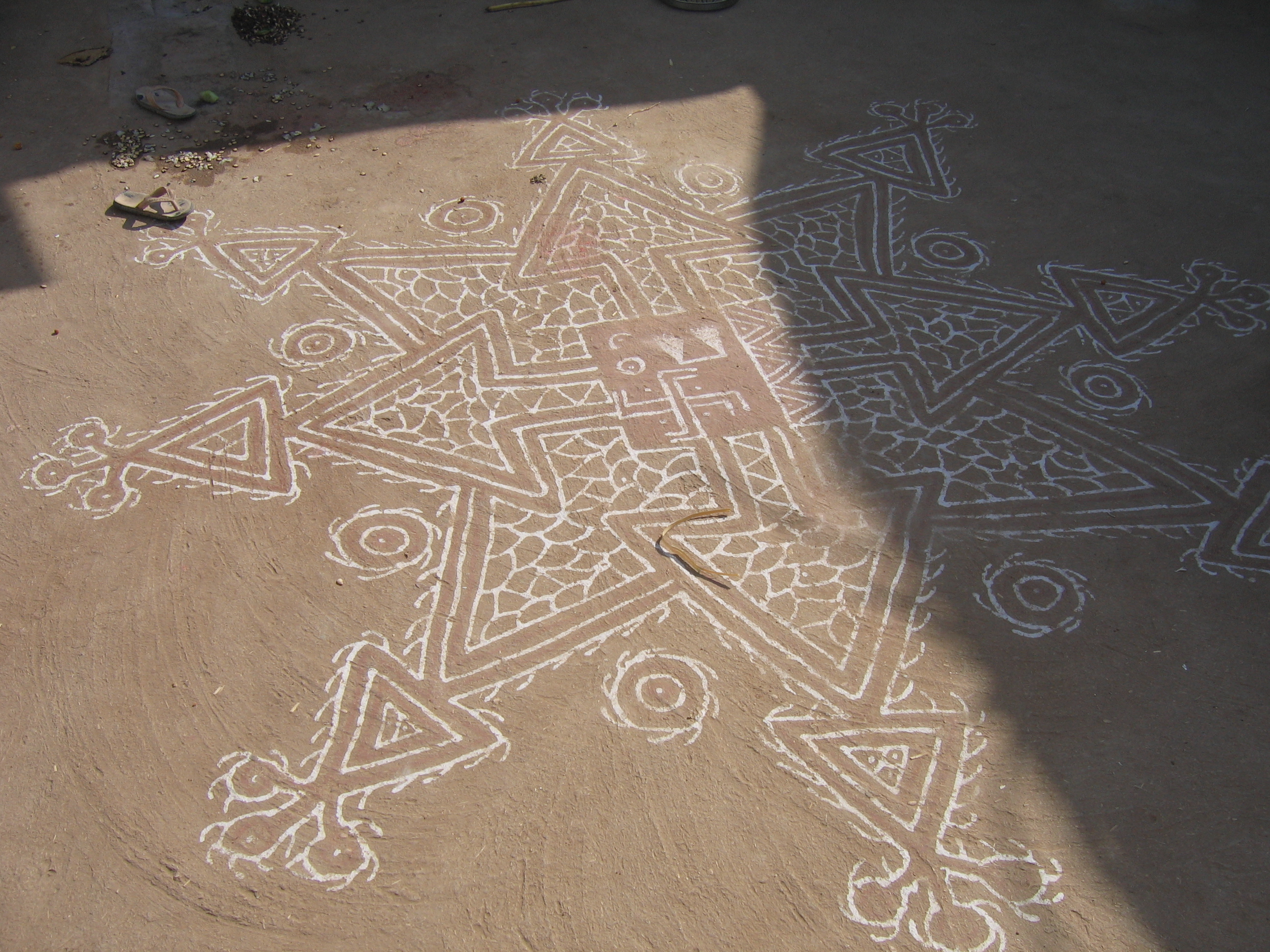
To celebrate Dussehra they had painted a Rangoli, a bit like a mandala, in white on the pressed ground that was their courtyard. The oldest child, a girl around twelve asked for shampoo but as Magan said we should not start a precedent, we gave them only sweets and they were very happy.  He told us that they would tell the story of our visit for the rest of their lives, we would never forget them either, it was an encounter to cherish.

The countryside from then on was sprinkled with villages and a few military bases, including an area where nuclear testing was carried out in the past. In the greener areas there were castor oil plants and kedgeree trees. We knew were approaching civilisation when there was enough irrigation from ‘tanks’, concrete reservoirs, to grow water melons. Rather than the red we are accustomed to, these were white fleshed and Magan smashed them against rocks for us, a welcome treat.

Magan had a wealth of knowledge to impart including about turbans:-

Men wear them to protect against heat.

They can be used as a towel

They can be tied to trees to use as a hammock.

They can be used as a bag.

And, different colours represent different families.

Our last stop before Jaisalmer was when we saw some women working in a field, Magan thought we wanted to take more photos, but before he noticed, I started to stride across to talk to them. I’d gone a little way when I heard him call me so I turned to wave and carried on. He called louder and sounded quite panicky, but because he was such a mother hen worrying about his Western chicks, I ignored him. He ran after me and looking like he was going to cry, pointed at the bottom of my salwar kameez. I was covered in hideous, prickly, seed heads that had buried themselves into the fabric and were agony to remove. He was mortified, poor man.

We arrived at a point just outside Jaisalmer, an ancient city at the end of the earth and stood to absorb the view. But you’ll have to come back again to hear more.


Gallipoli and Anzac Cove, in remembrance

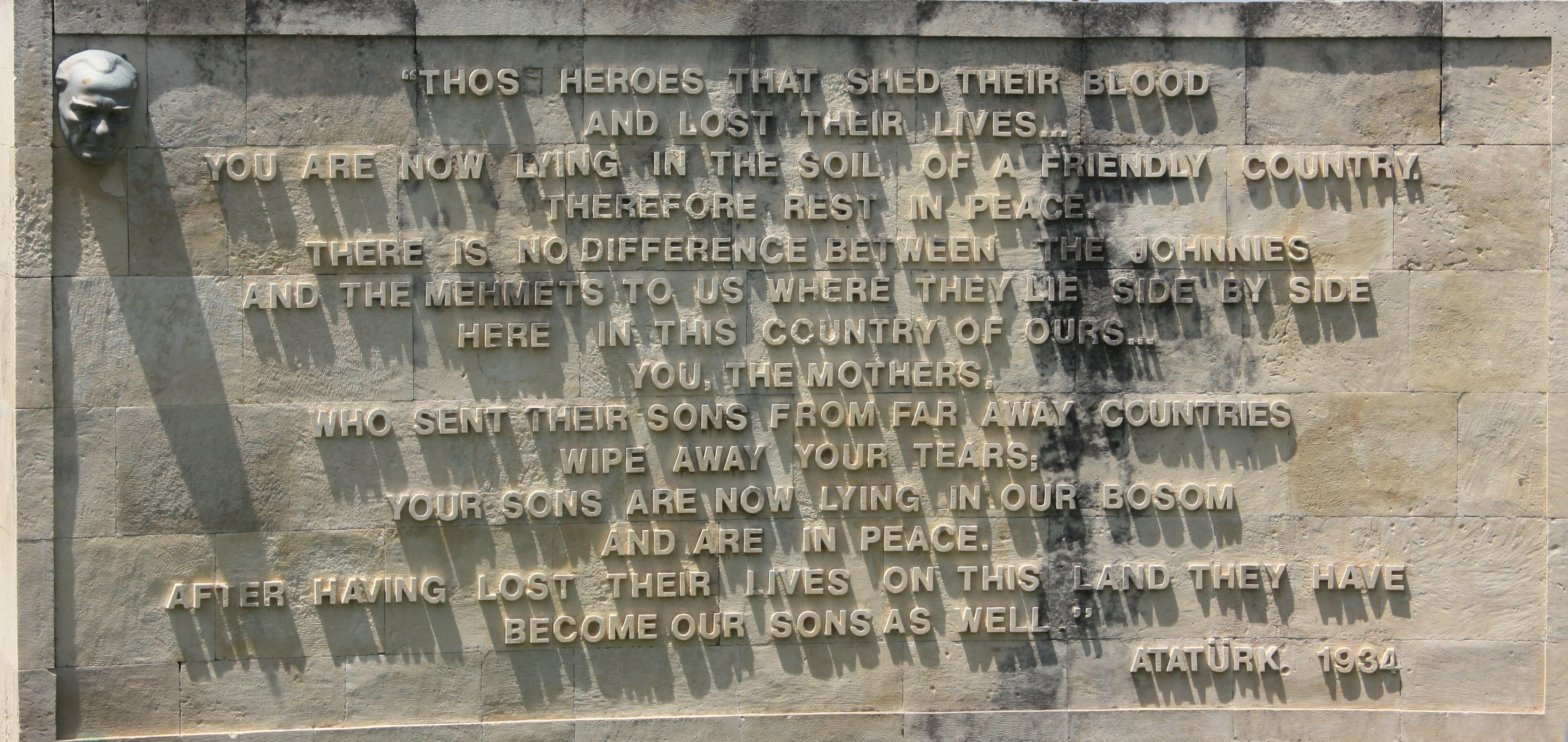
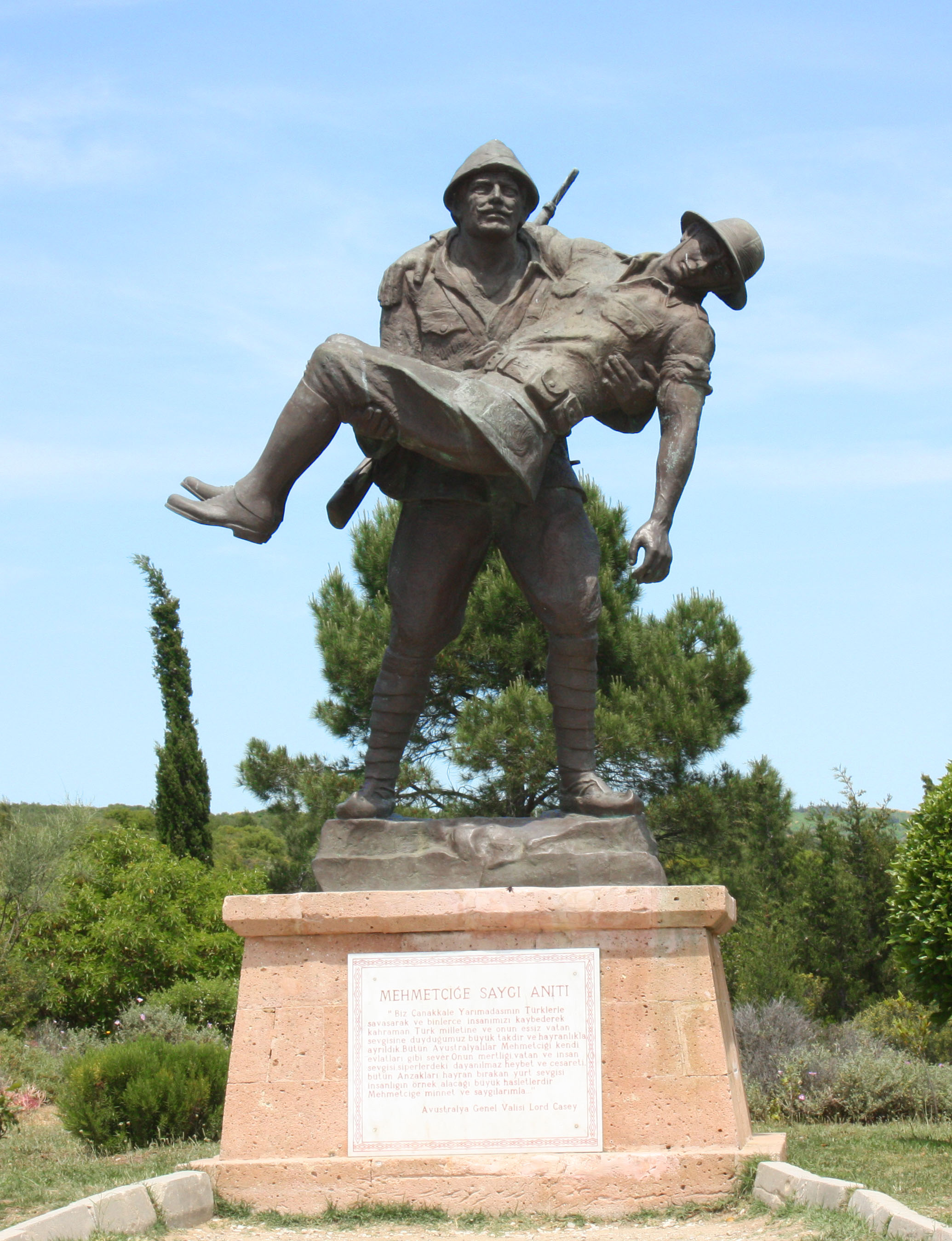
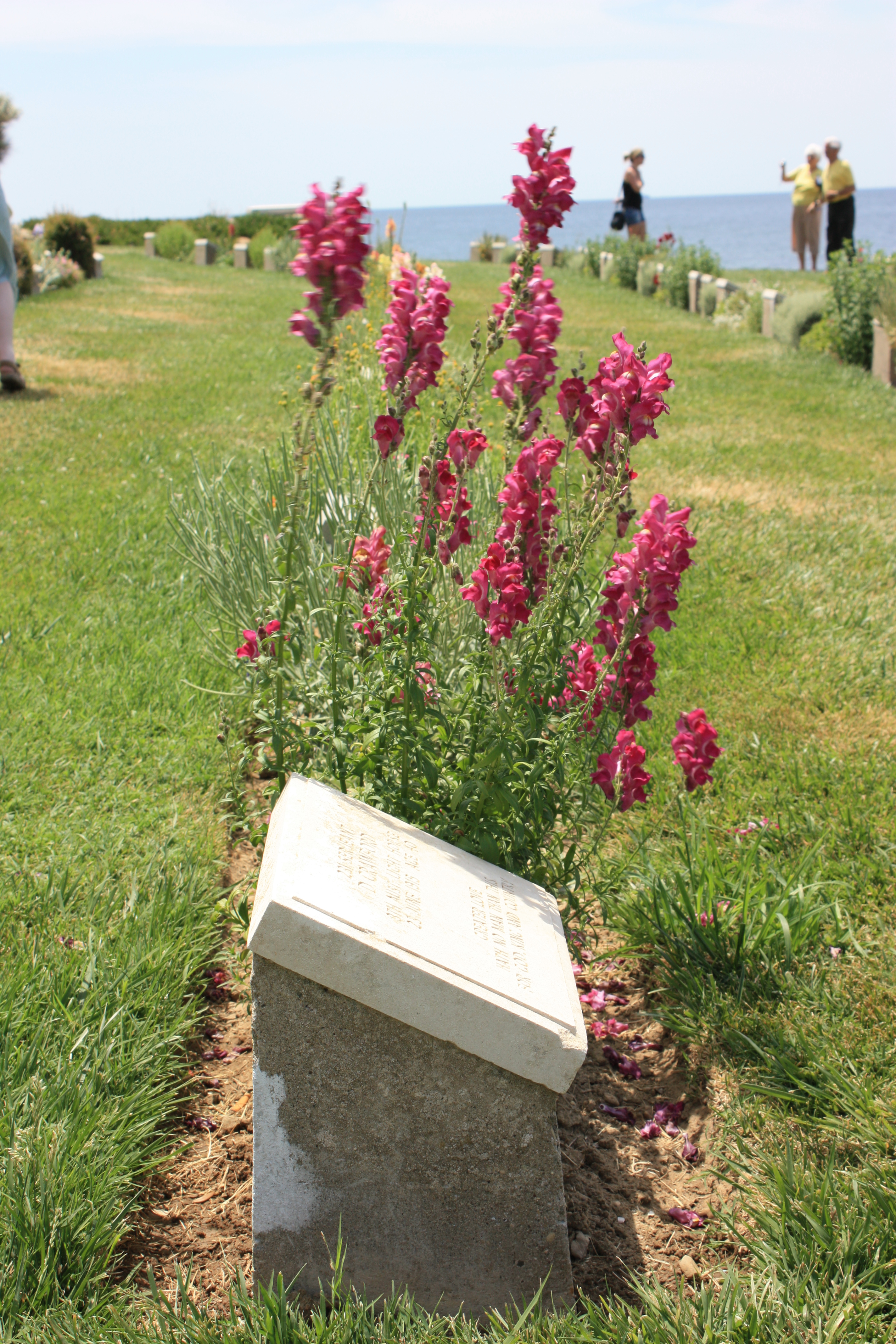
I was privileged to visit Anzac and Gallipoli on the Dardanelles earlier this year and found it an incredibly moving experience that remains with me still. As tomorrow is November 11th I thought I would share some photos I took there. I think you will agree it is beautiful, the Turkish people have made it a protected area with only people whose families have farmed there for generations allowed to do so. They are a very generous people with no bitterness only a deep compassion for those lost.

Dartington Hall, a photo blog

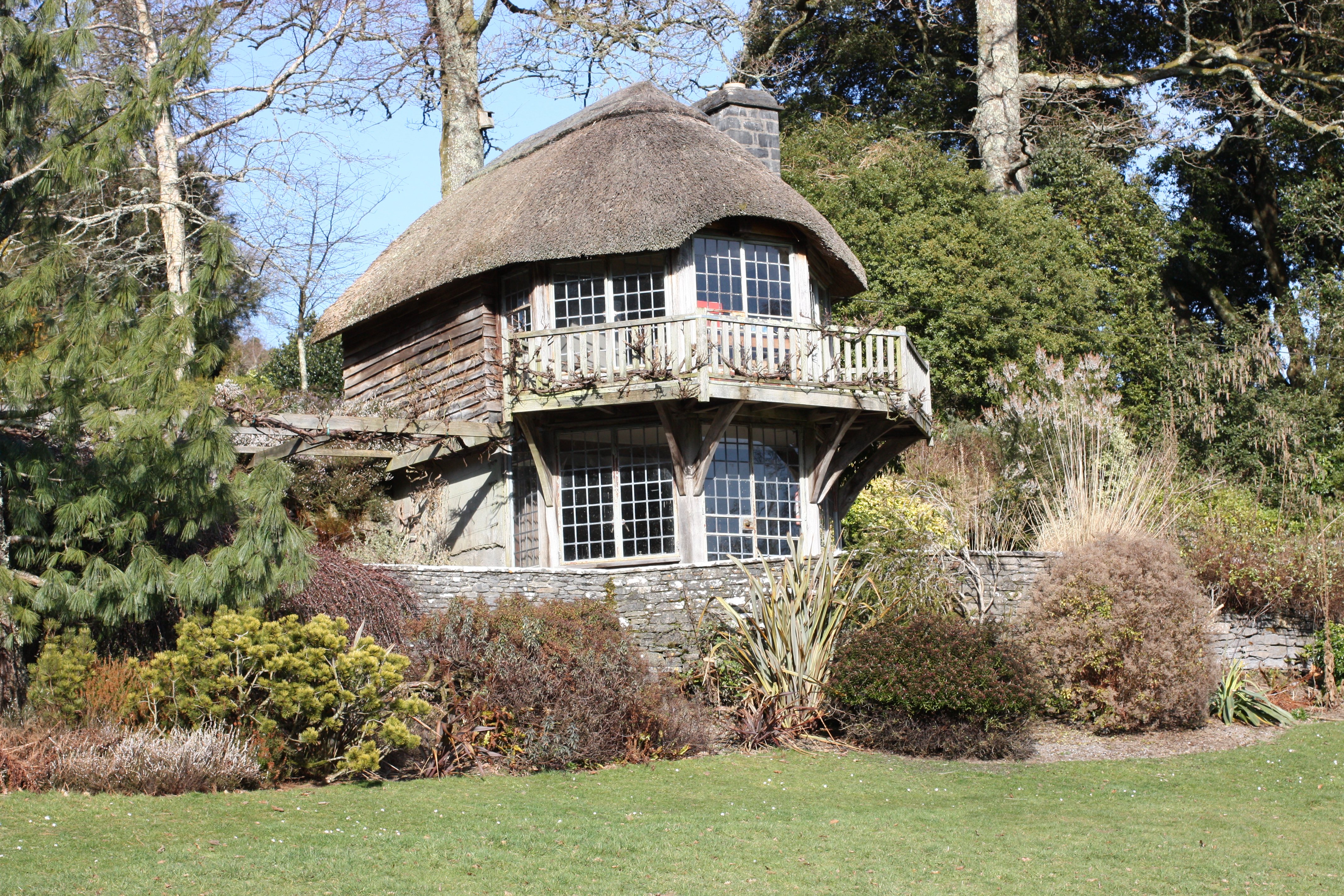
For many years I have been visiting Dartington Hall in Devon, twenty five miles from home and have often raved about it to my friends. It’s a stunning place held as a trust began by the Elmhursts, a visionary family since the 1920’s. Part of the estate is farmland and woods as well as a landscaped garden. It’s a major centre for education and performance of arts and until last year was  home to Dartington College before its move to Falmouth.  Each summer it hosts a literature festival, Ways With Words, when for two weeks the grounds are filled with people relaxing between events. The festival attracts world class writers from all genres and my only criticism is that perhaps it is becoming increasingly high brow. I’ve photographed the grounds in all seasons, there is always something to see.

I think one of my favourite times to visit is February when the scent of witch hazel assails you before you can find it – unless like me you know just where it is.

But of course I’m really fond of snowdrops

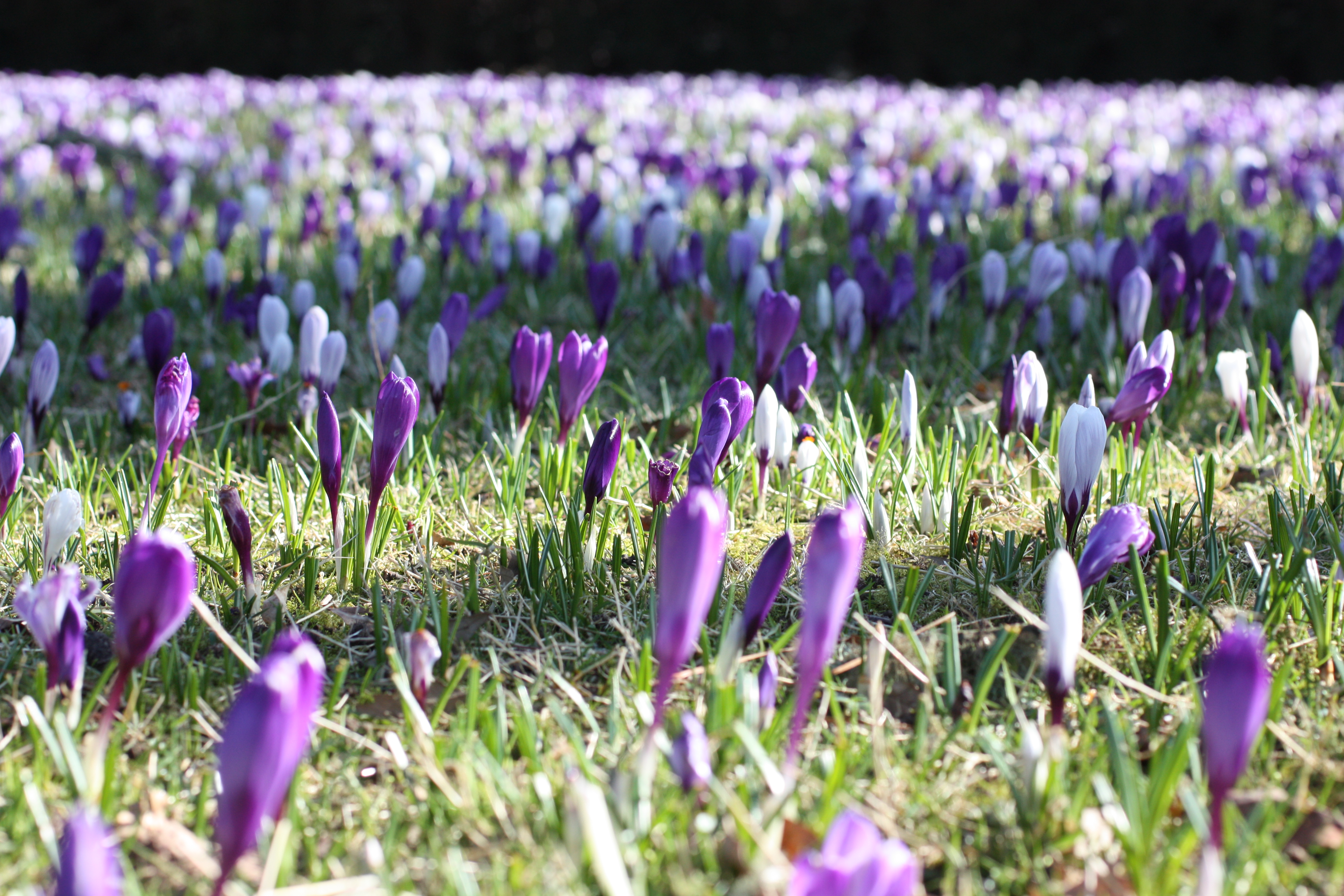
Followed by the crocus

While I’m here, this is my dream office,                                                                                           it has the most amazing view of the valley                                                                                 and I’m sure I could be incredibly creative                                                                                    here if only they would let me have it                                                                                    instead of filling it with garden tools.

No prizes for guessing the sculptor!

It’s a permanent feature

unlike this one,  resident for a few months and that I took lots of photos of.

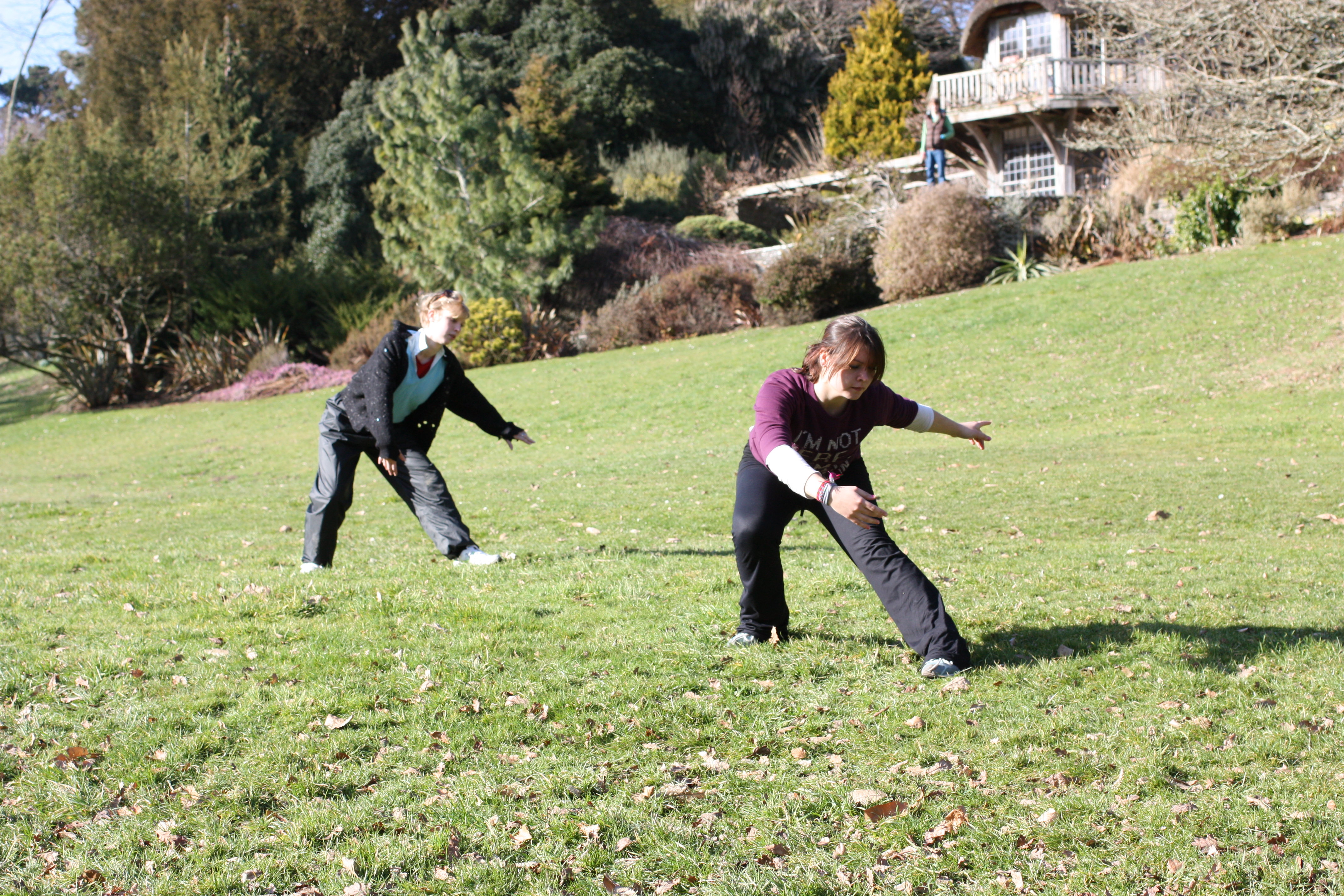
Dartington has plenty of space for performance rehearsal

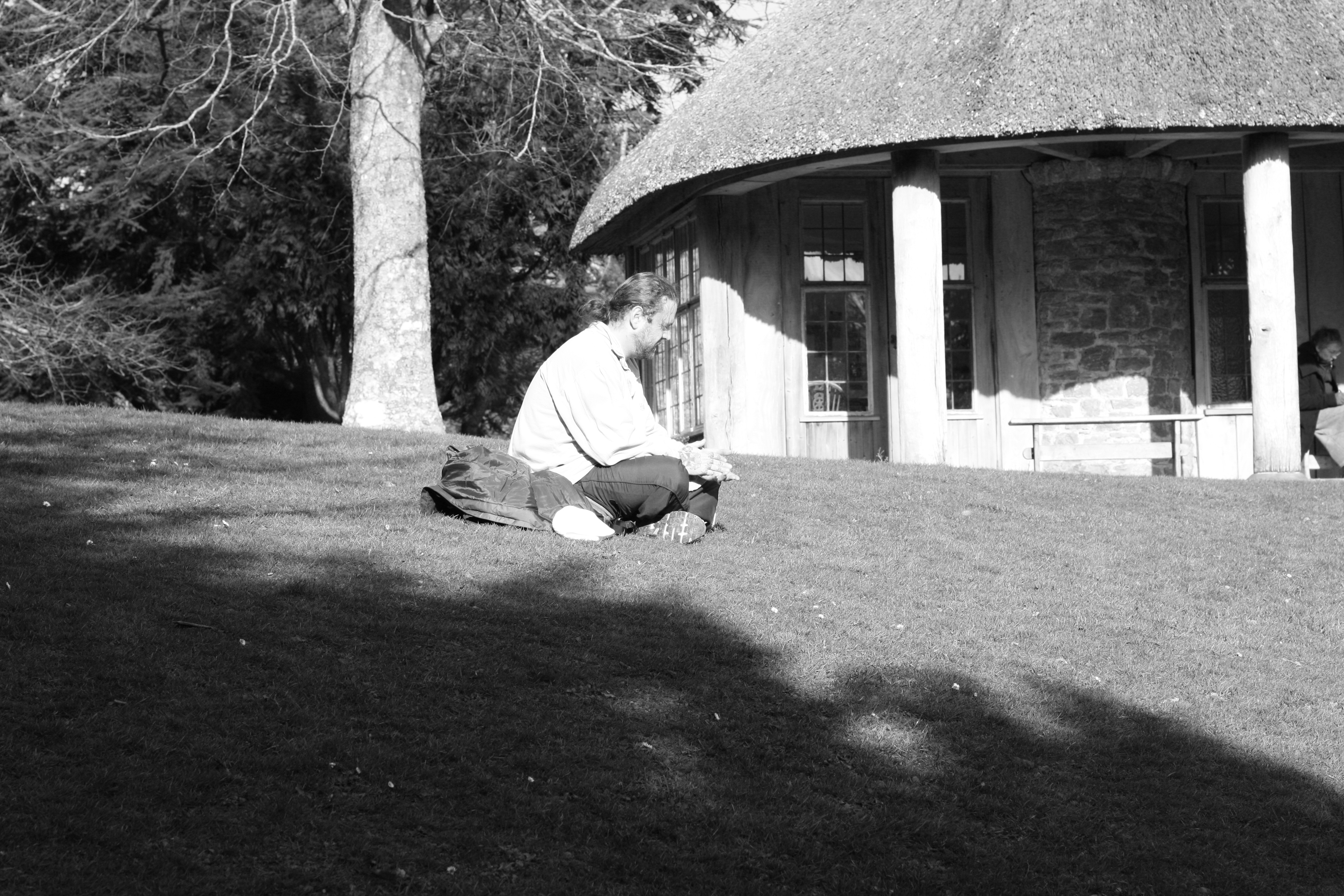
and quiet contemplation

The planting is elegant and striking

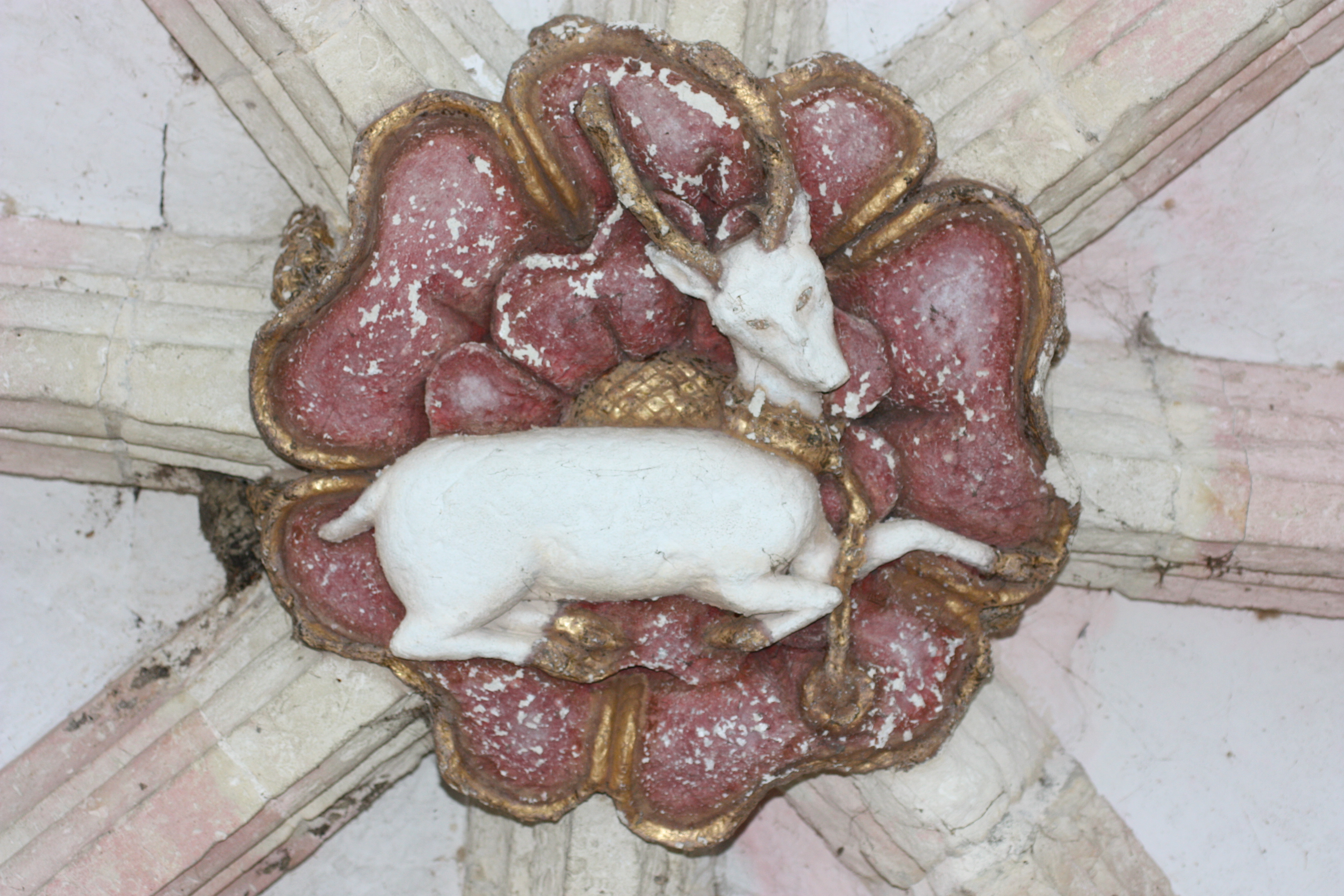
There’s a restaurant and bar,The White Hart, it’s name may have been inspired by this detail on the ceiling of the hall itself.

Places to climb 

 Abundant summer flowers

Sunny benches

Shady walks where who knows what you may find.

But don’t let the gardener catch you doing this!

unless you can think of an excuse very quickly!

Dartington is special, I’ve loved sharing it with you and hope that you get to visit one day.

 Shady walks

Hitching a Ride

Which of you have ever hitch-hiked? I have. And loved it. But that was way back when. When The Faces had not long lost their Small, flowers were still in our hair and I spent my summers picking strawberries to save for a Transistor Radio with –  wait for it – EARPHONES! so I could listen to Radio Luxembourg under my sheets. Kim and I would walk along Topsham road; look at the road signs and think, Torquay today? With no map or any idea where it was, we would sit on the edge of the road with our thumbs out wearing hotpants that barely covered our whatsits, and surprise, we never had to wait long for a ride. We saw a lot of Torbay that year and it certainly beat walking the ten miles to Exmouth as we’d done the year before, desperately aiming for Pink House Corner, the landmark where we had broken the back of it.

Most often our lifts were lorry drivers who happily shared their sarnies, Spam or cheese with red sauce on white bread with margarine. Better though were the couple of times where we struck gold with travelling salesmen, who took us to roadside cafes in flashy cars. Any car was flash to Kim and I though, neither of our homes had vehicles. Torquay’s sea front stretched a mile or so to the harbour and then just a choice of two streets up the town via the dazzlingly tacky amusement arcades, ice cream parlours and chip shops. It hasn’t changed much, apologies to any Torquastas reading, but apart from the gloriously expensive Ilsham Marine it’s all a bit predictable isn’t it?

A couple of years later I saw an article on what was then Westward TV about a tiny place in Dorset – Whitchurch Canonicorum, telling the tale of a shrine to St Wite http://www.darkdorset.co.uk/st_wite Why this particular tale pushed buttons I can’t think but I just had to go and see it for myself. My chosen victim, no companion, on this saintly search was my best friend of the time, Sue Leichman, who disappeared from my life shortly after, possibly with a morbid fear of what I’d drag her into next. We got a ride on the A35 but must have walked a good way from there into murky Dorset. I vaguely remember a tiny church and trying to find a way of stretching the time we spent there to justify the effort involved. I have no idea how we got home again. To be honest I can’t ever remember how we got home from any of our adventures, I ‘m just grateful.

I don’t think I went hitching many more times after that, but back then it was exciting to see how far we could get for free. It was commonplace then to see people on the side of the road looking hopeful and it’s sad that the majority no longer feel safe to try.

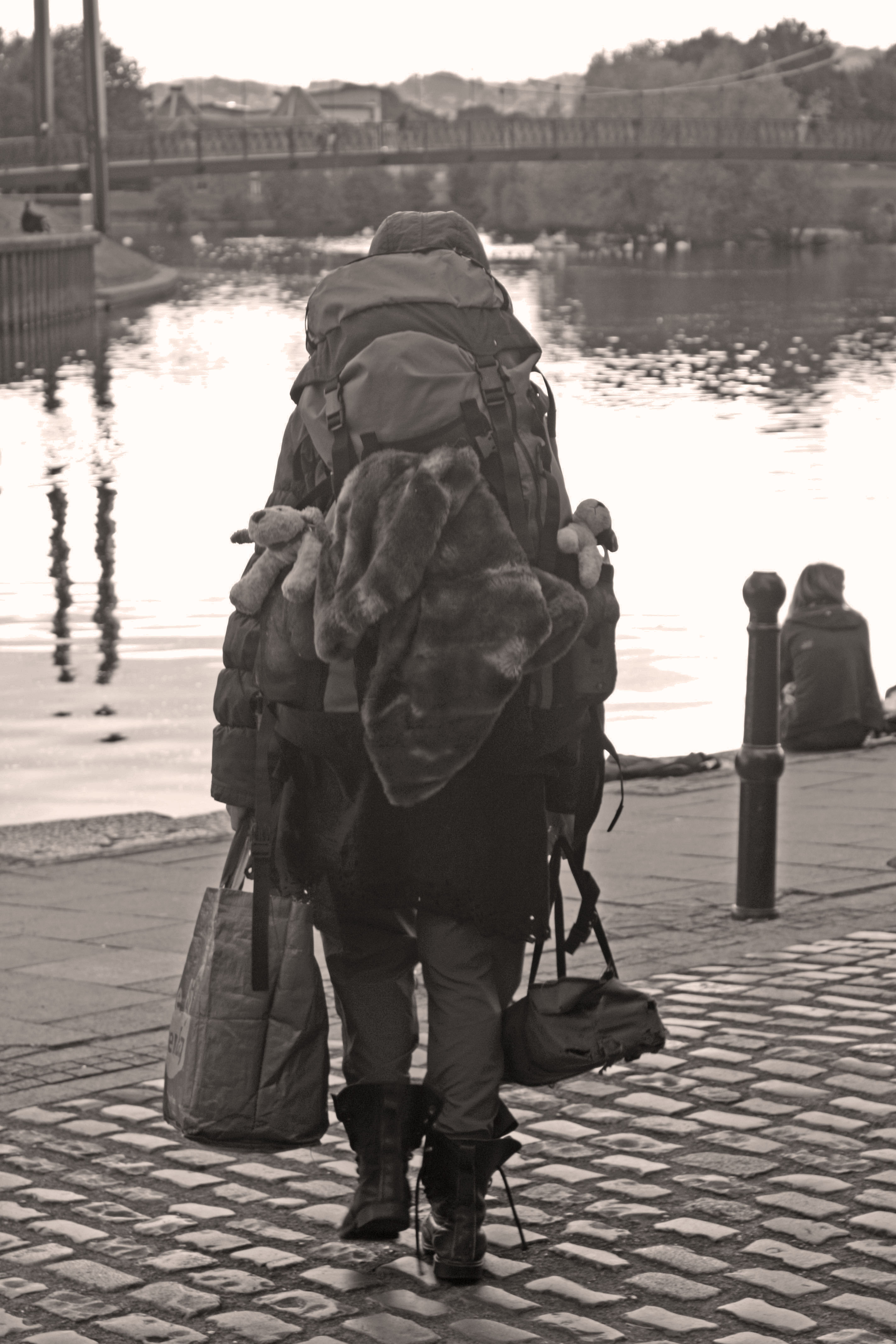
In the late 1990’s I was driving towards Southampton and ten miles out on a grim, damp morning I saw a young woman on the side of the road with a sign saying London. I slowed to check her out. She looked about seventeen and really cold and scruffy, of course I had to pick her up to make sure no-one worse did so. She threw her backpack in the boot and before she touched the seat I could smell her! I opened my window wide and put the heat on full. Her hair was matted, her clothes raggy and she looked malnourished. She walked from Fairmile to the main road. The old A30 that is, and she had spent a month in the trees with Swampy and the other environmental protestors trying to prevent the construction of the new A30 bypass. We parted company before too long, I took the low road and she the high for London, but it was an interesting experience and insight into their treehouse and tunnel life.

A friend told me recently that she picked up a man hitching to near her home town, a total stranger and she a lone woman. Others had criticized her and questioned her sanity but she said she could tell that he was okay. How did you know? I’d asked. She couldn’t give a precise answer, she just did, ‘Sometimes you just instinctively know.’ Apparently it was an enriching journey where the stranger shared all sorts of anecdotes of his travels around the UK, always by thumb and cardboard. Hitching is largely gone, but not forgotten.

A Summer of Boats, England and Turkey

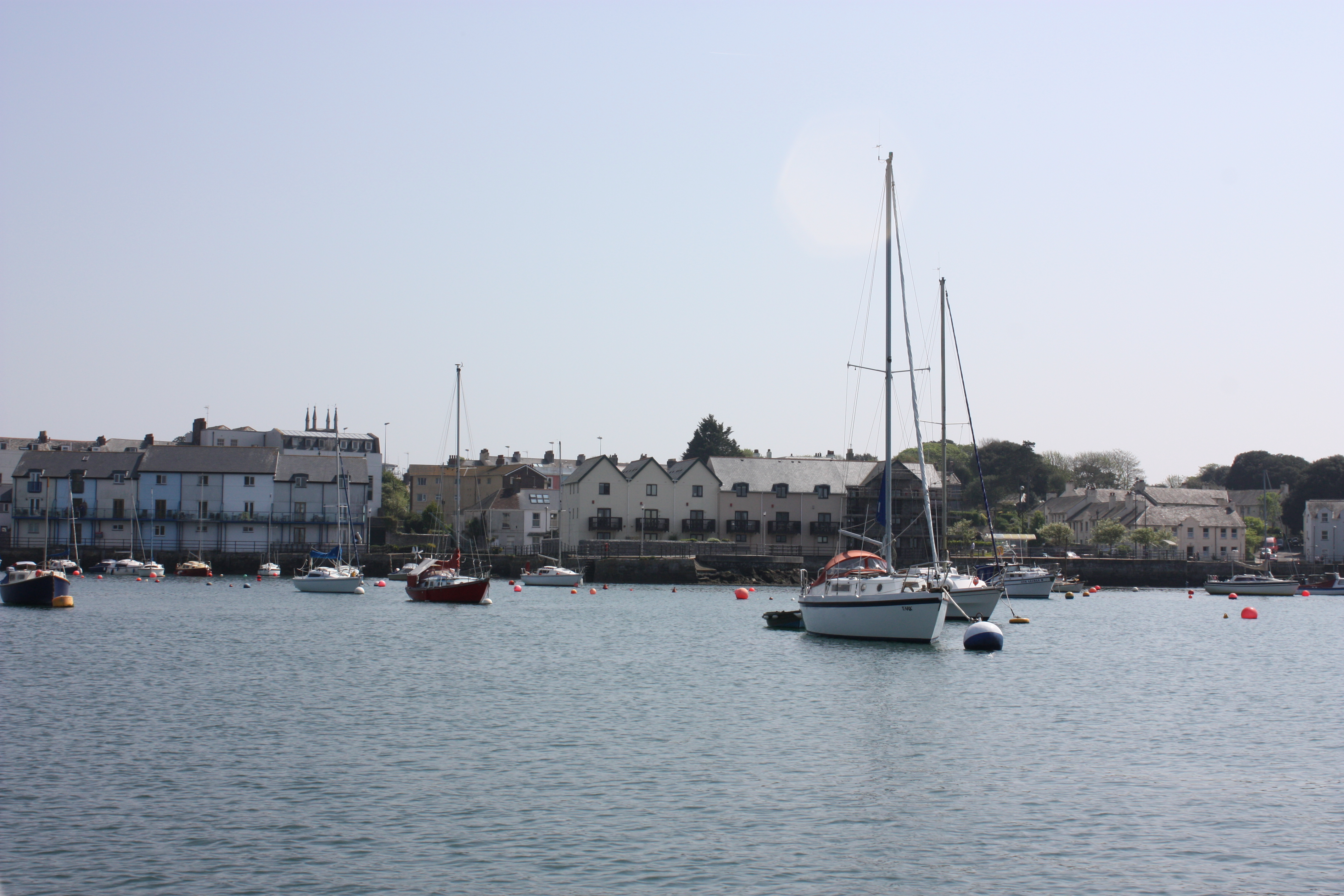
For someone who doesn’t do boats and knows nothing about them, this has been a boaty summer. It began on a glorious April day with a short trip across the Tamar River in Plymouth, Devon on the Cremyll ferry with my lovely daughter in law and granddaughter.

One of the best things that Plymouth has ever done was to buy the Cremyll along with Cornwall Council, for fifteen minutes you have the most wonderful view of the Sound, Royal William yard and the spectacular coastline.

The boat was full of day trippers who like us were heading for Mount Edgecumbe Country Park, on the Rame peninsula that’s actually in that foreign land of Kernow.

Plymouth is a bustling city with little charm having been badly hit in the blitz, but stepping onto the ferry really is another world.

Everyone is excited to be going on a mini holiday to the countryside, the ferry ride is less than five pounds for a family of four and the destination has acres of grounds and gardens to walk, picnic and relax for free!

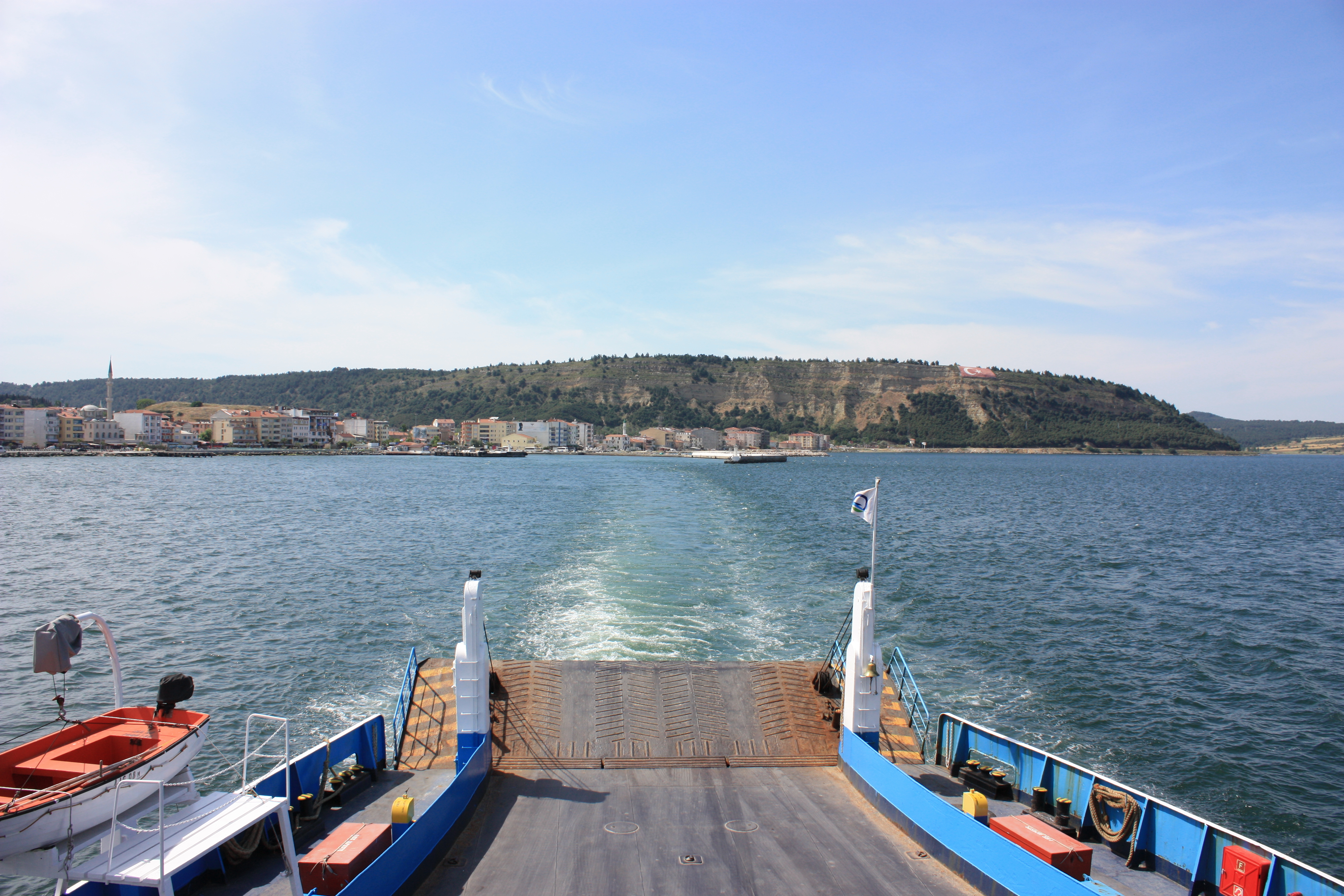
My next boat experience was crossing the Dardanelle straits, which both connect the Aegean to the Sea of Marmara and also separate Asian turkey from European Turkey. The Dardanelles have been an important stretch of water throughout history and strategically relevant in the Crimean and First World War After an emotionally moving time in Gallipoli I crossed to Canakkale on a large boat where I’d foolishly chosen to sit upstairs for the best view and nearly froze in the draft for an hour. Soon after landing my travelling friends and I reached the site of the ancient city of Troy but that’s for another blog.

Ten days and around eighteen hundred miles and I’m back at another ferry port, this one takes me back to the European side of Istanbul. It’s a large ferry this time with lots of strange chunks of metal, cables, ropes and good strong coffee. The view in all directions is amazing and it’s a real thrill to arrive in a cosmopolitan city I have waited so long to visit.

Later in the day it’s time for a cruise on the Bosphorus, we are just a few on Edim, a posh boat that had the capacity for fifty people with a bar and café. We cruised along one bank beside painted wooden houses, stylish restaurants and clubs frequented by Istanbul’s’ glitterati.

Pootling along for what seemed like hours, the waterway was busy but with space enough for everyone it was quiet and relaxing. The size of the city became apparent from the perspective that the water gave, I lost count of the number of domed mosques and minarets.

Some of the grandest buildings were foreign embassies, palaces and military colleges. The Bosphorus was a lovely place for a relaxing cruise, next time I’ll go by night.

In August I had a brilliant day out with friends in Gloucestershire, a couple of hours on the train. Gloucester Dock, a very ‘Gentrified’ area has the prettiest of canal barges,  well   maintained with shiny bright paint jobs. I’m very curious about who lives here and just what they are like inside. I imagine it’s like being in a wobbly caravan,lovely in summer but a bit bleak in winter especially if the canal froze.

A complete contrast for my last boats of the summer, on Exeter quay where there is a working boatyard. It’s one of those places that look out of bounds and until last year I had only stood at the gate to peep, until one day a man said that it’s public and okay to go in. It looks like a very male environment until you see pots of geraniums flowering their little heads off. A very sensory place with smells of engine oil mixed with oily fry-up, sounds of oars, hammers, rap and classics and boats of all shapes and sizes. I’ve watched this one

develop and now it’s nearly completed it may be gone next time I go down. I’d love to see it hit the water.

This one saddens me, the council have deemed it rubbish and an eyesore.

An official letter is pinned to it stating that they will dispose of it unless the owner removes it by a date that has now passed, and they will charge for doing so. Someone has been working on its restoration, just not as quickly as the council would like, it’s a massive money pit of a project. I talked to one of the boat owners and he said that the mooring fees had been paid and apparently it’s a trawler, obviously very old. Who knows what its history is?I believe it would be beautiful once done, surely the purpose of a boat yard is to mend and build boats? Bureaucracy drives me mad.