Dartmoor Walls


Containing livestock

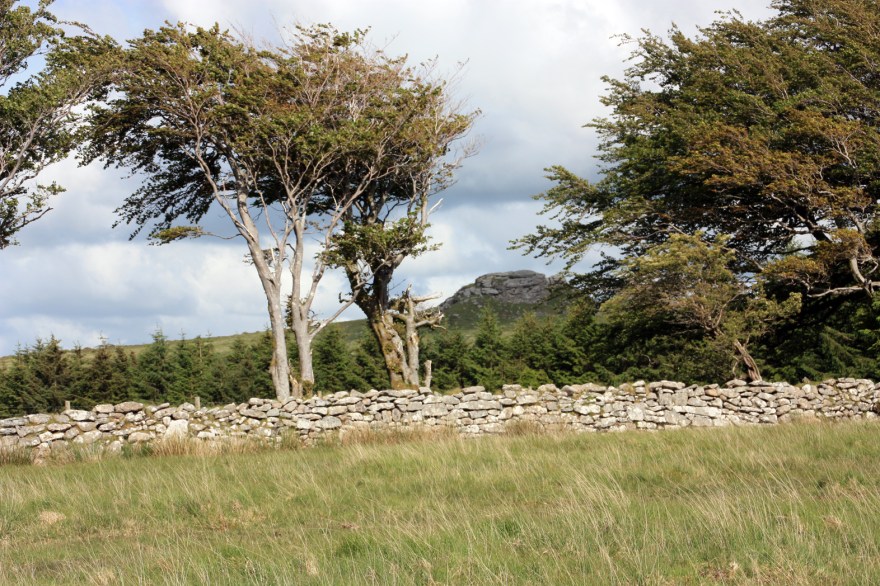
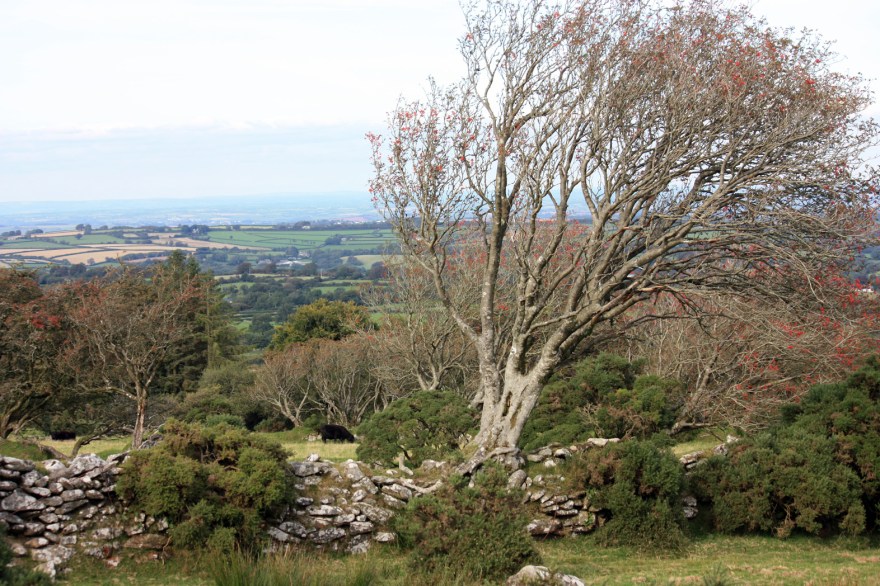
Like many upland areas around the UK and the rest of the world, dry stone walls can be found all over Dartmoor. Some are hundreds of years old and have fallen into disrepair, others are well maintained and still functioning as they were intended.

Near Scorhill
Near Scorhill
The Two Bridges road
North of Two Bridges, towards Wistman's Wood
North of Two Bridges, towards Wistman’s Wood

The name refers to the lack of any mortar used in the construction, although often nature takes its course and soil arrives and fills in the gaps.

Up close and covered with lichen and moss
Up close, covered with lichen and moss

I’ve always loved these old walls,  to run my hand across the granite is a journey back to the dawn of time on our planet, and to make contact with all the hands that have touched before me. Dartmoor’s dry stone walls may not be as grand as those built by the Incas in Peru and I don’t suppose they can be seen from space like the Great  Wall of China, but they are living, breathing masterpieces in their own way.

Cheri Lucas Rowlands has created the photos challenge of Wall this week, click to join in.


Michelle Loves Orange, So do I

As long as I don’t have to wear it!

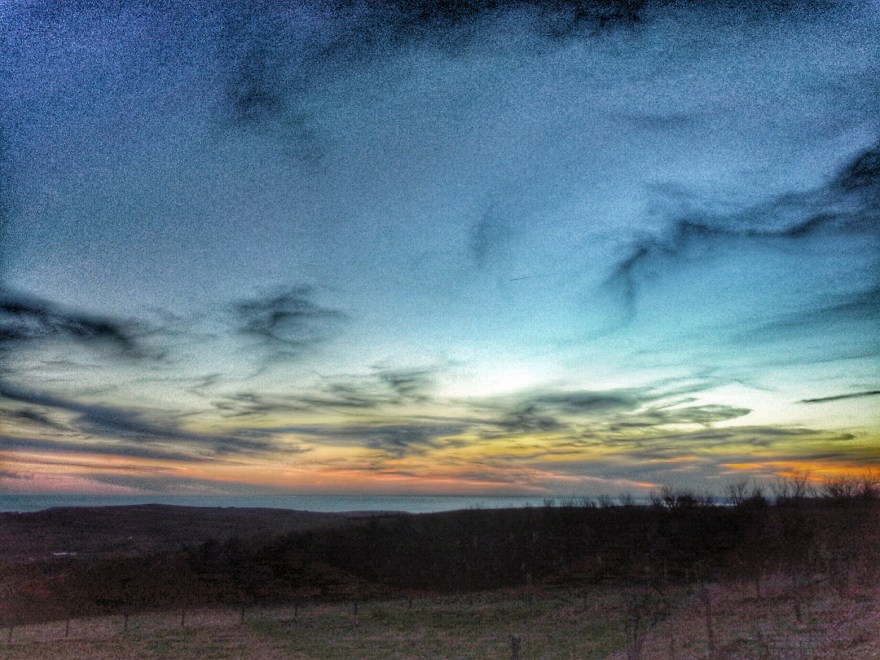
What’s not to love about orange? It’s vibrant. It’s cheerful. It makes a statement. It’s the perfect punctuation for a punchy photo.*

This week, share a group of photos where orange is either the dominant color, or provides a bold highlight. Shoot for at least three photos, and look for different shades — bright neons, deep rusts, delicate peaches.

So that’s Michelle’s challenge at The Daily Post this week.

And here are my photos, enjoy!

You know where to go to join in, I’m looking forward to seeing your entries.

A Warren Walk

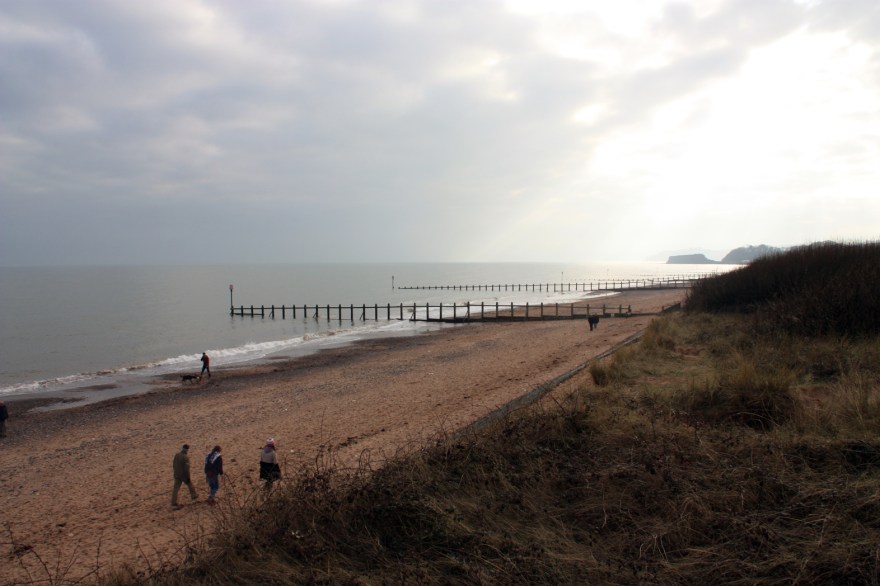
When I was child, if you lived in Exeter, to the east of the river Exe, your beach was Exmouth, to the west and it was Dawlish Warren.  Both beaches are around 10 miles from the city. Back then, in the dawn of time, most people didn’t have cars, but there was always the regular train or bus service, and there still is.

Summers were longer and warmer then, and the sunshine was, well, sunnier somehow.  Families would pack up their bags with sandwiches, homemade sausage rolls and cake, kids would take their buckets and spades. Sun lotion didn’t exist, so many would burn and peel a few days later, the lucky ones would just tan.  No-one thought anything of it, other than a touch of calamine lotion if it was sore.

Nowadays the Warren is a National nature Reserve and protected as a Site of Special Scientific Interest (SSSI) and along with the rest of the Exe estuary, a Wetland of International Importance. Last weekend I took advantage of a few dry hours and took my camera for a walk.

In winter Dartmoor ponies are kept on the Warren to help maintain the grassland, I’ve seen some in the past but not on this visit sadly. The wetlands are teeming with wildlife, mostly elusive except to the ears.

I walked on past and got a glimpse of the beach.
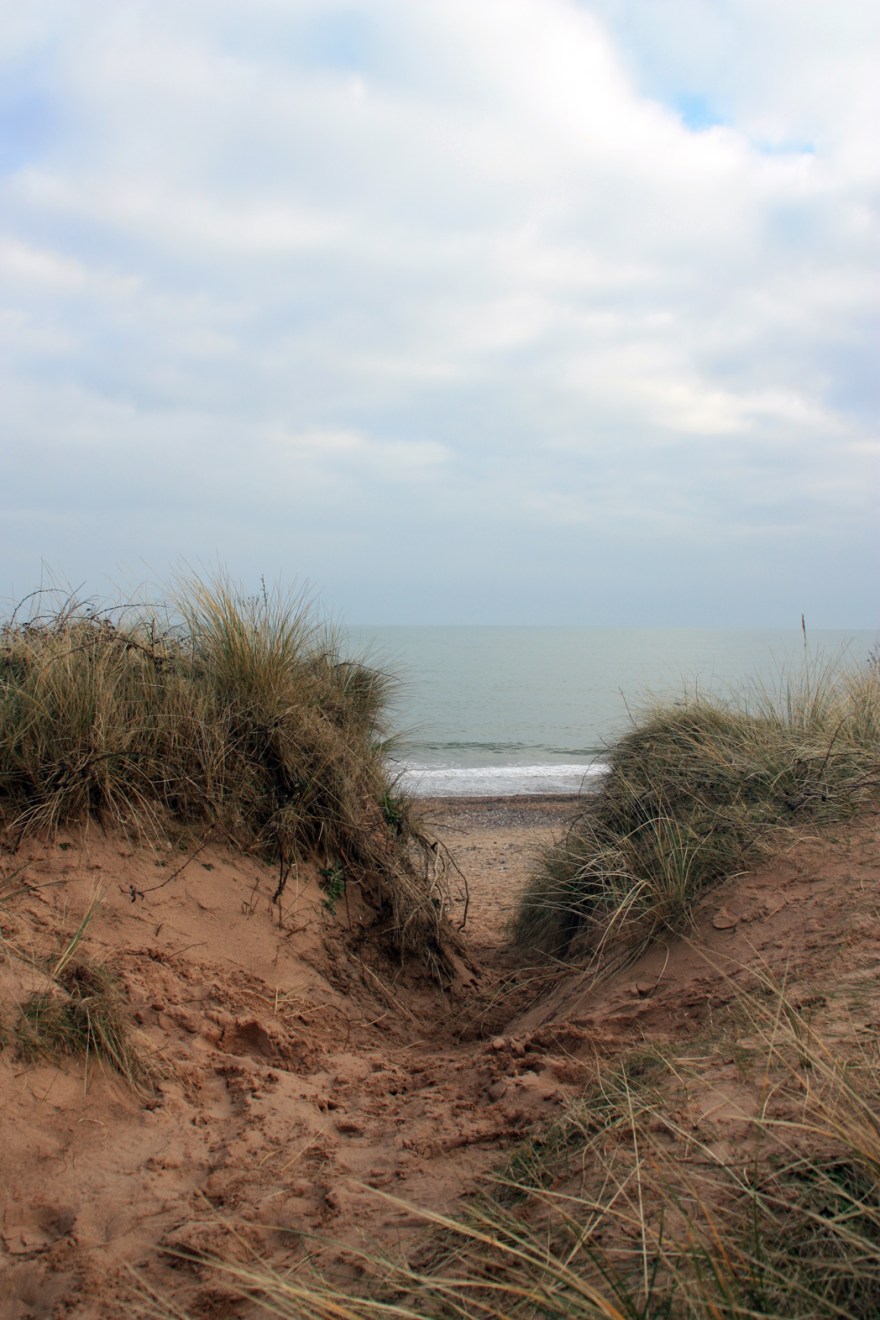
dw7

dw8Before striding on eastwards towards the golf course and a view across the estuary to Exmouth.
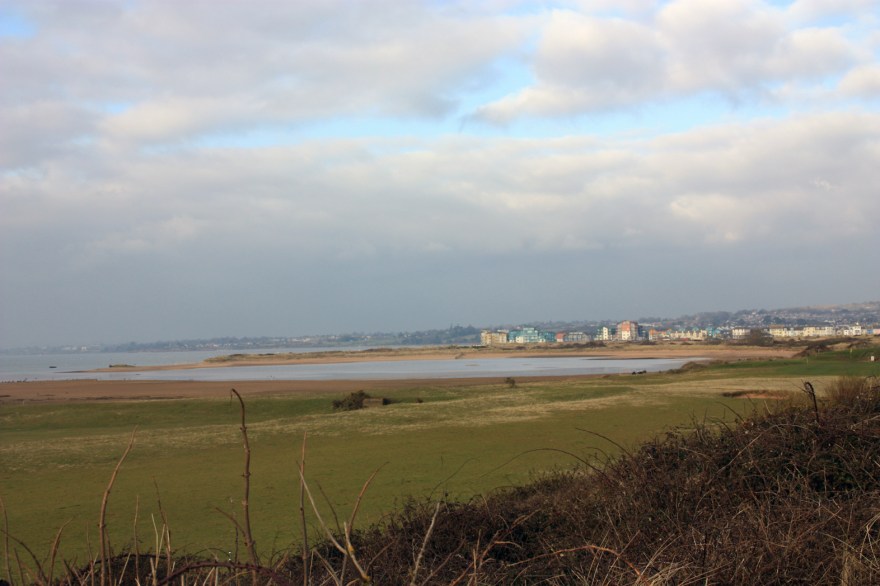
dw9So, I’m on the crest of the dunes surrounded by beauty
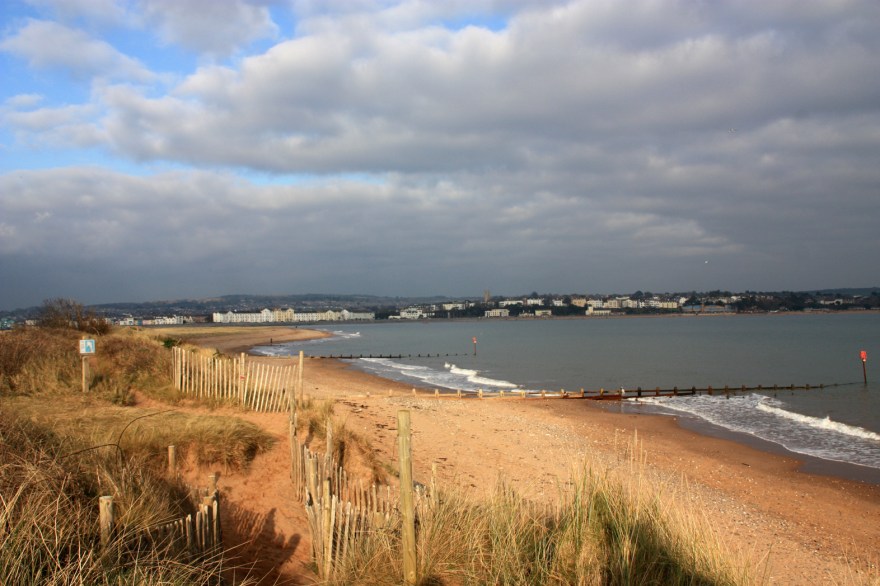
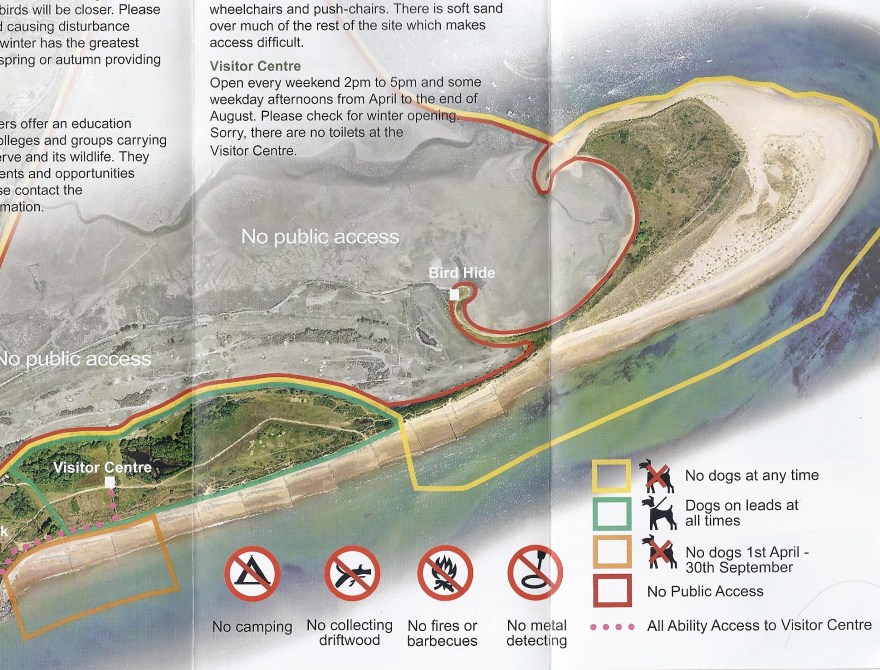
dw10Maybe this will help explain where I was
scan0001

The wide area at the top is the sand spit right opposite Exmouth, but I pretty much stayed on the red path.

There are thousand of wildfowl and wading birds, I saw Oyster catchers, Wigeon, Brent Geese, and others that I don’t know the names of. The visitor centre had recorded far more that week than I was able to see because the tide was low, even though I walked around the curve of the sand spit to the bird hide.

The wind was getting up and the light was changing, so I headed back before the rain came in. So walking west, the beach was on my left. The big old terrace houses at Exmouth were clearly visible behind me
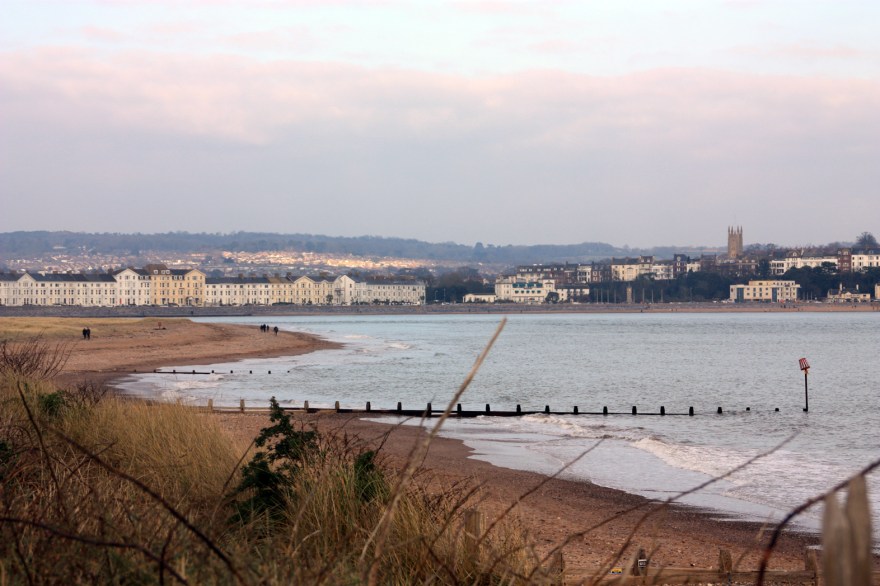
dw17and my path back to the car park

dw18

Looking inwards I could see the grassland again.

The Warren got its name because centuries ago, probably back to the middle ages, rabbits were raised there on a commercial scale, for both food and skin.
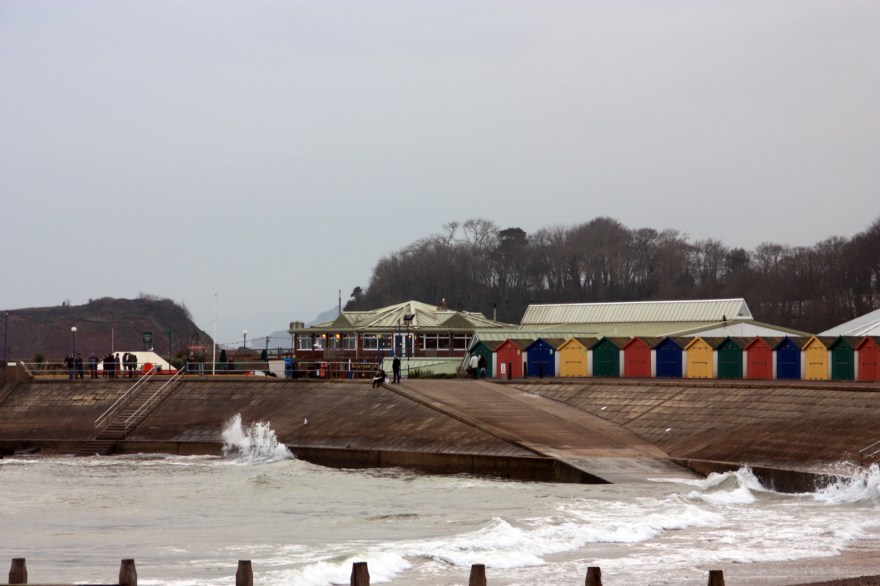
dw21

This is part of the holiday makers area, with amusements, cafes, a pub and several caravan parks nearby.The tide was right in, but there is sand under there! The bright beach huts are a fairly recent addition. In the 1970’s there were hundreds of traditional beach huts down here behind the beach.
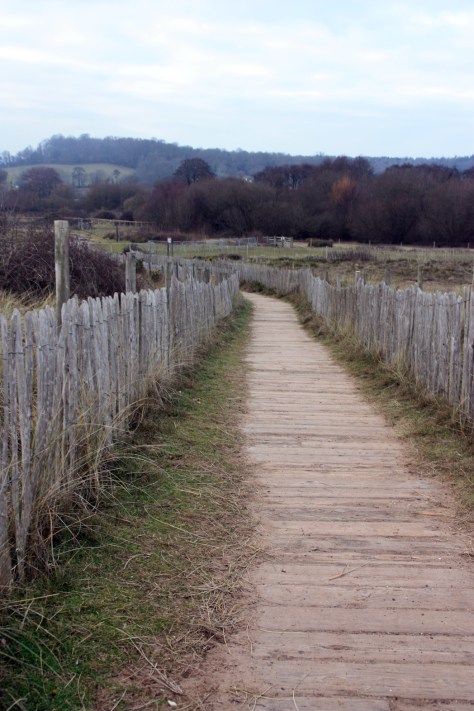
dw22

I can’t remember them though, I was an east of the Exe girl and still am, you know how much I love Exmouth!

I hope you enjoyed my walk. It’s either one day late or six days early for Jo’s Monday Walk  but I’m never on time!
A Carved Wooden Bench

Jude is running a monthly bench challenge and for March the topic is wooden benches. I found this one a few years ago at a cultural centre in Kuala Lumpur and it’s always stayed in my mind. It wasn’t particularly comfortable but it was very tactile!

wooden bench

Perhaps you have a wooden bench to share? If you’d like to join in visit Jude at
https://smallbluegreenwords.wordpress.com/bench-series/

Trekking with a reward

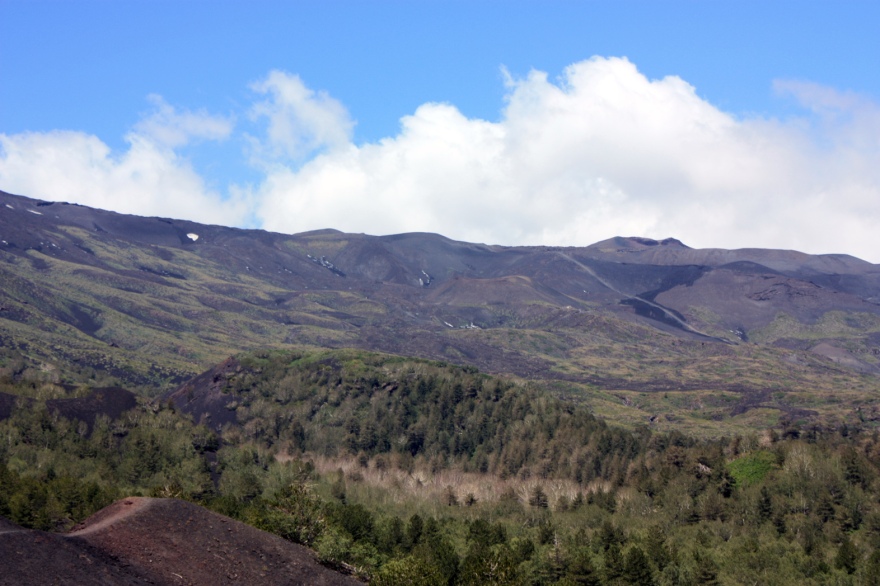
Parco Dell’Etna in the north east of Sicily is a dynamic landscape. When I visited in 2013, there were nineteen eruptions, hence climbing up to the crater was prohibited. Etna, Europe’s highest volcano is 3323 metres high and also the most active. We spent a day driving around the national park, but soon realised that the best way to see it was with a guide, so we shared a 4 wheel drive with two other travellers.
We set off from Monte Sartorius, on a 5 kilometre trail to 2000 metres. A bright sunny day but getting cooler the higher we went.

This stuff isn't the easiest to walk on
This stuff isn’t the easiest to walk on
etna5
This tree was damaged by an eruption


Getting higher . . .

But not as high as them yet

Some of the lava has very sharp edges, some gives way under your feet, concentration is necessary!
etna1
This path felt rather precarious, narrow, no grip and a steep drop.

The view was getting better
Until . . .
Until . . .
etna10
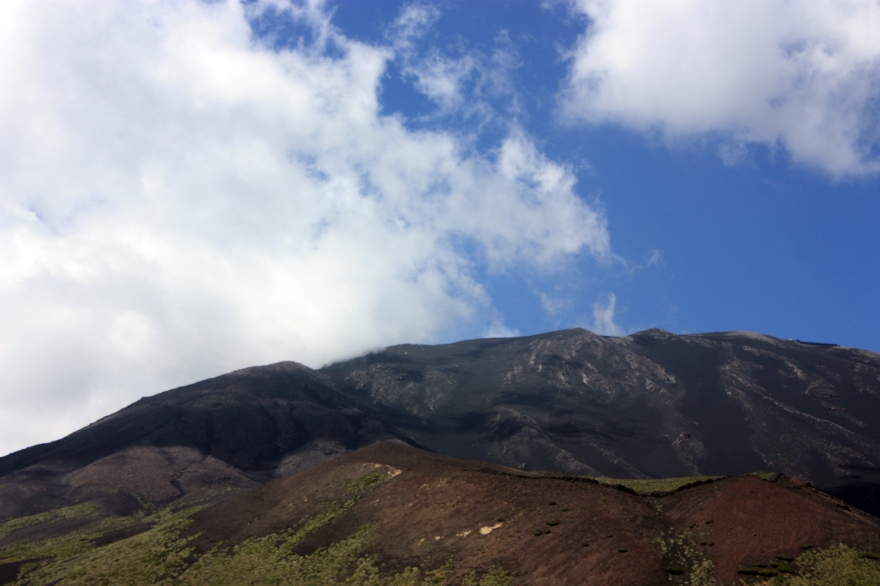
At last we reach our highest point with Mount Etna in front of us

Looking back down towards the valley

Down below the tree line
And way across to the Alcantara mountain range

This was a two to three hour walk, steep in some places but not particularly challenging. It was a bit of a knee killer though and I could feel that I’d done something the next day, the reward outweighed the pain though!