Dorset Buttoned Up

Whenever I go to Bridport Art’s Centre for a craft fair, I meet a lovely lady called Marcia, she makes buttons, Dorset buttons. Here she is concentrating on the tiny stitches.

db1Marcia has been making Dorset buttons for about 8 years, but the craft, known as ‘Buttony’ began in 1669, in a small Shaftesbury workshop, belonging to Abraham Case. The buttons with names like High Tops, and Dorset Knob became the most popular ones in England in the 17th and 18th centuries, spreading to Europe and even to the colonies. I’d be interested to know if anyone in Australia, Canada or the United States have ever come across them, Ruth perhaps?

As demand for buttons increased, so the cottage industry grew, with many farm working families finding that they could earn more money, without the drudge of hard labour on the land.

In 1851, at the Great Exhibition, the Button making machine was introduced. This struck a fatal blow to the workers, some chose to emigrate to the colonies, those that remained suffered dreadful hardship.

The skills of Buttony have not been lost, they are still being skilfully and artfully made by people like Marcia. She makes the Blandford Cartwheel design among others, and has brought their beauty into the 21st century, making them into lovely bracelets, earrings, brooches and cuff-links. She’s also created an ammonite shape alongside the usual round. Here is some of her work.

And what could be nicer than a bold cartwheel brooch adorning a beret?

db3

Marcia says, ‘As a farmer’s daughter myself, the realisation of what these peoples must have suffered, is my inspiration to be part of a growing interest in bringing this beautiful craft to the attention of the modern world.’

Thank you Marcia for your enthusiasm about Buttony and your lovely company!


Traces of the past

It’s Traces of the Past at Paula’s black and white Sunday this week, so I thought I’d bring this old weaving loom. I believe it’s from the early 1960’s.
totp189
It can be seen at Coldharbour Mill, in Devon.

The Weavers Song
The loom goes click and the loom goes clack
The shuttle flies forward and the shuttle flies back
The weaver’s so bent that he’s like to crack
Such a wearisome trade is the weaver’s

Now that it’s made into cloth at last
The ends of work they all make quite fast
The weaver’s labours for now have passed
Such a wearisome trade is the weavers.

Anon, circa the Industrial Revolution.

The Palau de la Musica Catalana

Architect Domenech Montaner’s stunning concert hall in Barcelona marks the zenith of the Modernista movement in the city. He called it his ‘Garden of Music’, and it is a joy to behold. As soon as you arrive you can tell you’re in for a treat.

When you turn from the narrow street, there’s a new entrance.

With the Good Conductor waiting to take charge.

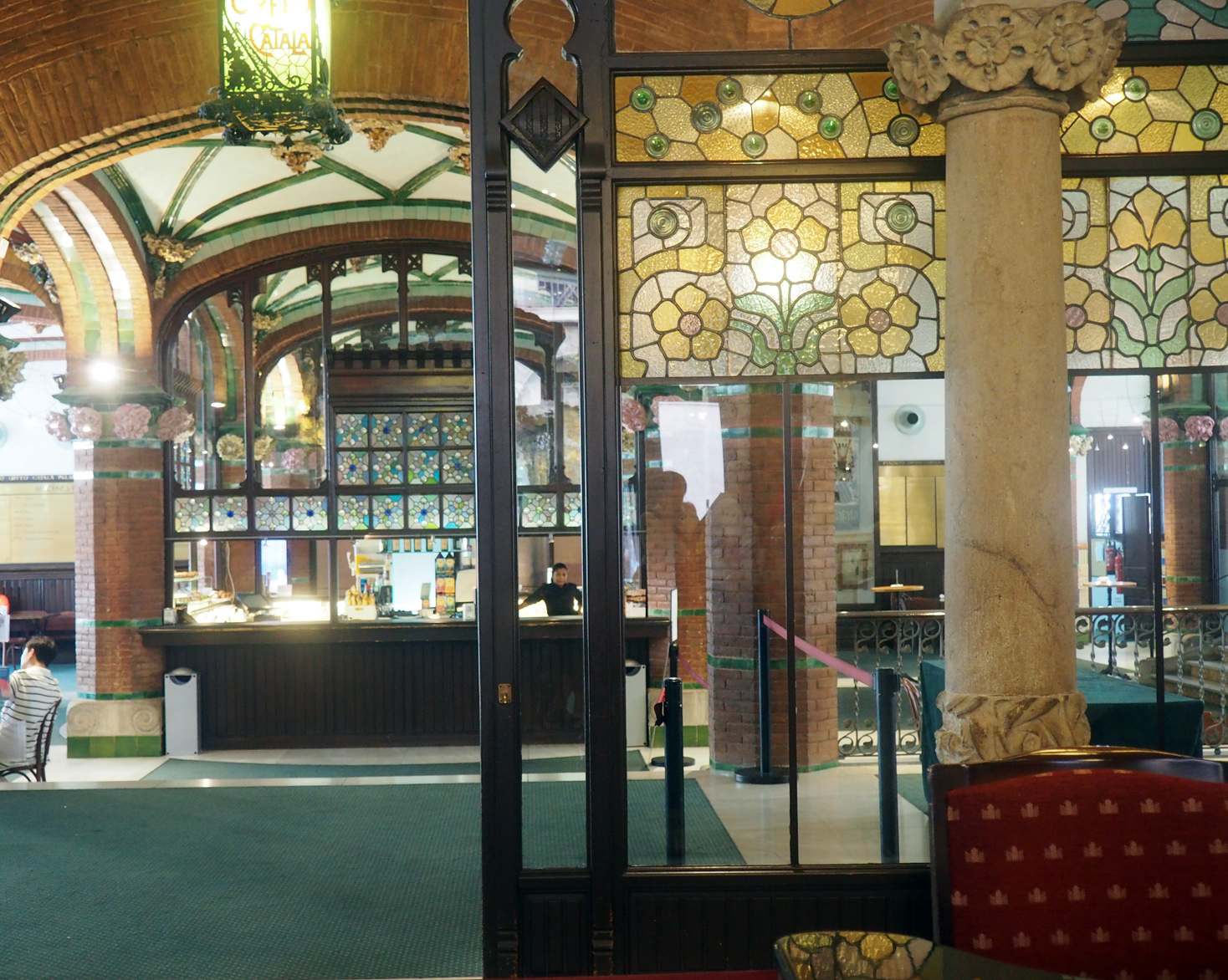
Just inside there’s a rather elegant bar. On a guided tour we learn that a church beside the Palau was pulled down and the new entrance created, with a small auditorium. Then we get the first dazzling glimpse.


A dynamic representation of Wagner’s Ride of the Valkyries flies high above our heads.

It’s hard to know which way to look!

But Pegasus is also in flight.

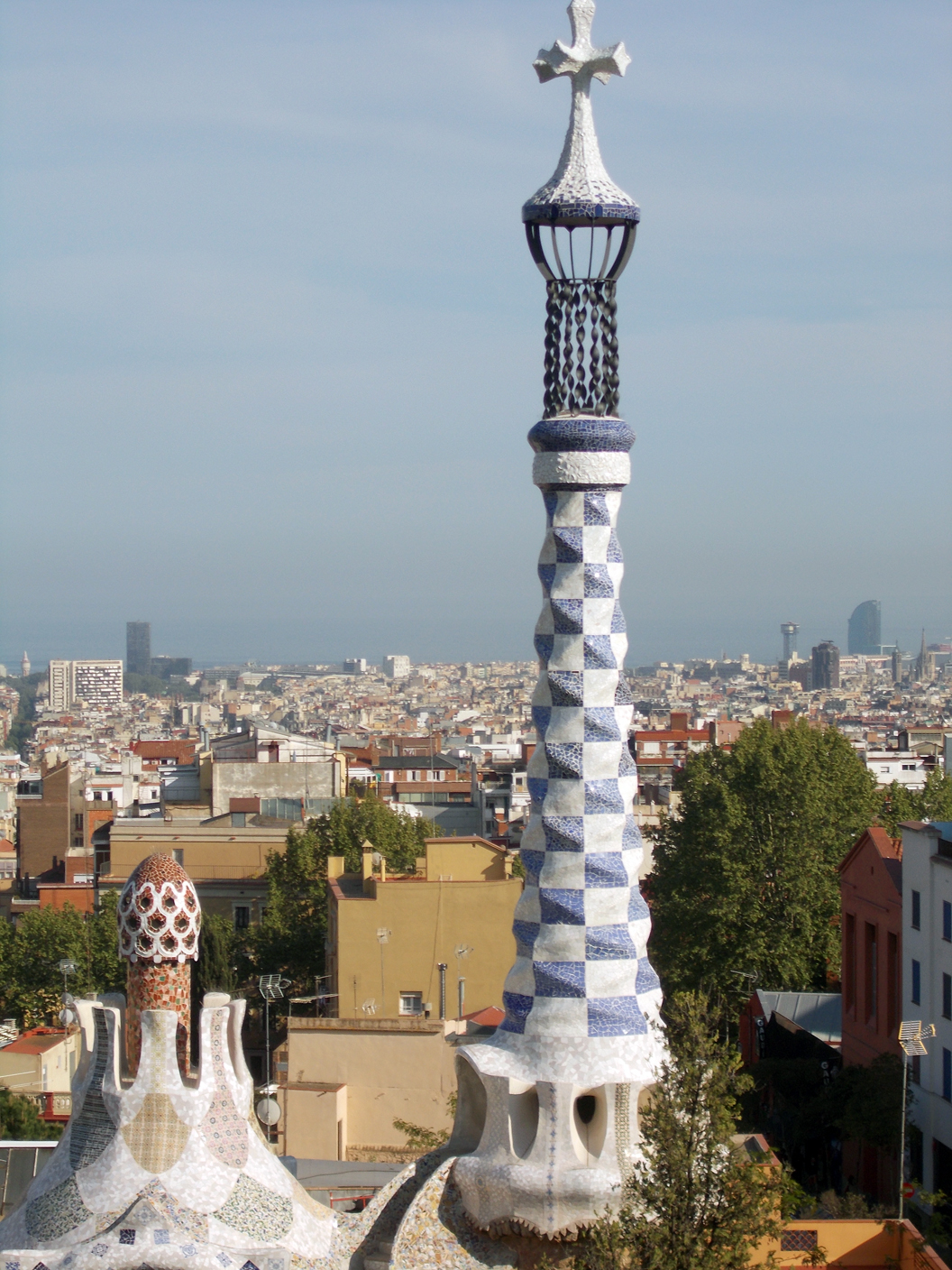
While on the balcony I have to wait to photograph a row of mosaic pillars where too many people had the same idea.

Then we go back inside on the top floor to see what we’ve really been waiting for.

Montaner’s vision was to blur the boundaries between interior and exterior, creating light that would change throughout the day.

You should be able to click on the image to get a closer view. It’s a kind of inverted dome, a stained glass orb skylight, totally entrancing. The tour finished with a short performance of Bach’s Toccata and Fugue, I can’t think of anywhere better to hear it.

This post is for Jo who’s been to the Palau and hopefully will like this little reminder, and for Jude who may like to go there sometime in the future.

I’m sorry, I’m way behind and owe many of you messages! 

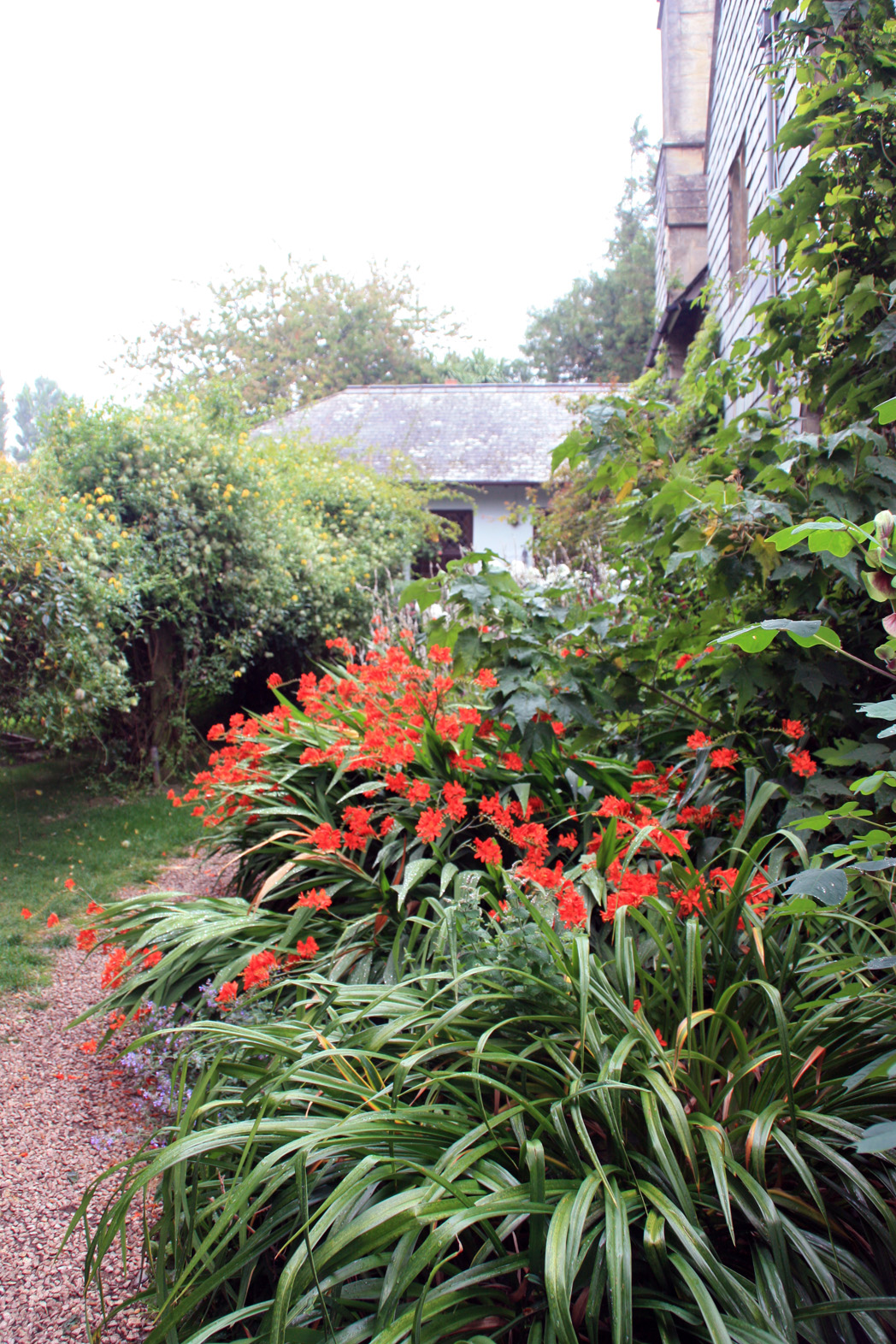
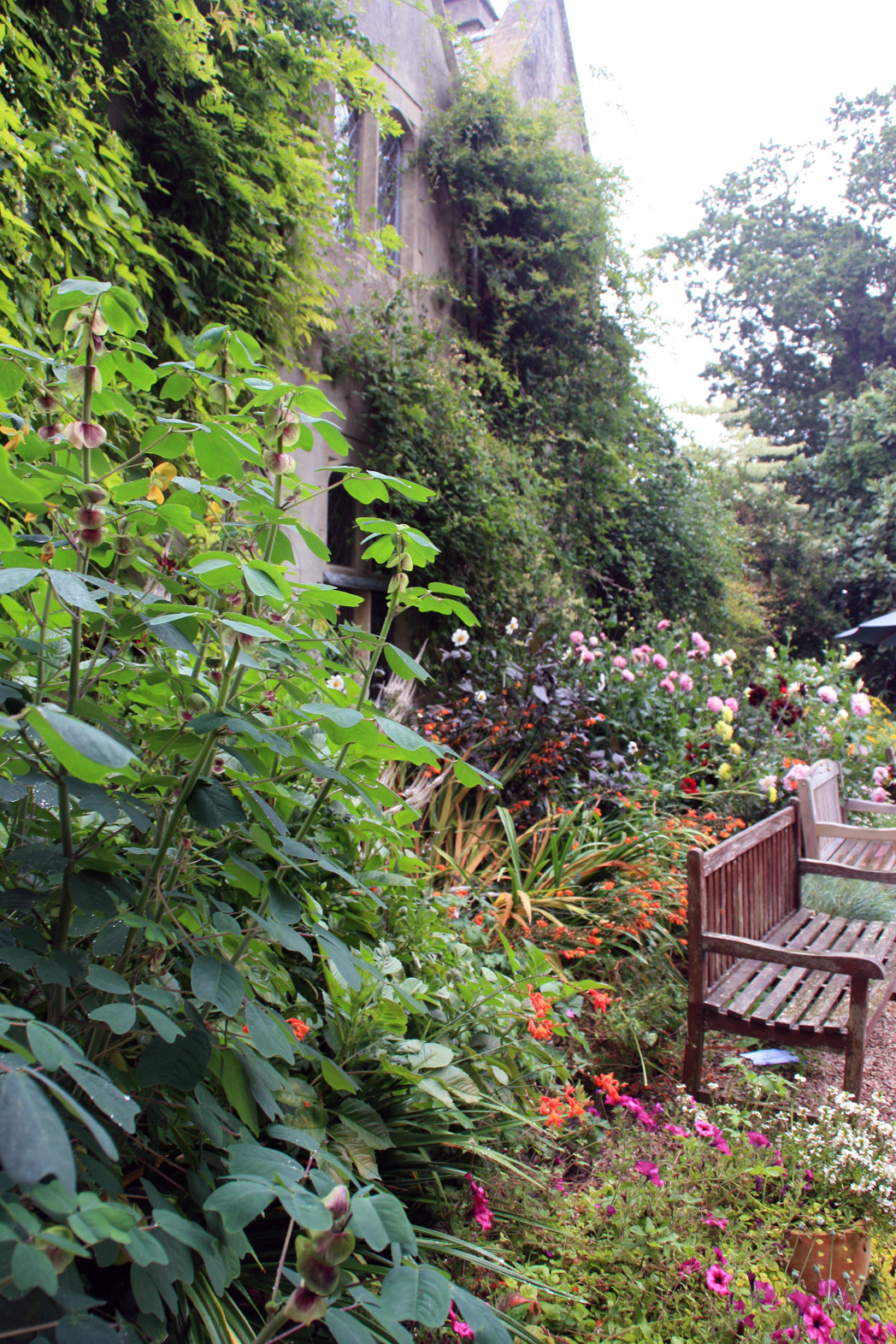
Does this look like . . .

your kind of garden?

hh2Hill House is a small, independent nursery at Landscove, Devon. Driving the last three miles to get there isn’t everyone’s cup of tea, it’s a single track lane with pull-ins in case you’re unlucky and meet a tractor. if you’re the passenger and don’t have to concentrate on the road, the views are spectacular. The road from the Devon Expressway takes you up Love Lane, Whistley Hill, Chuley Hill and Cabbage Hill!

hh3Hill House is really worth the drive, it’s the prettiest place, with unusual plants, very friendly people and the best cakes, all made on the premises.  hh4They don’t mind you wandering around the garden,

hh1On a sunny day it’s a peaceful spot for lunch, cream tea (cream first, then jam of course) or some of that cake. hh5The borders are densely planted, if you fall for something, you may find it in the nursery. hh6There are narrow paths that open up to little surprises.

hh7One of the paths leads to St Michael’s church.

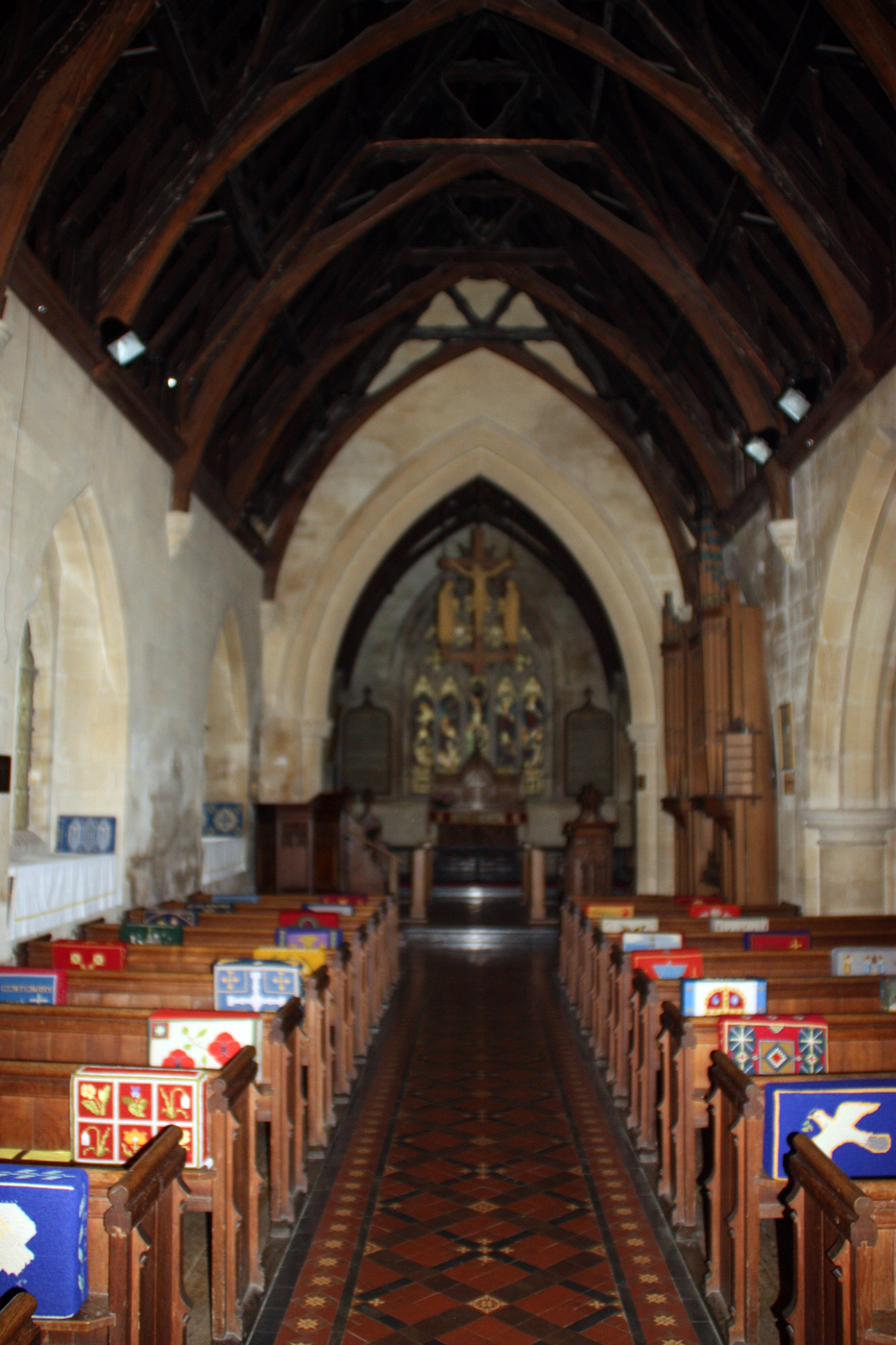
hh8Which has a Victorian broached spire and is very pretty inside

hh9and has a Grade 11 listed, slate -roofed, buttressed lychgate.

hh10Back to the garden,

hh11For a last look down another path.

I’ll show you the nursery soon, I think you’ll love all the reclaimed items it has.


This is a scheduled post, be back soon.

September: Flower Portrait

Jude asks for a single picture of either a favourite flower or an unusual one for September’s challenge. As I failed miserably to find an entry last month, I was determined to make it this time. So yesterday, I had a flying visit to Killerton to see what was on offer in their late summer border.
I’ve never been a particular fan of Canna Lily’s, but at this time of year they make a bright, bold statement in the border. The delicate petals of this one, Canna Indica I believe, attracted my attention.

You can join Jude’s challenge here, and you have until the end of September to showcase a single flower.