Beer Beach

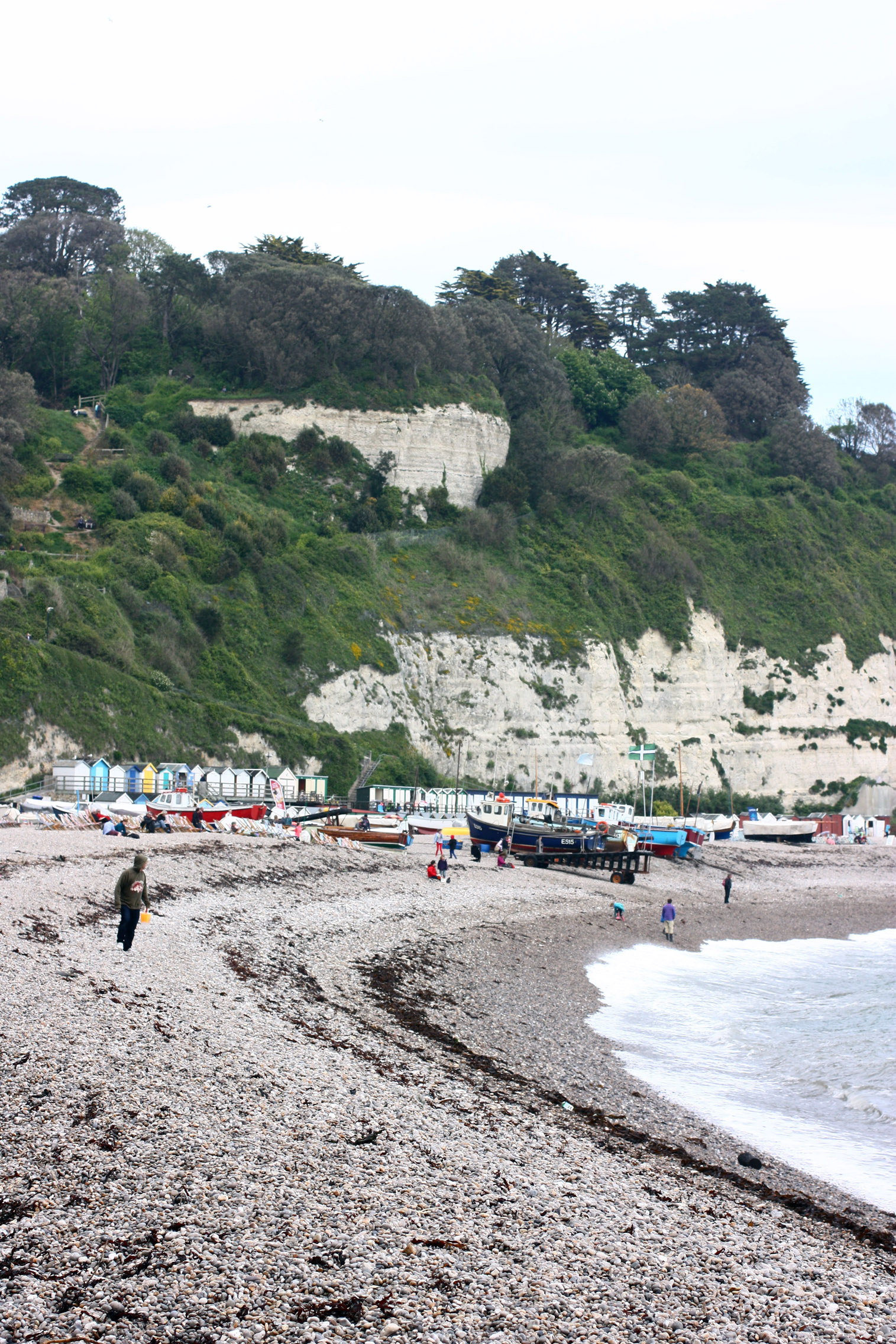
The craft fair season has begun and today I’ve been to a regular venue at Beer, in east Devon. It was a glorious spring day with a cool breeze coming off the sea, and lovely for  a stroll.
On the way to the beach


The Lively Lady on the pebbles


Looking east along the beach
Beach huts waiting for summer
Time for a sit down
Time for a sit down
Lobster pots
Lobster pots
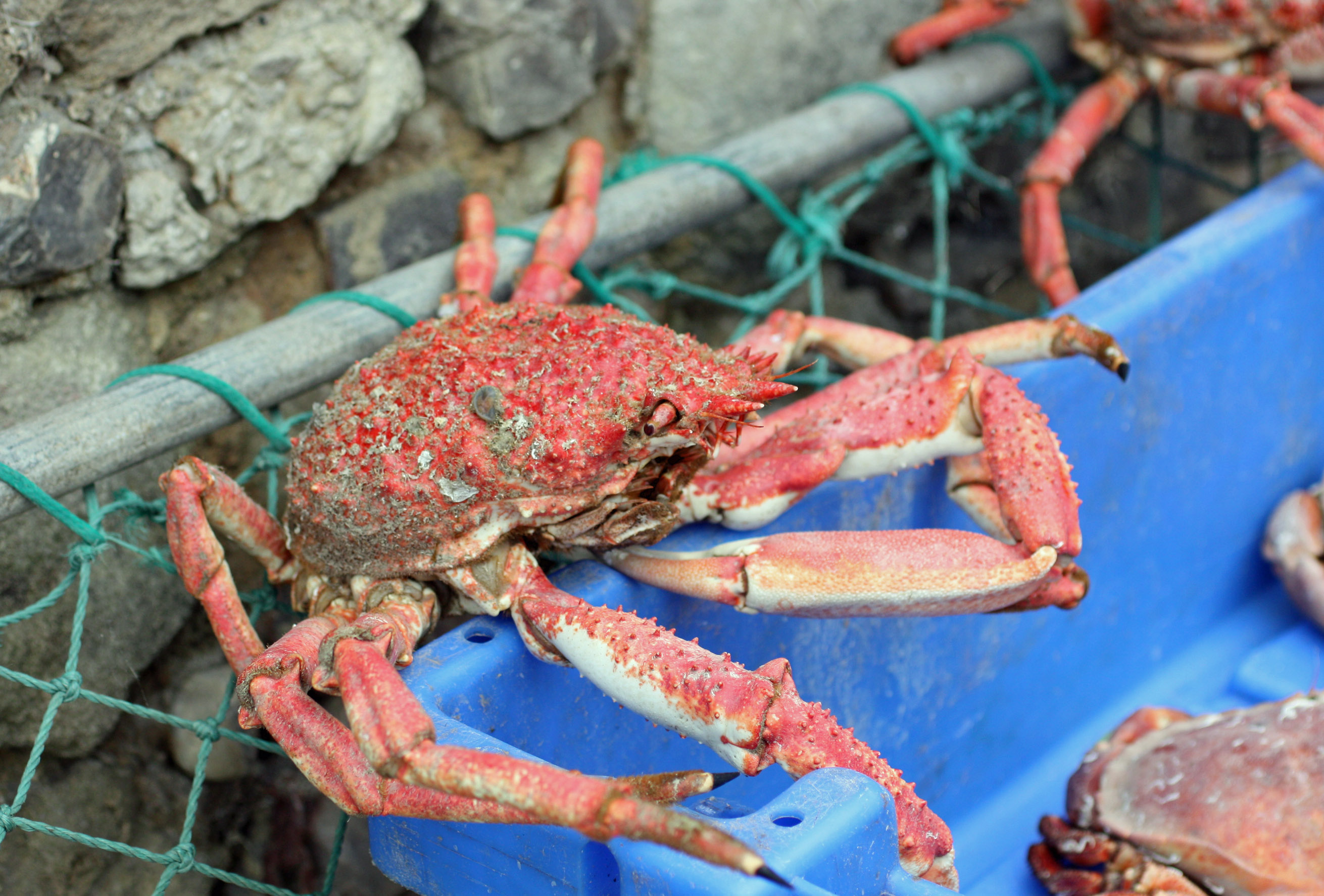
The fish shop on the beach is as fresh as you can get

Plants will always strive to grow in the most unlikely places, including high up on the cliff face at Beer, the bright yellow and purple ones are wild wallflower. I think the more delicate yellow are a type of wild cabbage and the paler mauve are a mallow variety.

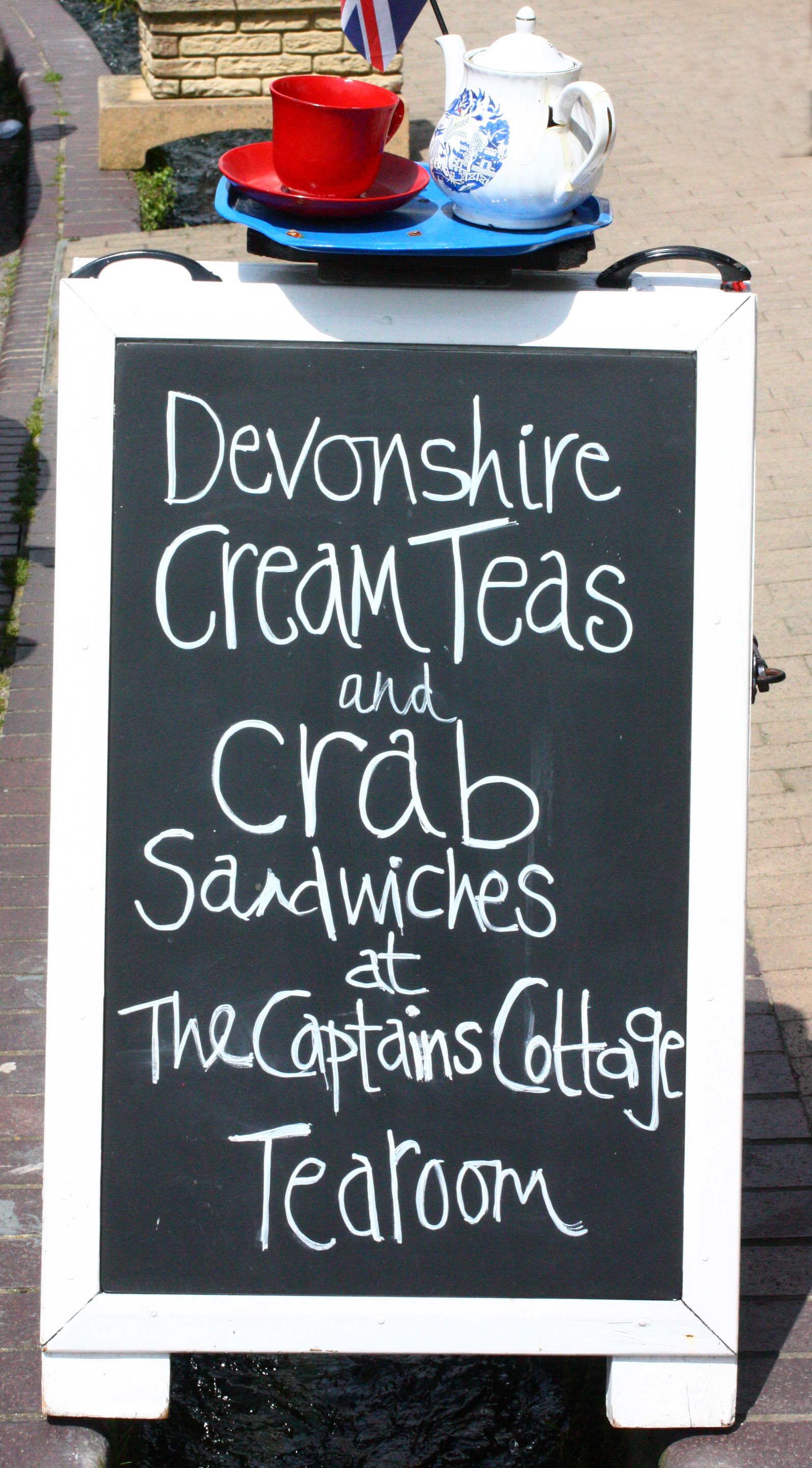
The beach at Beer is very special, unspoilt and traditional,  with ice cream and crab sandwiches, pebbles and driftwood and the opportunity to try your hand at mackerel fishing.

If ever you’re in Devon, pay Beer a visit, try a crab sandwich and then perhaps a  walk on the coast path to build up an appetite for cream tea!

Weekly Photo Challenge: Letters

Cheri Lucas Rowlands says

For this week’s challenge, share a photo with letters — no matter the alphabet. You can capture a neon sign, a sentence scribbled in an old phone booth, a random letter that’s seemingly out of place, or anything else. As you look through your lens, think about how your image might convey something bigger: a snapshot of how we communicate with one another, even if we don’t speak the same language.


Do you have letters to share? join in at http://dailypost.wordpress.com/dp_photo_challenge/letters/


A Garden by the River Dart

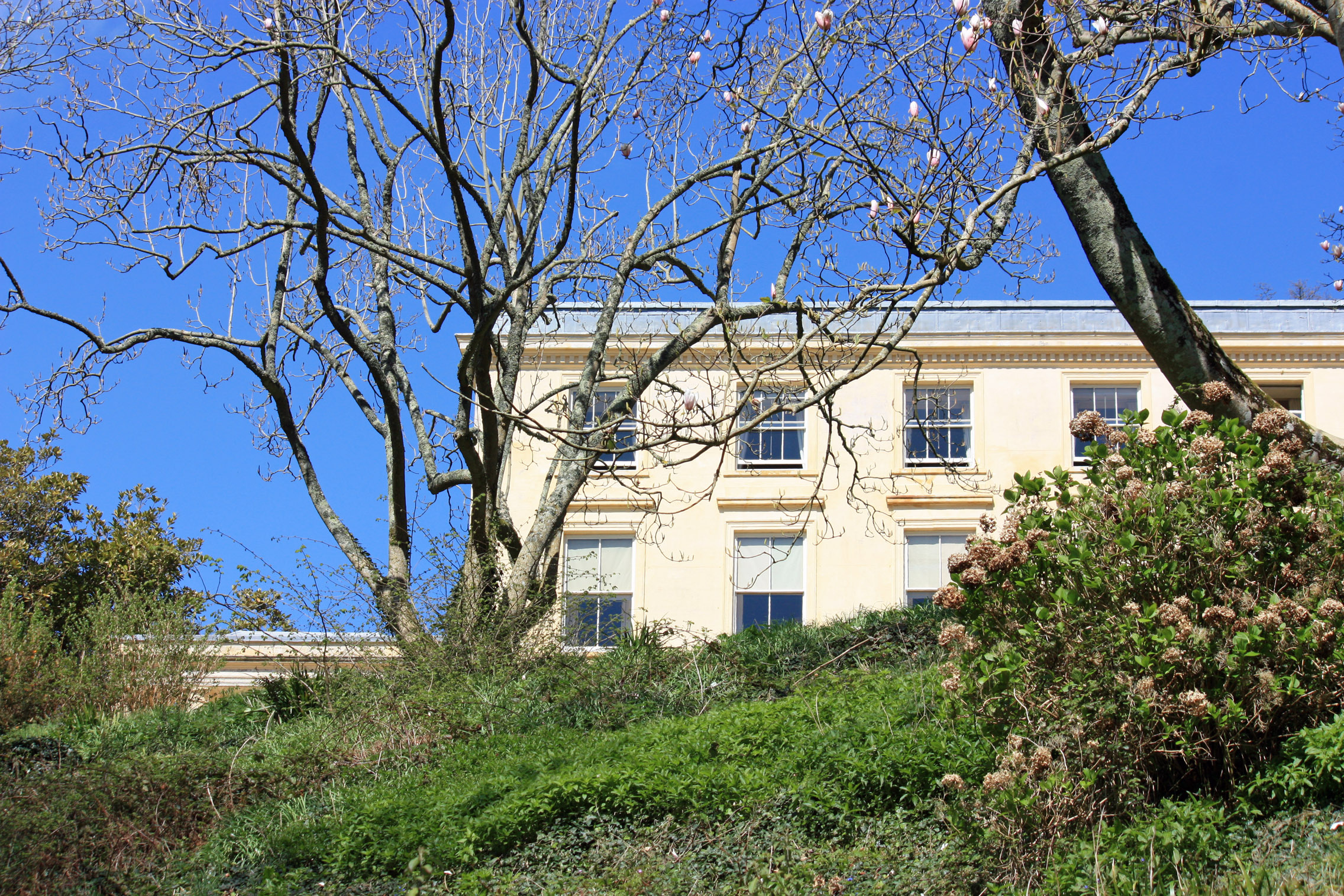
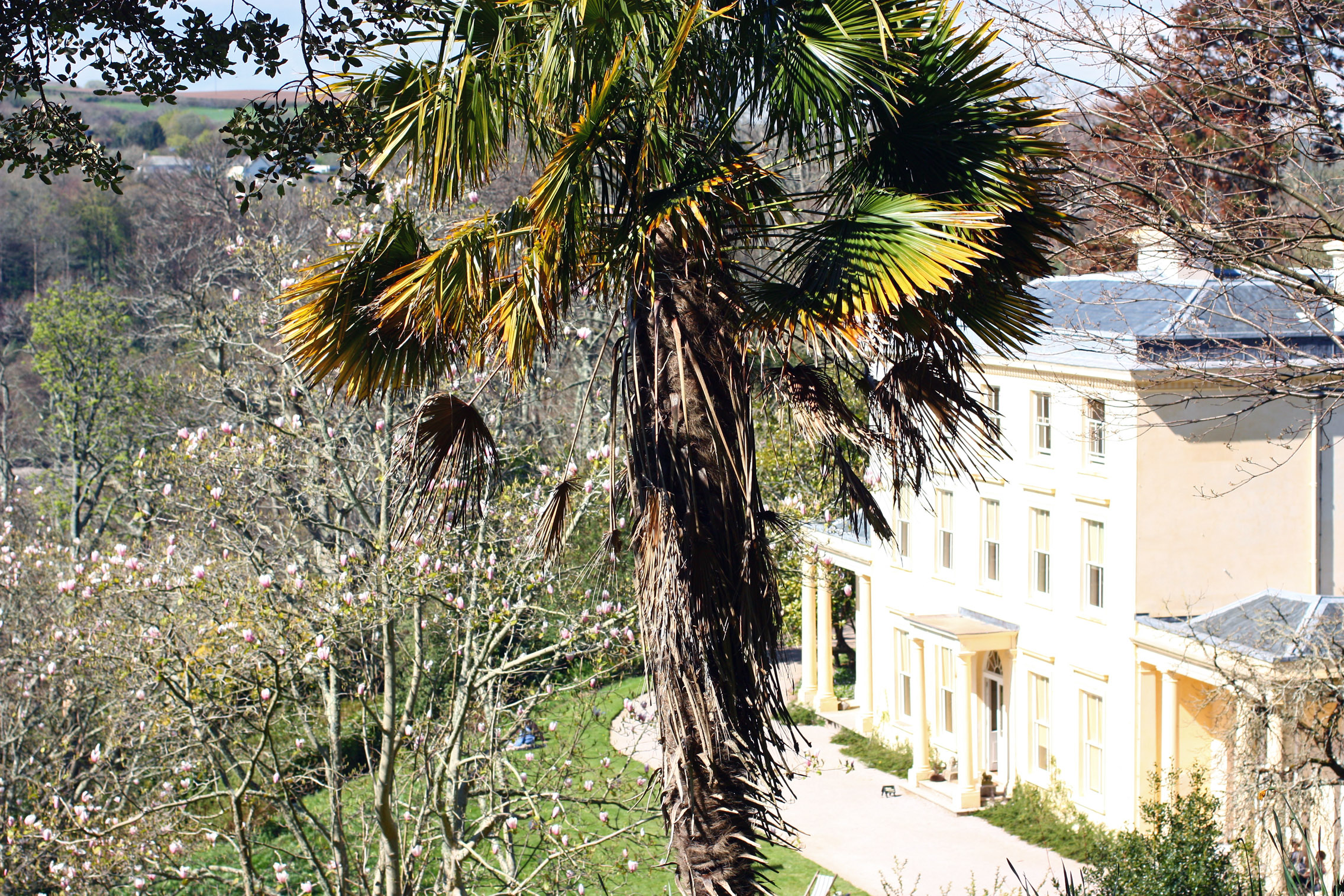
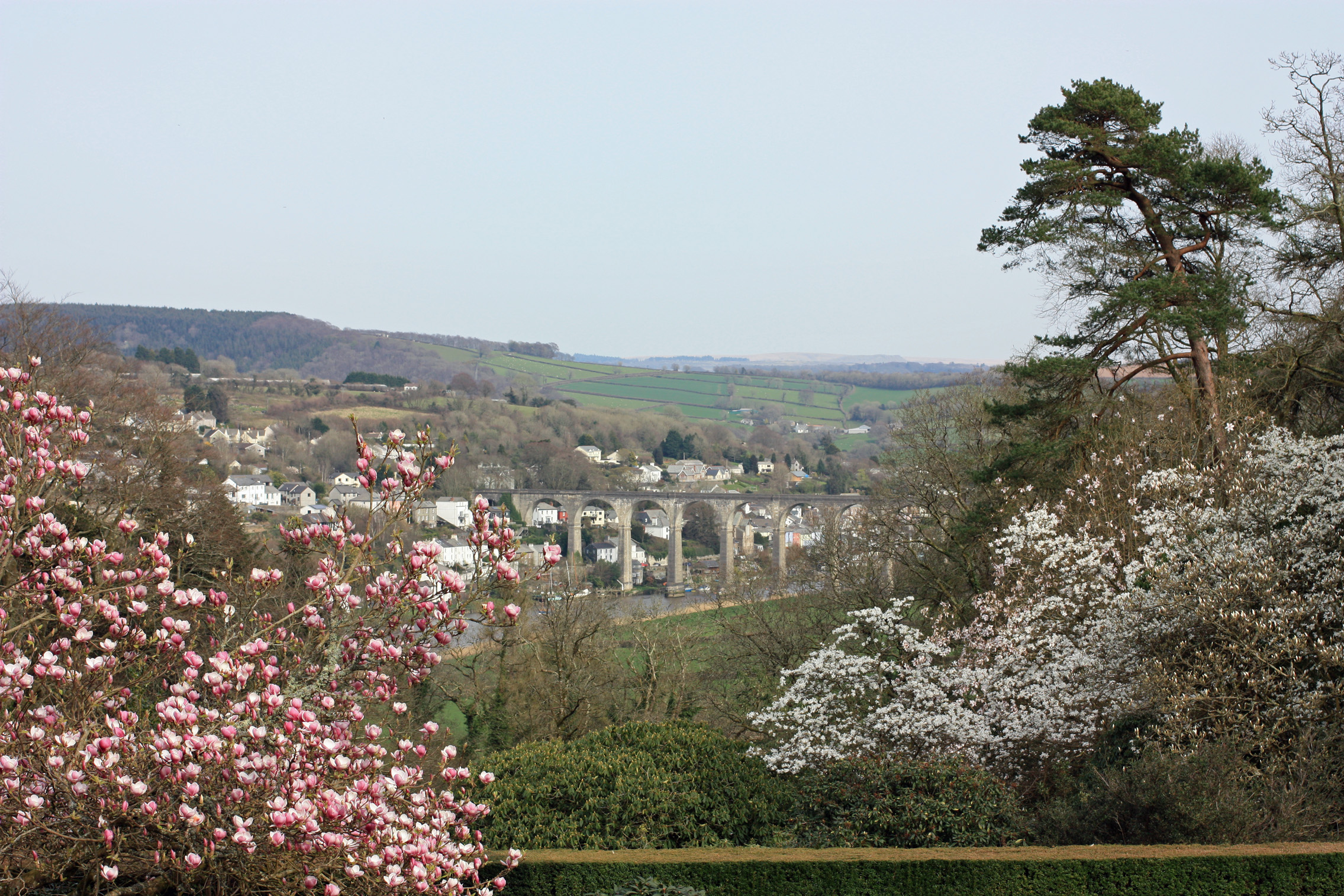
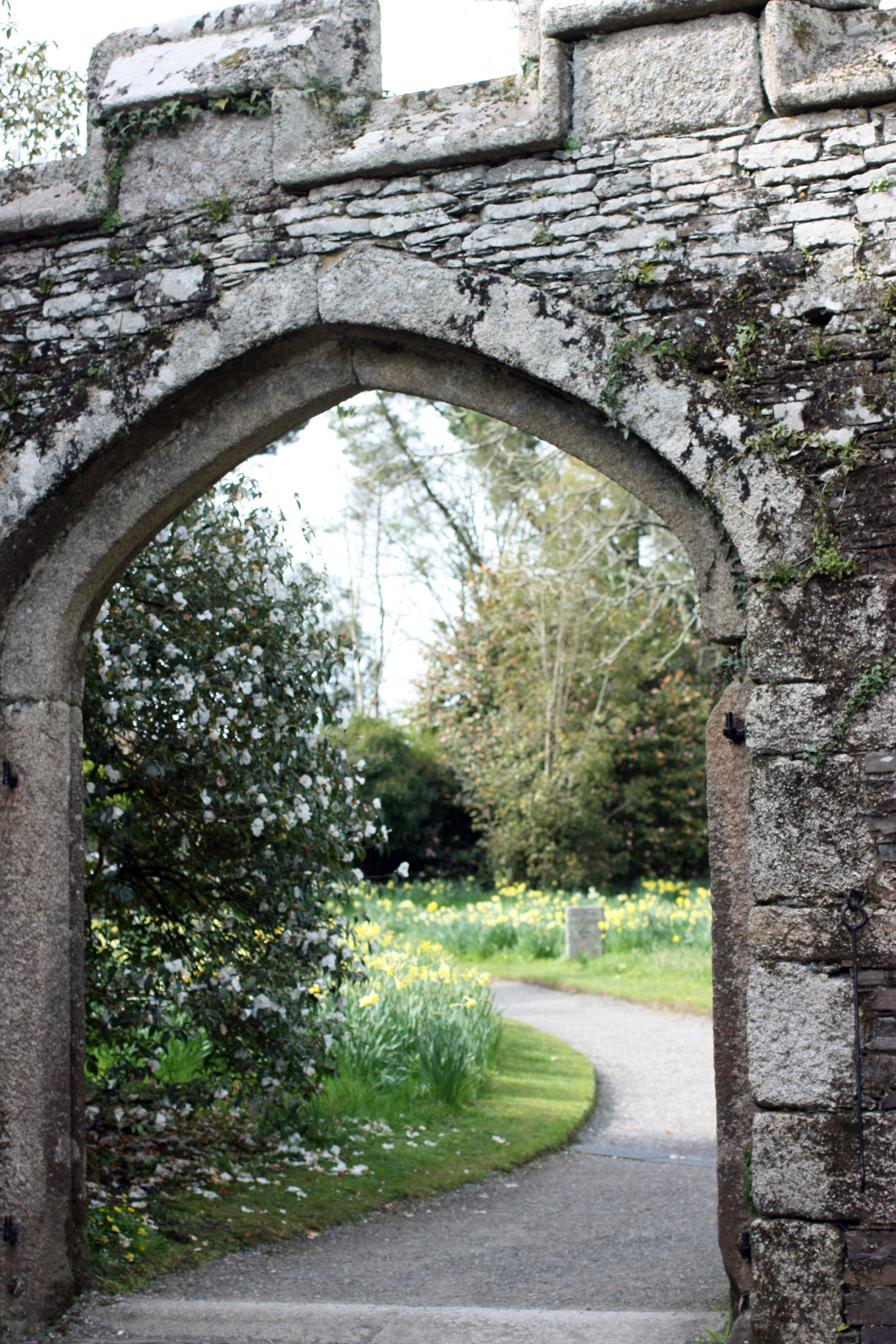
My last post from Greenway focuses on the garden. A lovely relaxing place, like most gardens it’s at it’s best in high summer but still plenty to see in April. Views of the river Dart are ever present and often make you stop and draw breathe.

Here are a few photos, click for a larger view and enjoy!

Agatha Christie, an American Connection

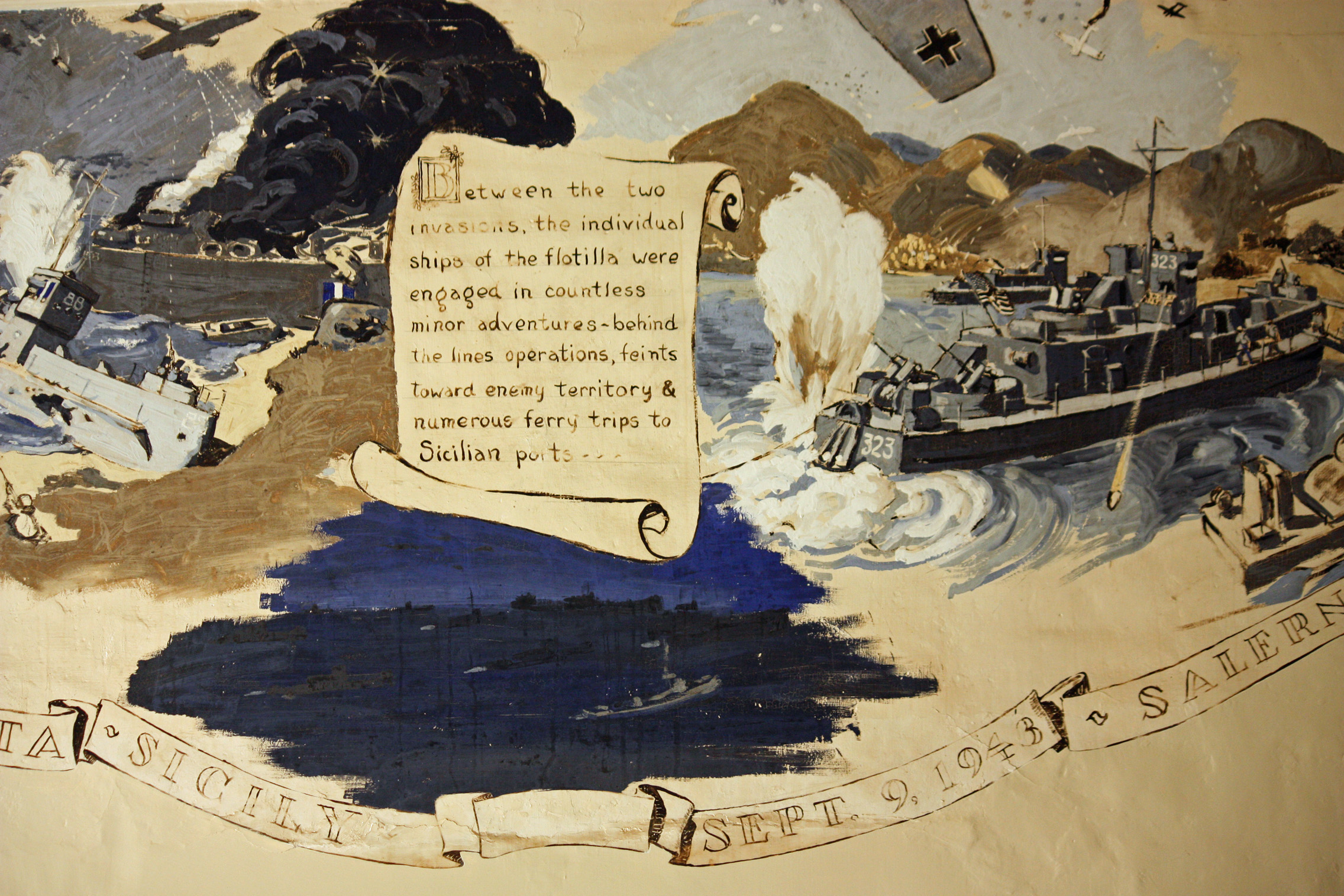
The volunteers at National Trust properties are a mine of information and very friendly. When I went into the library at Greenway I was immediately struck by a frieze/mural high on the walls, so I listened and joined in with another visitor asking the volunteer about it. Apparently the house was requisitioned by the army in WW2 and the painting was done by an American soldier.

a1

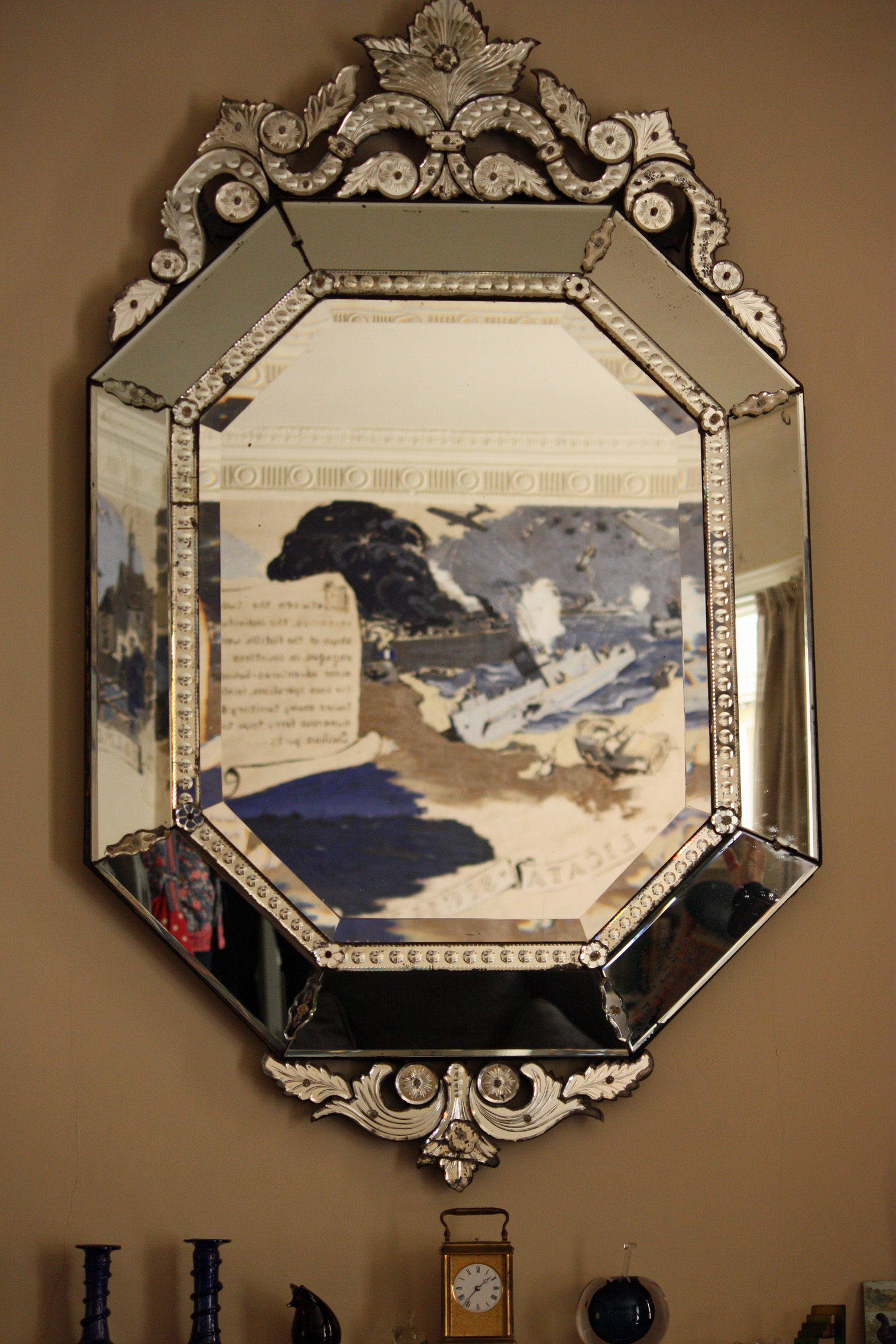
The mirror also has a tale behind it. There was a painting on the wall where it now hangs, of Churchill and Roosevelt together. When the war was over and the family were able to reclaim their home, they found the continuous gaze of the pair somewhat oppressive and painted over it!

a2

I’m sure the mural has been restored over the years, but I’d love to know who the soldier was and if he’s still around. Any ideas from my lovely American readers about how to find out?

An Agatha Christie Day

This weekend I have visited the home of Agatha Christie, Greenway in south Devon. Greenway is set on the banks of the river Dart with fabulous views to Dittisham and Dartmouth, just a few miles from her birthplace Torquay. Dame Agatha and her second husband Max

From the lower path
From the lower path

Mallowan bought the house in 1938 as a holiday home.

From the garden above

Here are a few pictures of the inside.

While we were in the library we listened to a recording of Agatha’s son saying that it was his favourite room in the house. I think it was mine too it was very homely and packed with collections from around the world.

I’ll show you more of the collections and the wonderful gardens in a separate post. Meanwhile some upstairs photos and the back door with  painting that I think is of Max.

related posts

https://lucidgypsy.wordpress.com/2012/11/09/agathas-greenway/

https://lucidgypsy.wordpress.com/2012/11/27/miss-christie-revisited/

Cotehele, views in the grounds

Cotehele has beautiful grounds, with broad vistas of the river Tamar – which forms the border between Devon and Cornwall, off in the distance. cote2

The house is built from grey granite, lovely in sunshine but perhaps a little foreboding on a grey winter day.

cote9
cote5

But there are always fresh sights opening up.
cote12
cote11
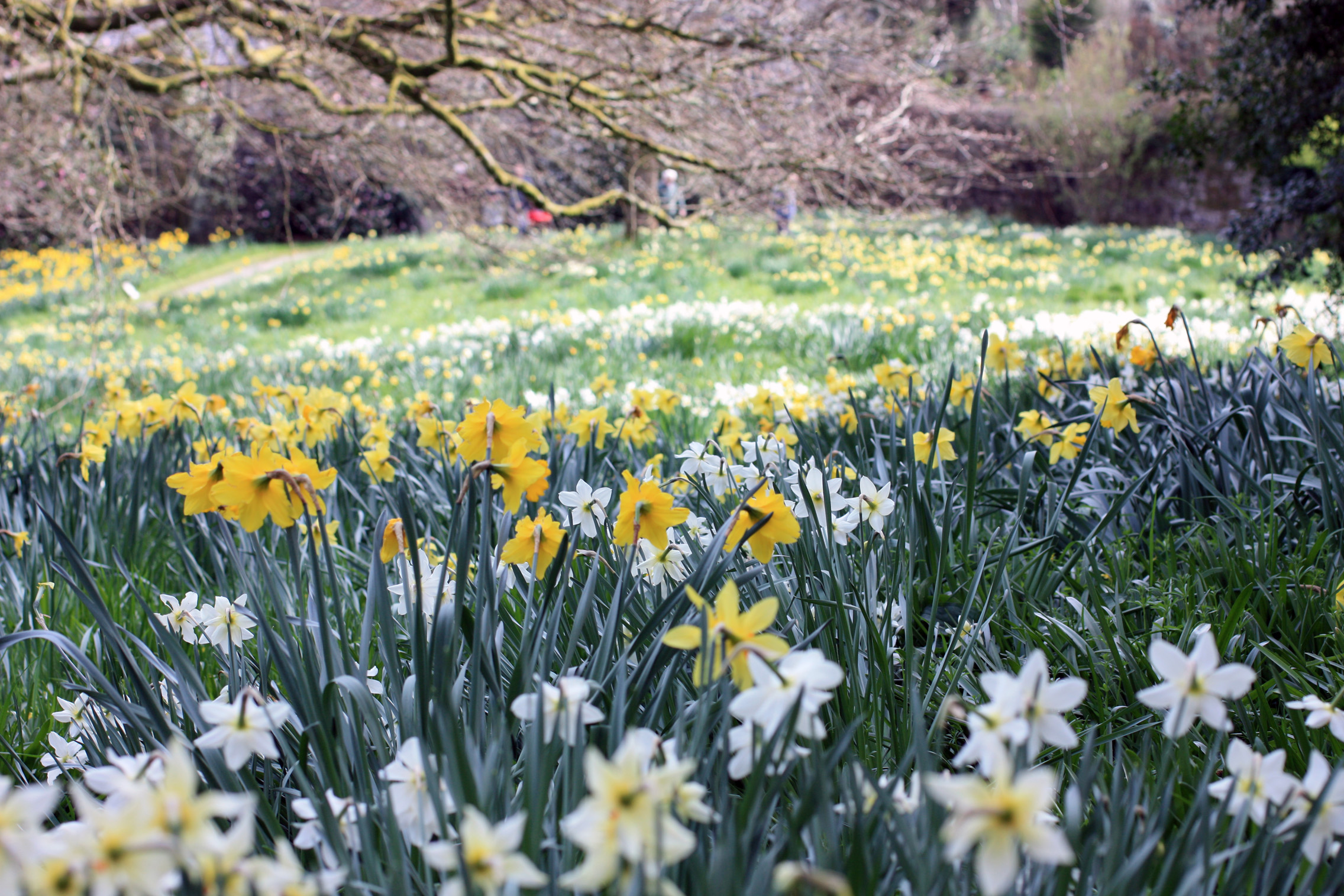
They have a large variety of daffodils, some very old with wonderful fragrance.
cote8
cote1
Plenty more spring flowers.
cote10
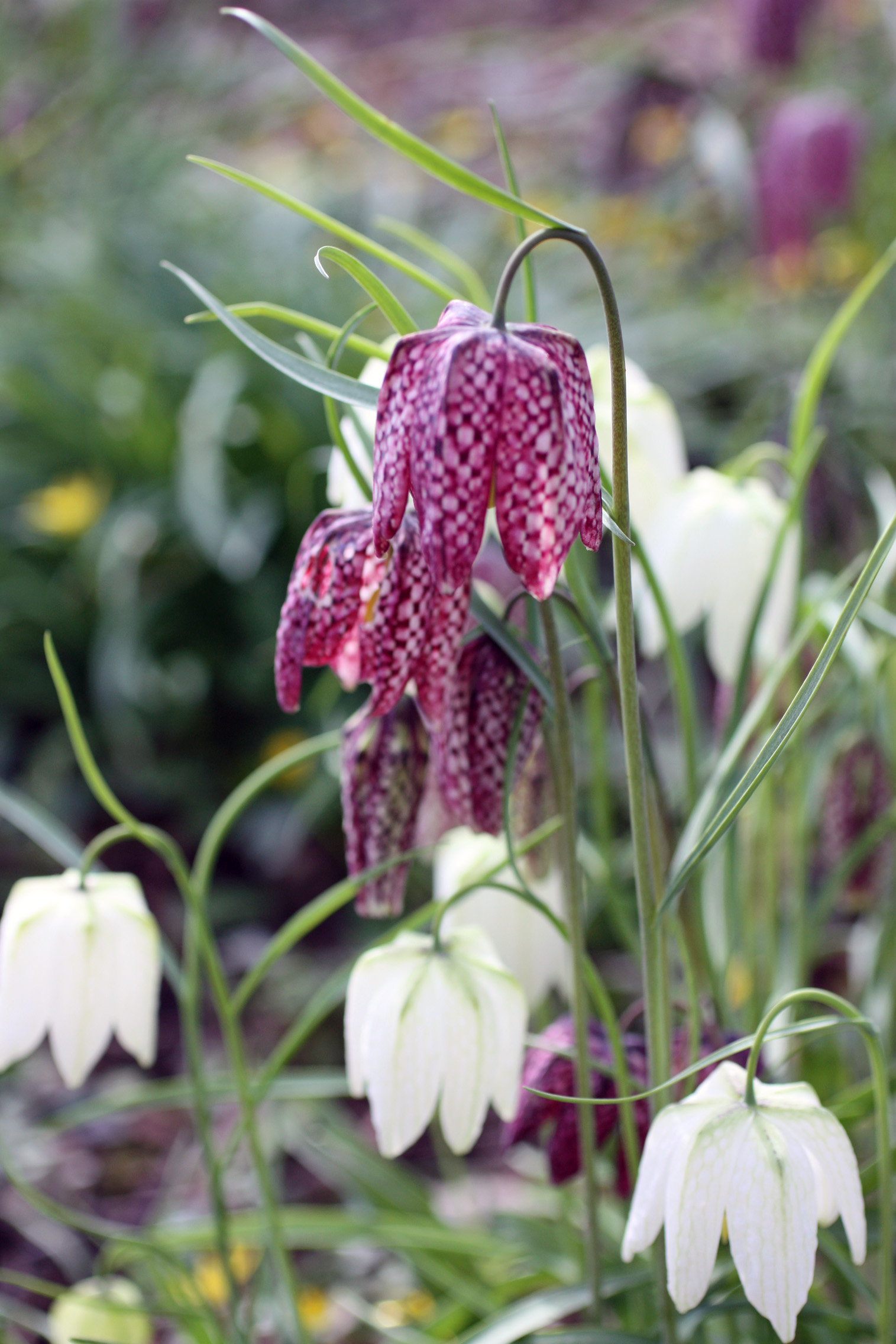
And I don’t know how many favourite flowers a girl is allowed, but these are some of mine.
cote7
cote6
cote4
cote3

I only had time to see a small part of the beautiful gardens at Cotehele, so I must go back later in the year. Perhaps then I’ll take a woodland walk to the river bank.
Click on any photo for a clearer view.

The Great Hall at Cotehele

Cotehele is a Tudor manor house built between 1485 and 1539, high above the banks of the river Tamar in Cornwall. It was owned by the same family- the Edgcumbes,for six hundred years and is one of the best preserved Medieval manors in the country. They rebuilt the original 13th century property, before creating an even grander home a few miles away at Mount Edgcumbe, so Cotehele was little used and hardly changed over the centuries. The house became National Trust property in 1947 in lieu of death duty.
Today I’m showing you some of the armoury to be fond in the Great Hall.

And some other items I liked.

I’ll be back in a few days with some more photos of the house and garden.

Looking Through the Squint

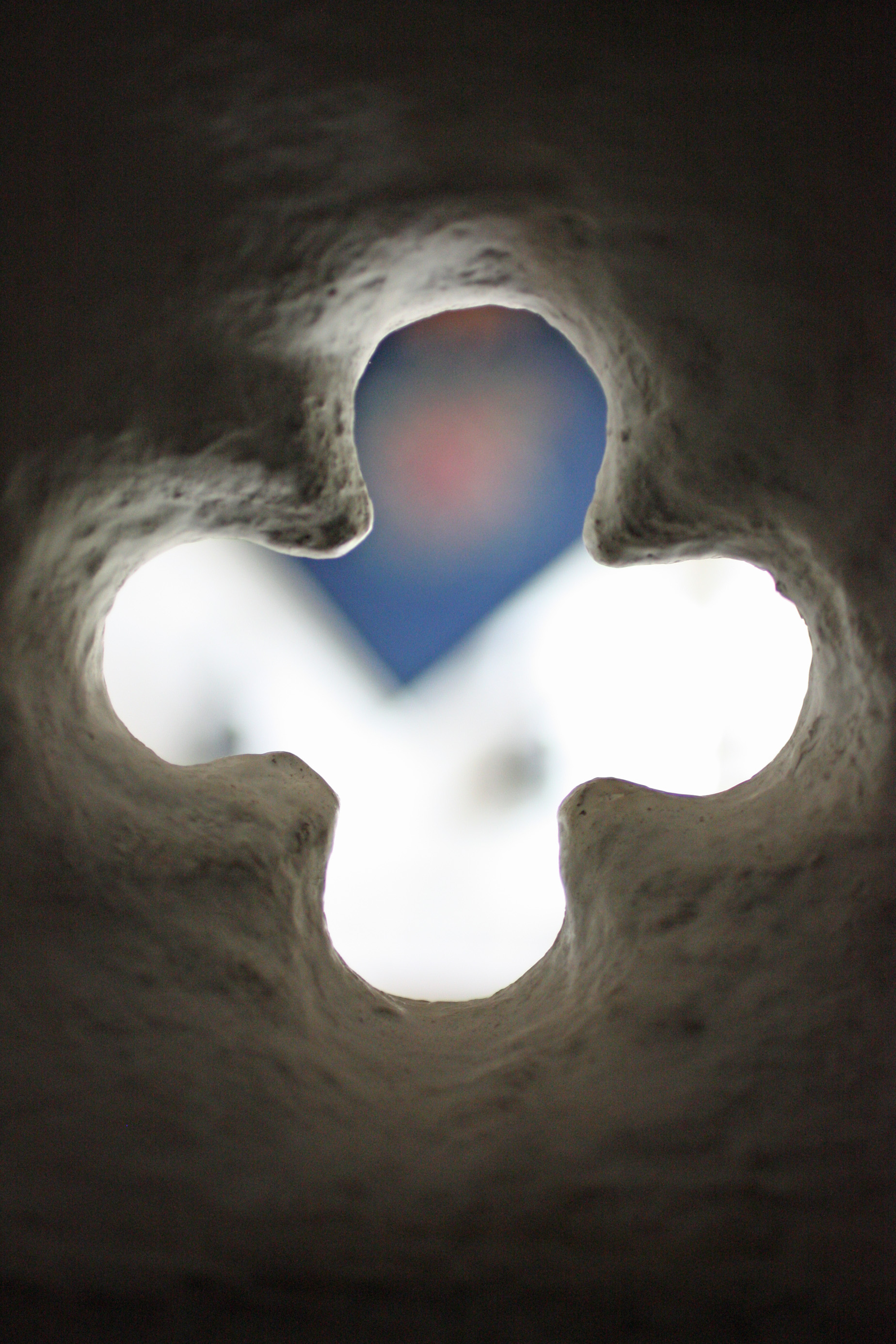
I’ve had a really lovely weekend, full of creativity and sunshine. Yesterday I went to a National Trust property just over the border in Kernow – Cornwall. They say that Cotehele probably originated around 1300 but most of the building took place in the late 15th century. I’ll post some more photos later but meanwhile here’s a little squint. A squint is a small peephole built into a wall, so that that owner could look down on other rooms to check what people were up to, they were often added in mediaeval times. At Cotehele this on looks down on the Great Hall.

sq1
sq2
sq3

The Bears Hut at Killerton

In 1808 Sir Thomas Acland built a rustic summerhouse for his wife Lydia in the grounds of their estate at Killerton. Two generations later, their grandson shipped a bear over from Canada and kept it as a pet. The summerhouse became the Bear’s Hut and has been known as that ever since. Now it’s the highlight of a visit for children, on Saturday I sheltered from a shower of rain, but I’d like to have a tea party there!