A Moorland Muse

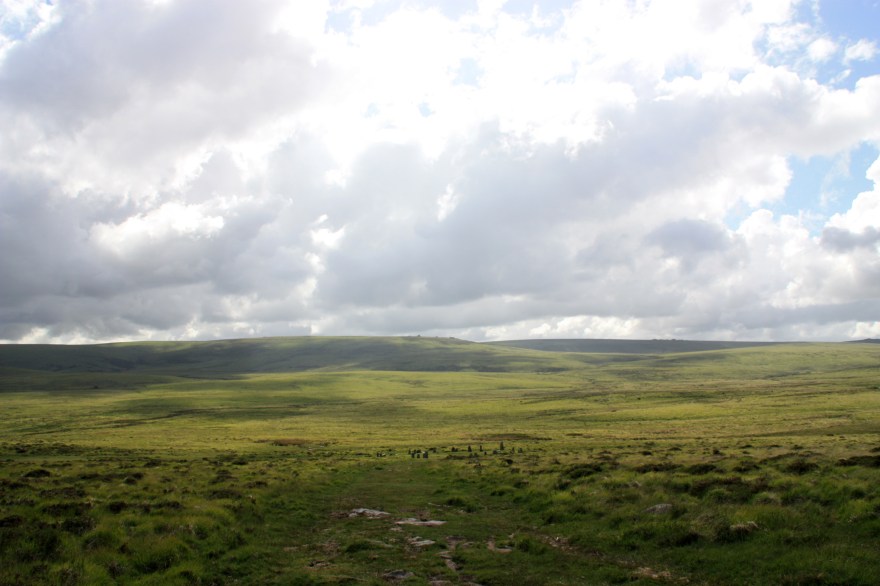
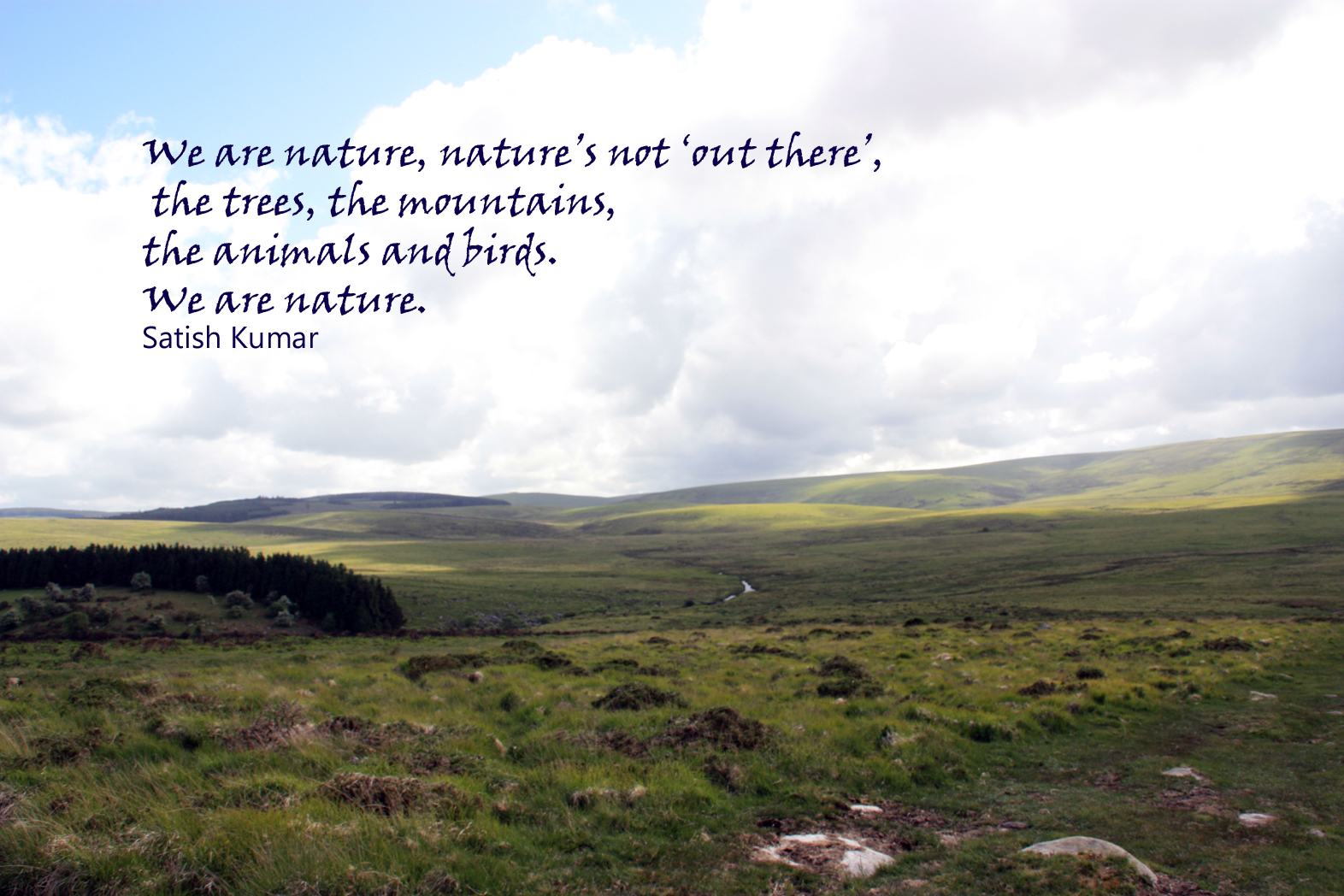
Show us your muse, says Brie Anne Demkiw. What subject keeps me coming back? Devon of course, it’s the most wonderful place in England and I’m very lucky to live here. I’ve posted many times about the coast, the estuary and the river, and a little about my city. If I think of a muse, what springs to mind is Dartmoor, that expanse of wilderness that I love. Here are a few images from the moor, I hope you find them inspiring too.


Join in here at the Daily Post

Dartmoor Walls


Containing livestock

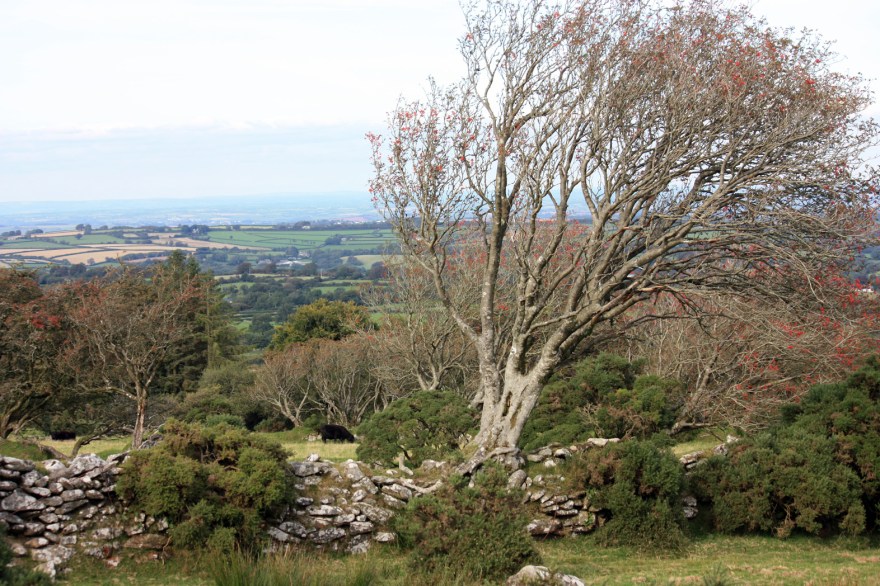
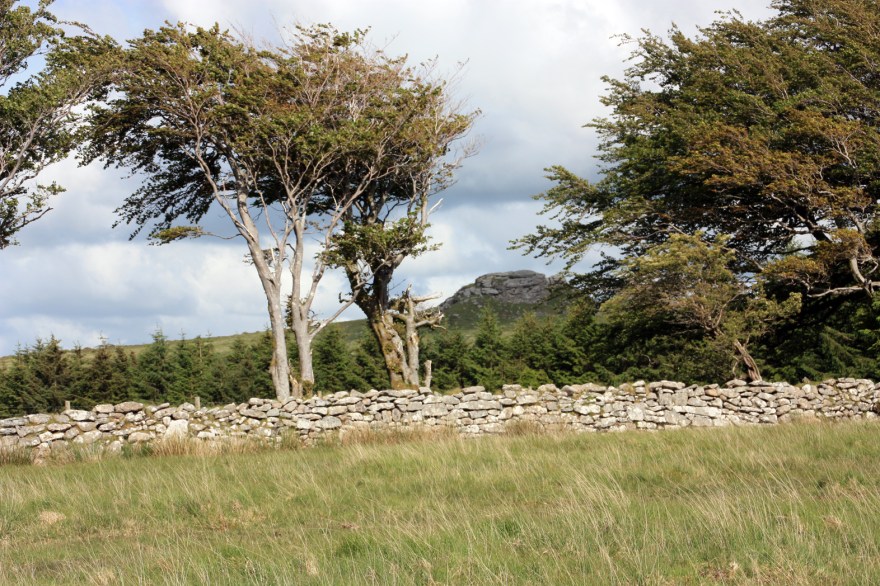
Like many upland areas around the UK and the rest of the world, dry stone walls can be found all over Dartmoor. Some are hundreds of years old and have fallen into disrepair, others are well maintained and still functioning as they were intended.

Near Scorhill
Near Scorhill
The Two Bridges road
North of Two Bridges, towards Wistman's Wood
North of Two Bridges, towards Wistman’s Wood

The name refers to the lack of any mortar used in the construction, although often nature takes its course and soil arrives and fills in the gaps.

Up close and covered with lichen and moss
Up close, covered with lichen and moss

I’ve always loved these old walls,  to run my hand across the granite is a journey back to the dawn of time on our planet, and to make contact with all the hands that have touched before me. Dartmoor’s dry stone walls may not be as grand as those built by the Incas in Peru and I don’t suppose they can be seen from space like the Great  Wall of China, but they are living, breathing masterpieces in their own way.

Cheri Lucas Rowlands has created the photos challenge of Wall this week, click to join in.


Weekly Photo Challenge: Shadowed


Experimenting with shadows can be a fun and rewarding way to push yourself to try something new with your camera, your subject, and your surroundings. Shadows can also add depth and drama to an otherwise ordinary image.
For this week’s Photo Challenge, find the shadows. You can choose a literal interpretation and shoot an actual shadow, or you can play with the light and dark, and create a moody scene, or capture your subject in a rich and interesting way.

So, I’ve tried to choose some images where something is shadowed!

shadowed
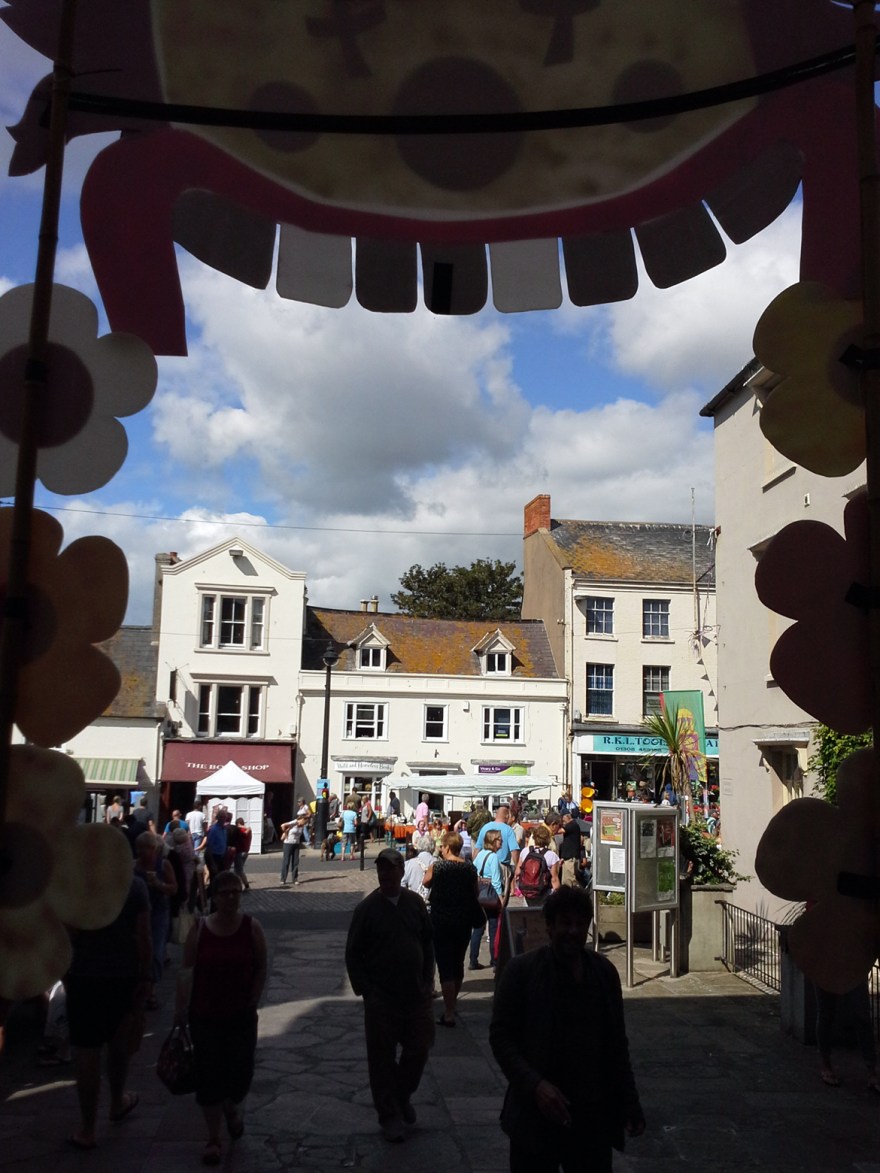
The courtyard at Bridport Arts Centre is shadowed by a decorative canopy and the buildings on each side of Buckydoo Square.
shadowed 1
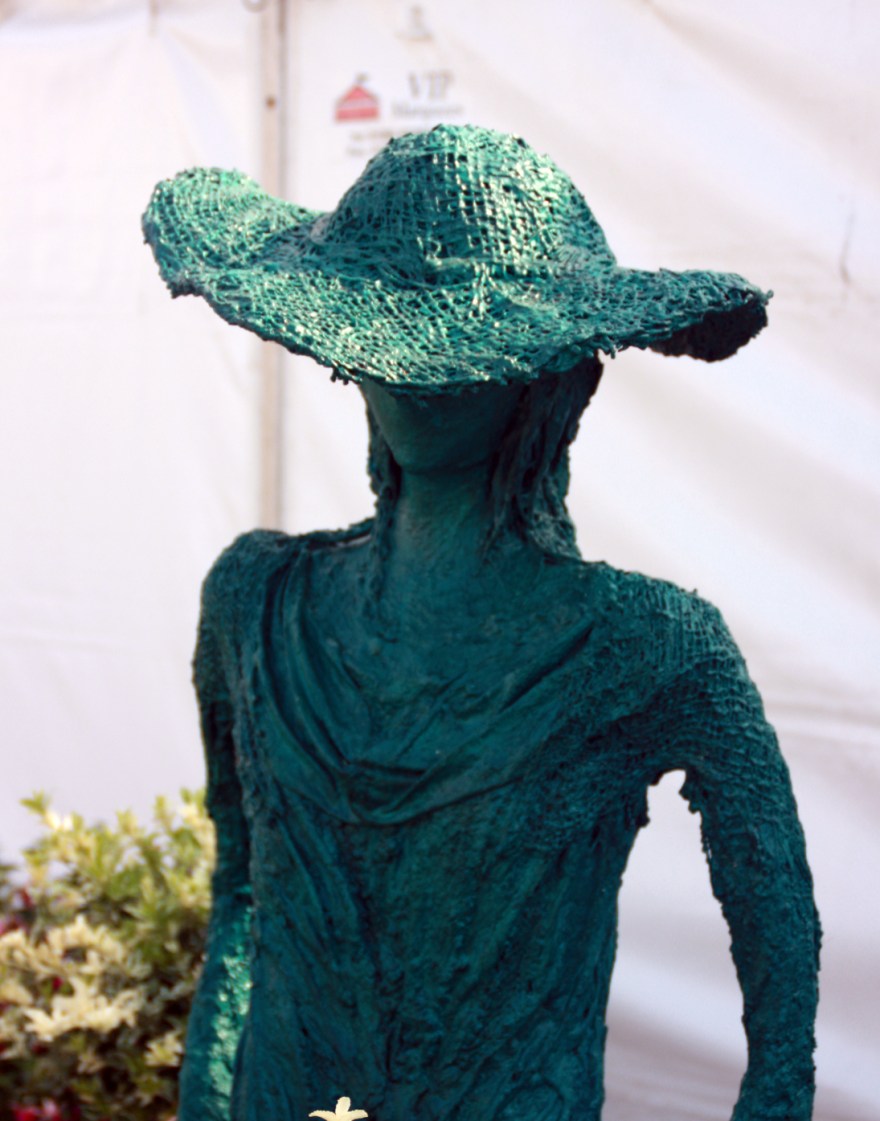
She’s beautiful, you’ll just have to believe me as she is so well shadowed.
shadowed2
A Dartmoor day with the sort of weather that makes the clouds shadow the distant moor, beyond Scorhill.
Maybe you will join in?
https://dailypost.wordpress.com/dp_photo_challenge/shadowed/

Converging Stone Rows

Photos are visual spaces where shapes and lines, objects, and people come together, says Ben Huberman at the Daily Post and he asks for photos with the theme of ‘Converge’. I find the bronze age stone rows on Dartmoor fascinating, imagine the people that created these way back in time. My photo shows some of the stone rows that converge at the top of the hill above Scorhill circle heading towards Batworthy and Fernworthy.

converge
If you have photos that converge – and who doesn’t? share them here.
http://dailypost.wordpress.com/dp_photo_challenge/converge/

I met some ladies . . .

Driving across Dartmoor the other day I squinted, not quite believing what I saw. I’ve often seen a solitary highland cow but never a whole bunch of them together and right by the side of the road. I slowed down onto the verge, expecting them to get up and walk away but they didn’t. I opened the car window and started snapping but couldn’t get a clear view so I got out. Again, I thought they would disappear or more likely, make me disappear!

Instead they let me get to within six feet of them and I could probably have got even closer but didn’t want to push my luck.

So here they are, hope they make you smile.

Wistman’s Wood

It is believed that Dartmoor was almost completely covered in forest thousands of years ago, but it was gradually chopped down and used by the people living there at that time. Nowadays there are evergreen plantations and just a few natural woods remain, Wistmans Wood for one. It is a small, remote wood, just eight acres at a height of 1300 feet above sea leve,l with mostly oak trees, stunted by the poor soil and altitude. The surrounding area is open moorland, grazed by sheep, cattle and ponies. Without the clitter, fallen from the tors further up the hillside, the grazing animals would have put paid to Wistmans long ago. As it is, the clitter makes it impossible for them to gain foothold there.
Wistmans is one of many Dartmoor sites that is shrouded in myth and legend. Its name derives from Saxon wissen, to know, so Wissman’s or Wistman’s Wood, means wisemans wood and refers to the Druids and their sacred grove. You may indeed encounter the ghosts of druids past, if you dare to visit in the dark of the night. Far worse might be an encounter with the devil and his pack of fearful wisht hounds, Wistmans may be where he keeps them.
Rumour has it that adders lurk between every boulder, ready to strike if you dare clamber over, to find a path through the wood. What’s more likely to happen is that you will slip on damp moss and break an ankle, or worse, between these ancient granite rocks.
So brave traveller is you visit, listen for baying hounds, keep your eyes out for serpents, be careful what you turn your back on, and most of all if there’s a red flag flying stay away – the military have a firing area nearby and you don’t want to get shot!

Scarce hoarier seems the ancient Wood
Whose shivered trunks of age declare
What scath of tempests they have stood
In the rock’s crevice rooted there;
Yet still young foliage, fresh and fair,
Springs forth each mossy bough to dress,
And bid e’en Dartmoor’s valleys share
A Forest-wilderness”.
Sophie Dixon -1829.

A Truck with a Past

In the 19th century, granite was quarried at Haytor on Dartmoor and was taken along a tramway  to the Stover Canal. From there it went by barge to Teignmouth, then by sea around Great Britain and further.  The tramway was opened on 1820, by George Templar of Stover, a long distance footpath , the Templar Way is named after him.

Granite from Haytor was used in the building of London Bridge, the British Museum and the National Gallery.

Trains of up to twelve trucks descended from Haytor, with a horse behind to slow them down.  Remains of the tramway can still be seen on Haytor Down. The ‘Relic’ of a truck below is similar to the ones used on the tramway. This post is for the Weekly Photo Challenge of Relic.

truck

Visit http://dailypost.wordpress.com/dp_photo_challenge/relic/

to join in.