Buckland and Drake

A few weeks ago I did a series of posts about Buckland Abbey , but I left out it’s most famous owner, Sir Francis Drake.

Buckland was paid for with Drake’s earnings – or plundering on his early voyages. The treasures he brought home to Queen Elizabeth 1 provided him with wealth and his title. Even though he had no children his heirs lived at Buckland for eight generations, until the 1940’s.

The most famous anecdote is of how he supposedly continued a game of bowls on Plymouth Hoe, saying that their was plenty of time to deal with the approaching Spanish Armada afterwards.

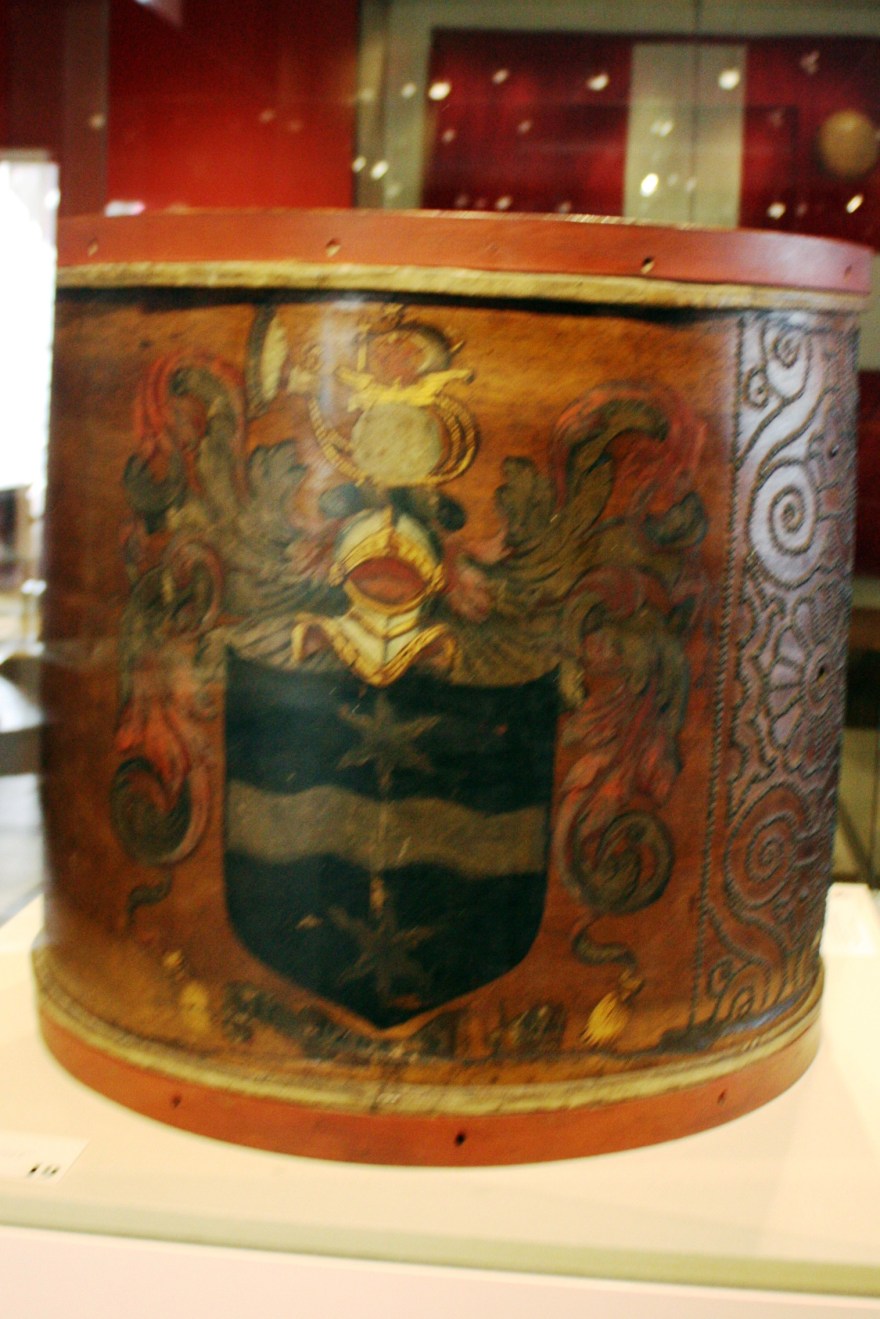
Artifacts relating to his journeys can be seen at Buckland, the most important being a late 16th century drum, decorated with Drake’s coat of arms, one of the oldest surviving in Europe, and possibly one of thirteen bought in 1595 for his last voyage. The drum is said to beat if England is in danger, most recently during the Second World War just before Dunkirk was evacuated, spooky eh?

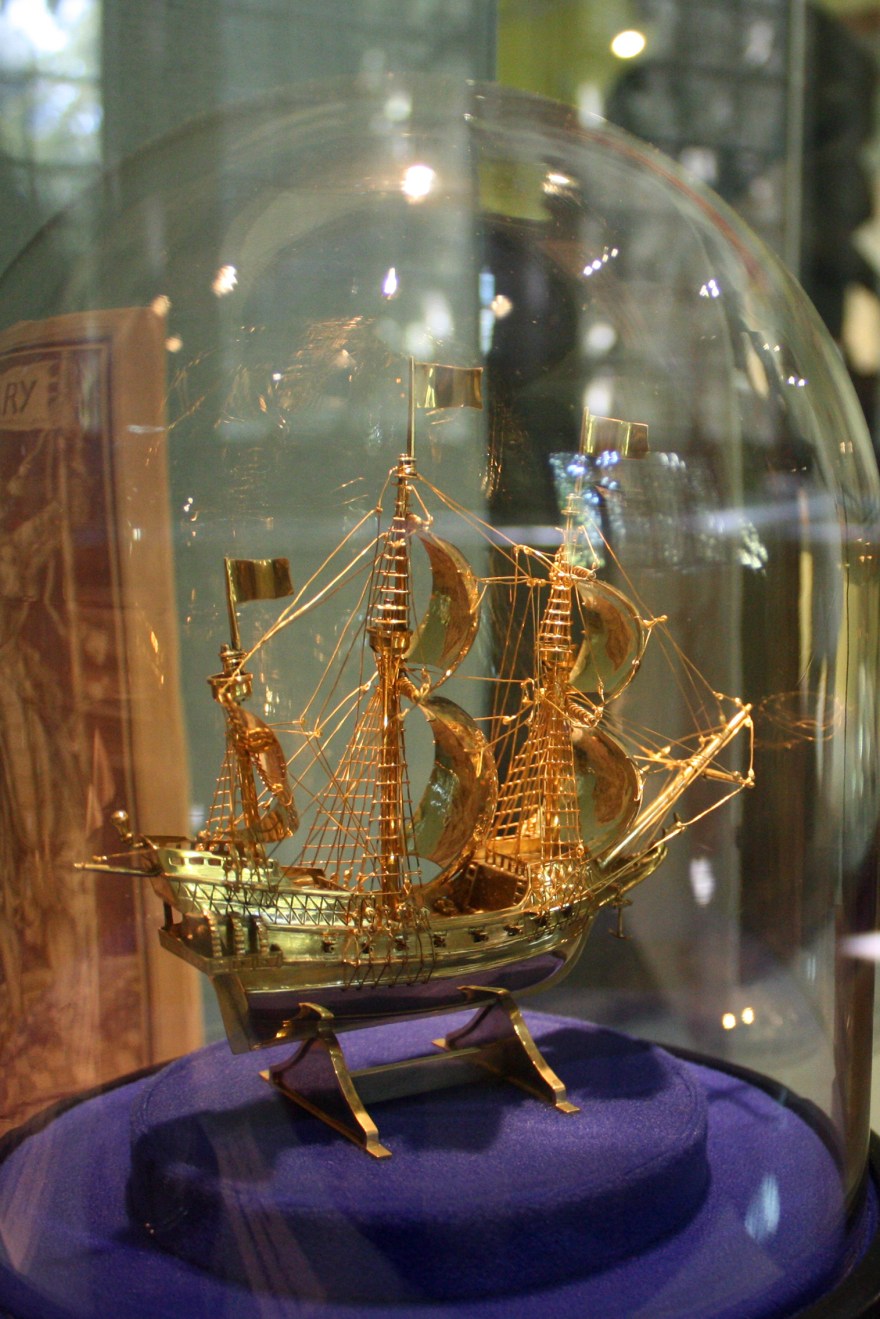
In 1596, as he lay dying of dysentery, he is reputed to have asked to be dressed in his full armor. He was buried at sea in a lead coffin, near Portobelo. Here are a few of Bucklands Drake treasures.

2013 Apr 06_3938 copy

Sir Francis is the knight in this chess set.
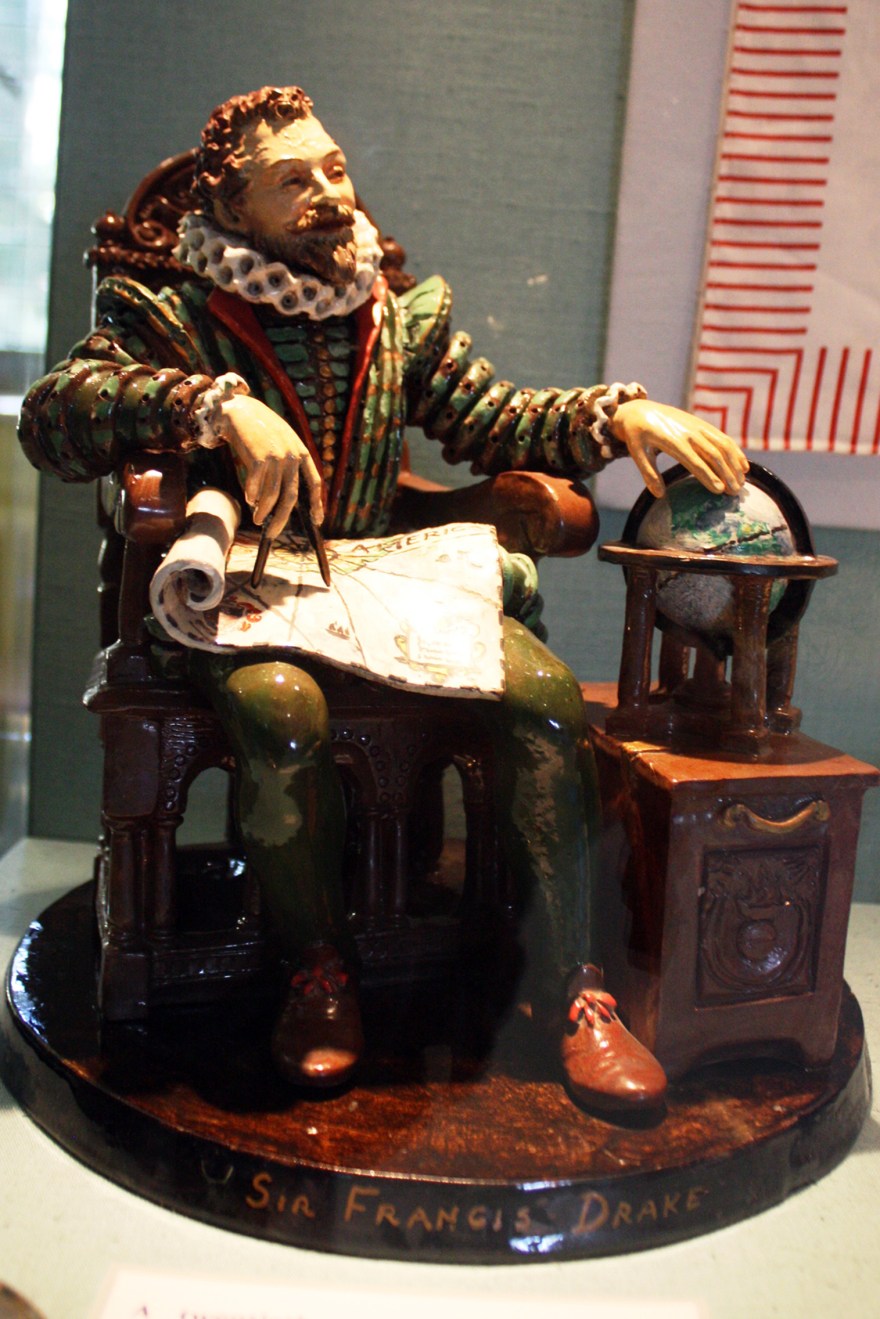
2013 Apr 06_3940 copy

Plotting his course.

2013 Apr 06_3948 copy

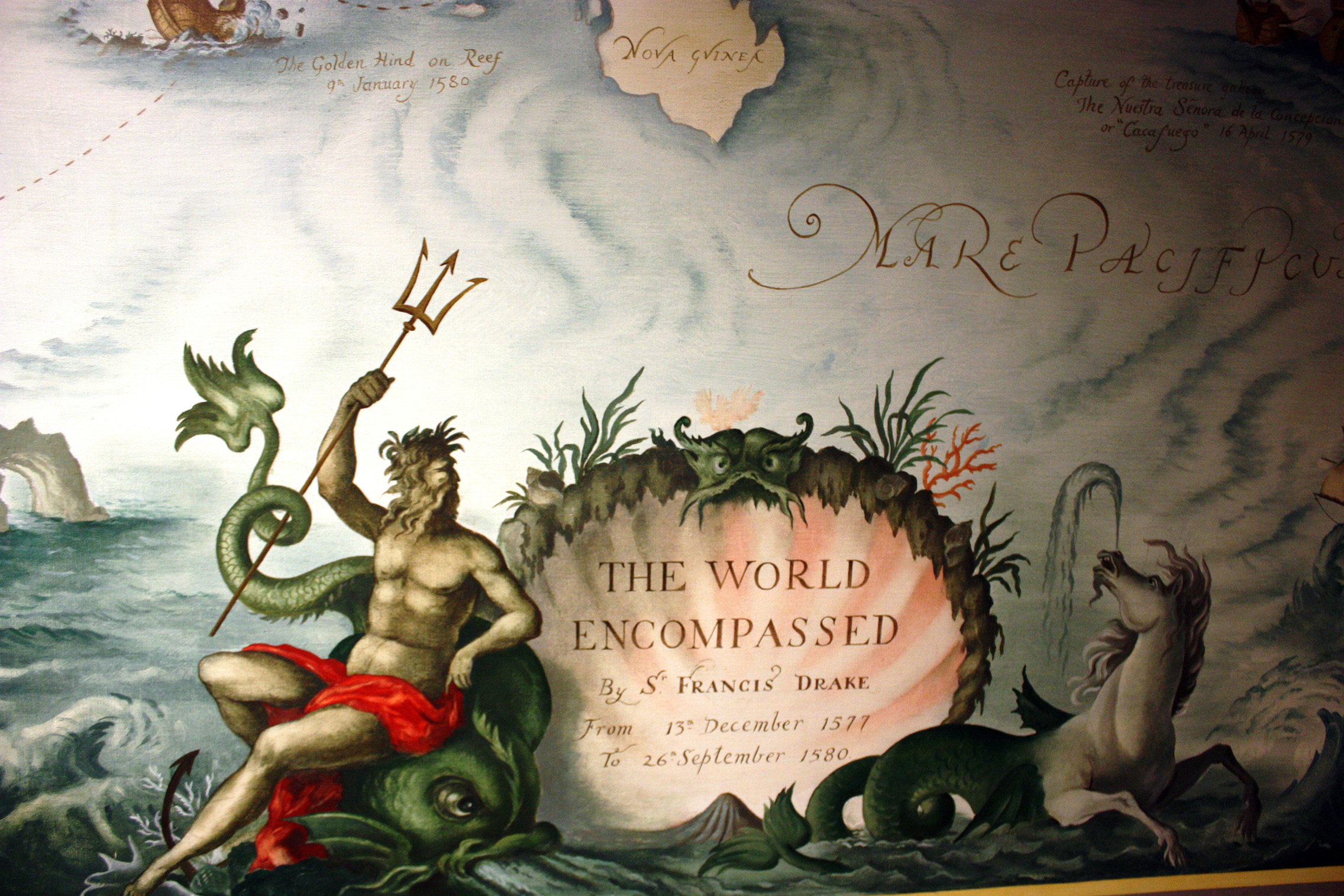
Across the oceans.

2013 Apr 06_3955 copy

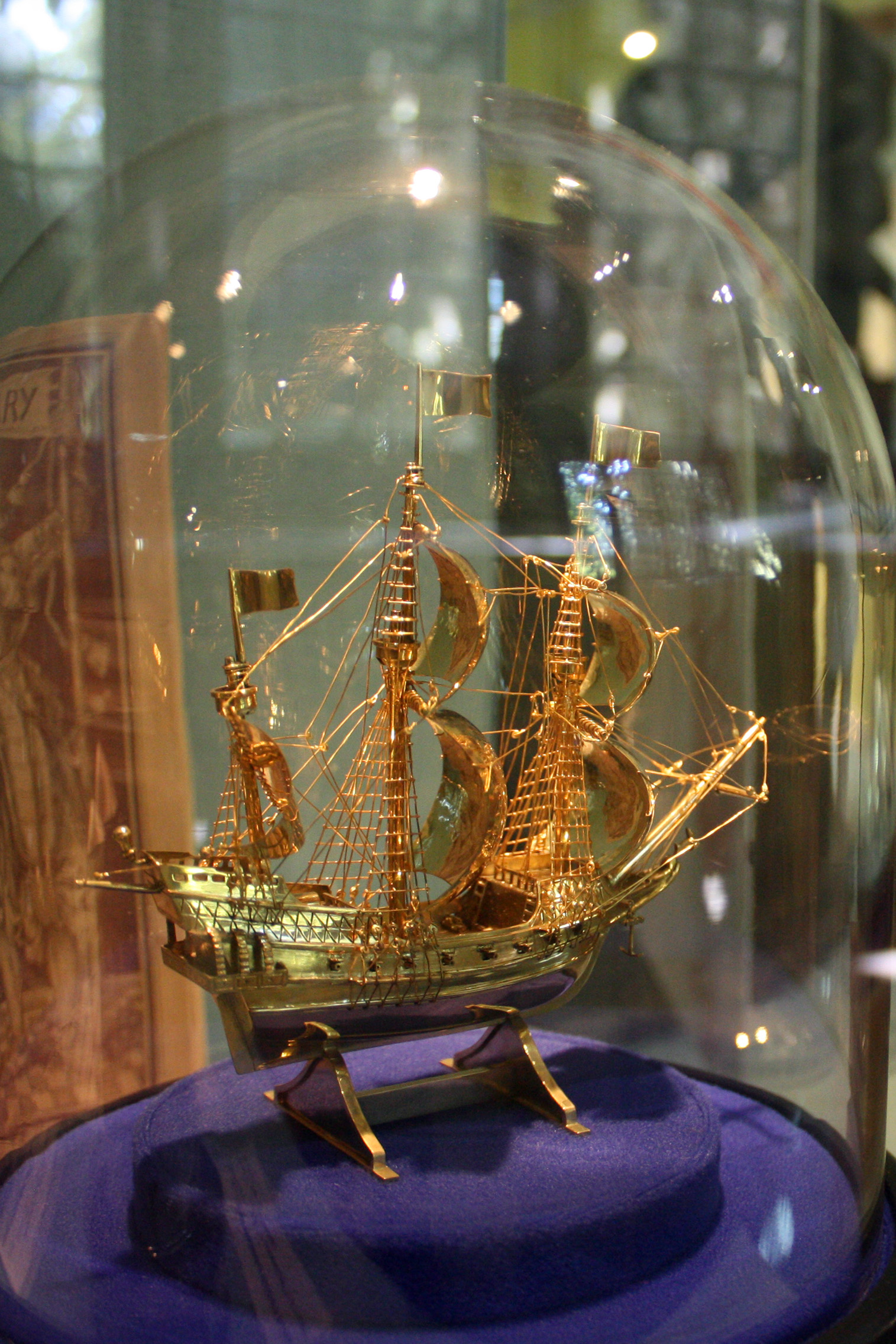
A beautiful golden miniature.

2013 Apr 06_3961 copyThe drum, lets hope it doesn’t sound.

2013 Apr 06_3981 copy

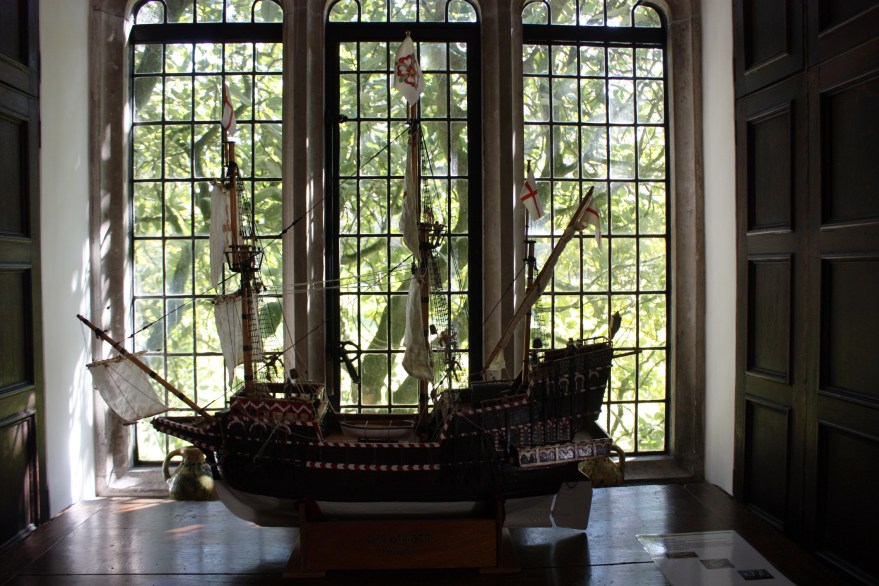
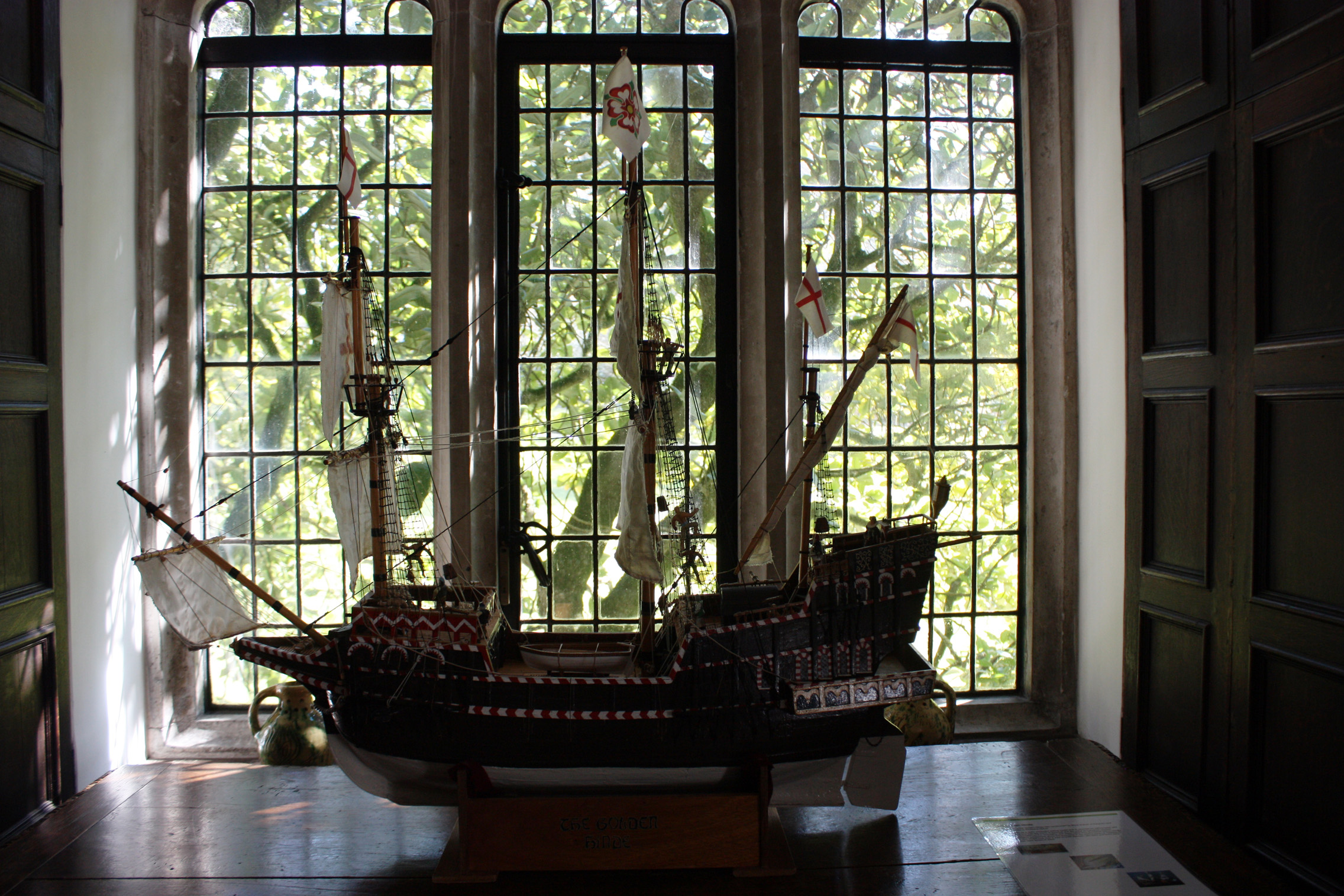
A scaled replica. 2013 Apr 06_4027 copy

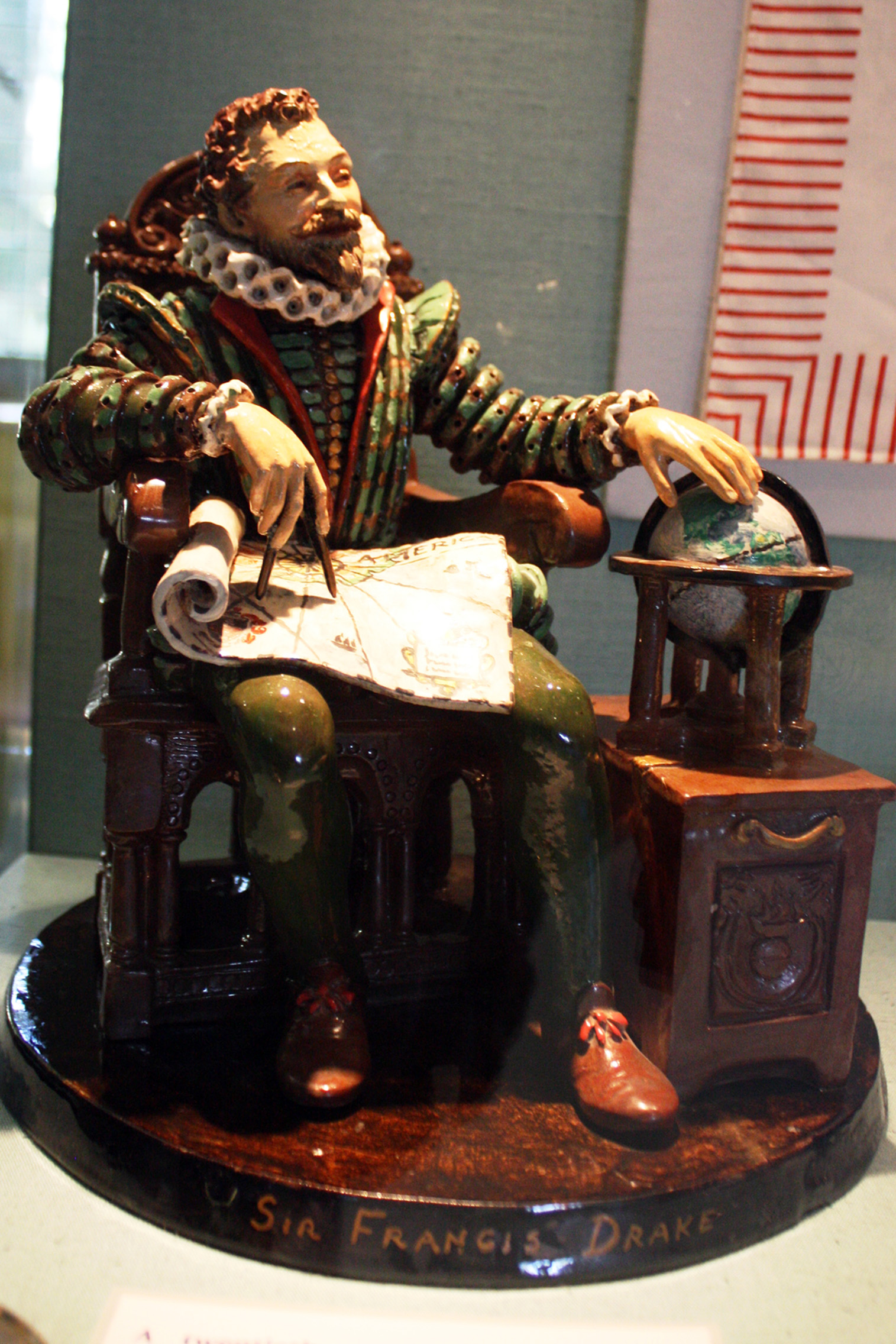
The man himself.

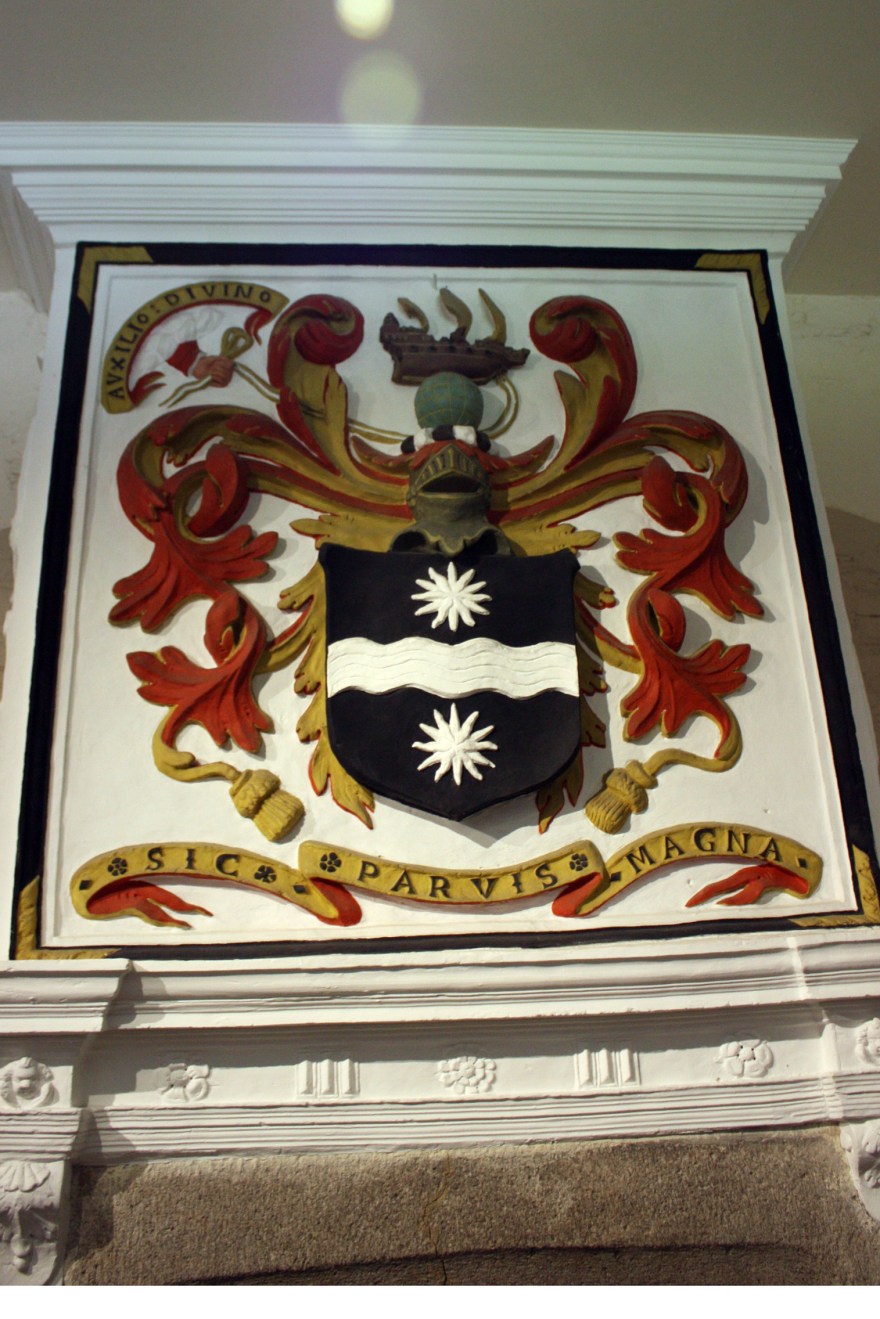
2013 Apr 06_4037 copyDrakes Coat of Arms.

Weekly Photo Challenge

Funny, poignant, symbolic, incorrect, informative, foreshadowing…there are so many signs in the world.

That’s what Sara Rosso has to say about signs, the theme for this weeks Photo Challenge.

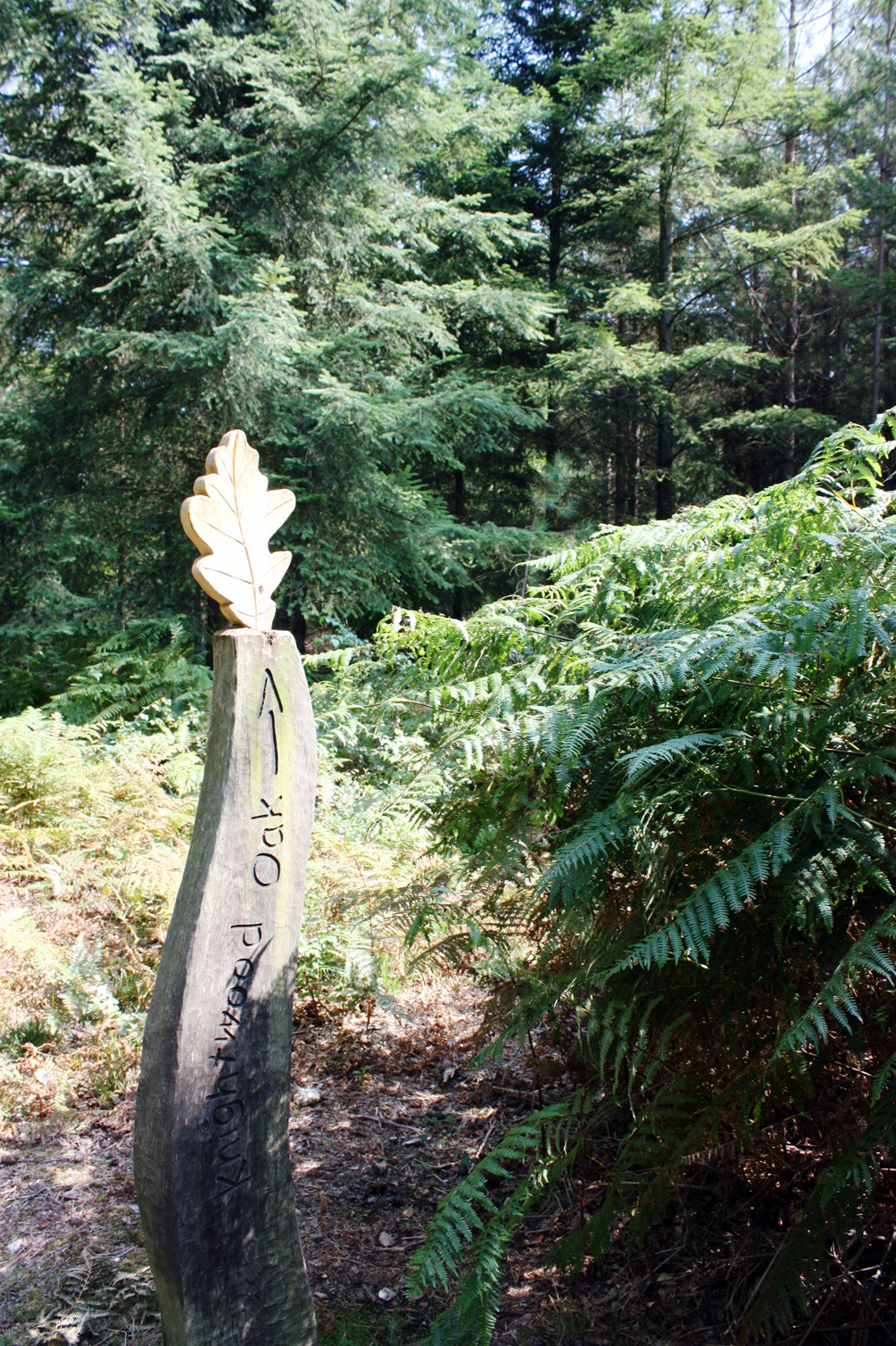
IMG_3089 copy

This is a sign on a waymarked path through the New Forest.

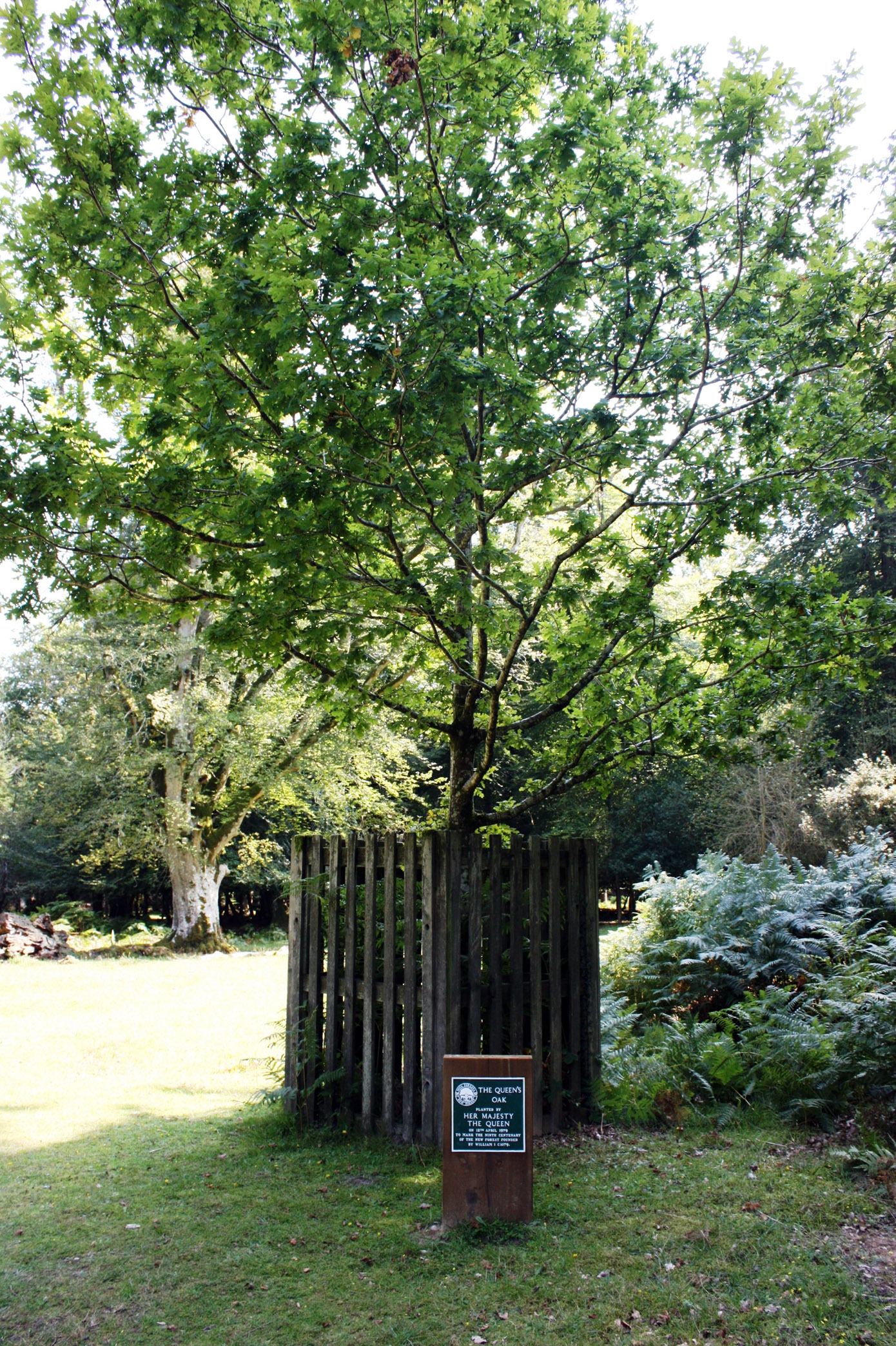
IMG_3092 copy

Still in the New Forest, this sign tells us that the Queen planted an oak tree in April 1979 to mark the 9th centenary of the forest founded by William 1 in 1079.

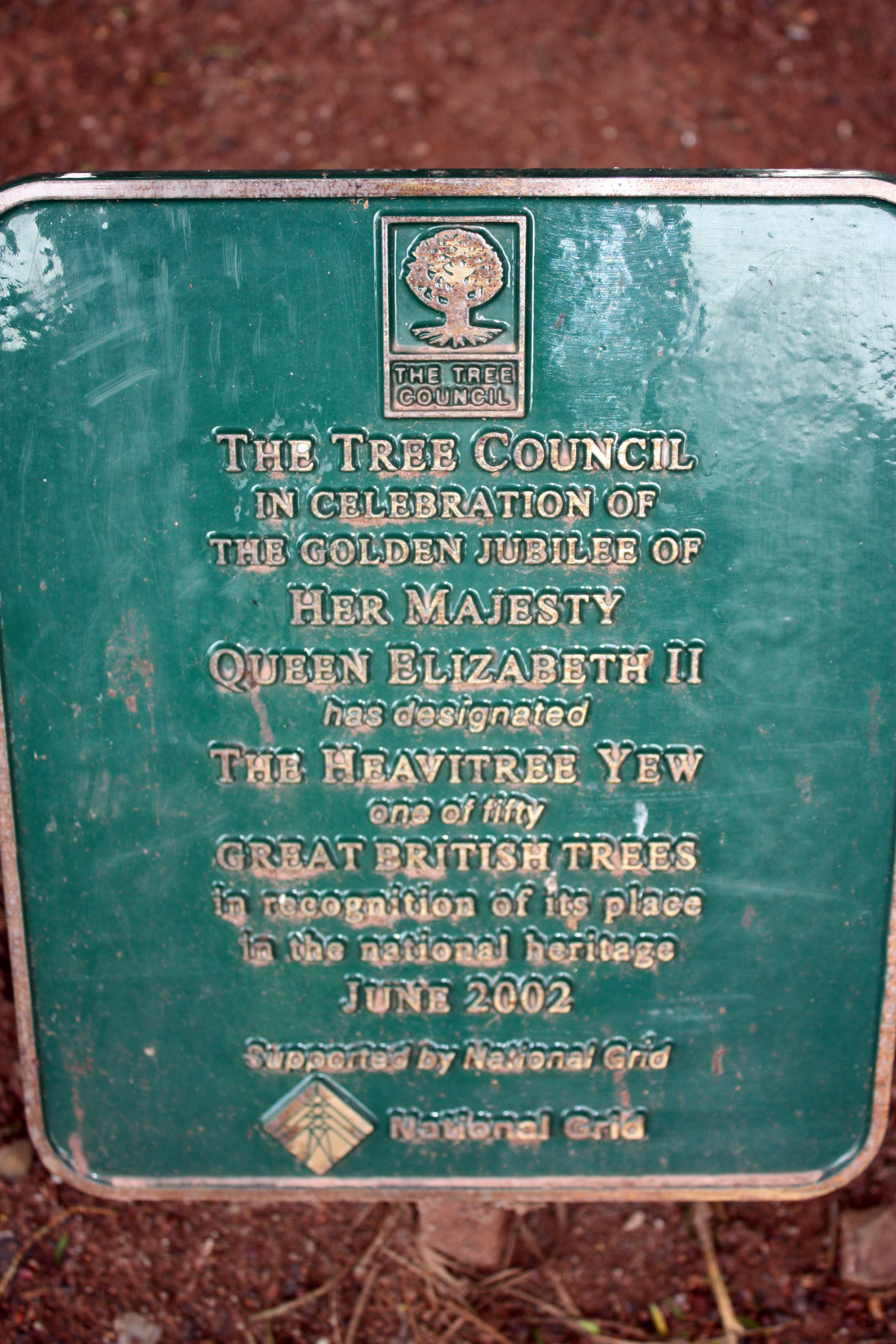
IMG_5767 copy

Keeping to a royal theme, this one should be clear enough to read if you click on it. Taken in my local area, Heavitree, Exeter.

IMG_6885 copy

Now look, you must go to the regatta, church, and an art exhibition at Salcombe. But, don’t even think about drinking there or cleaning your fish!

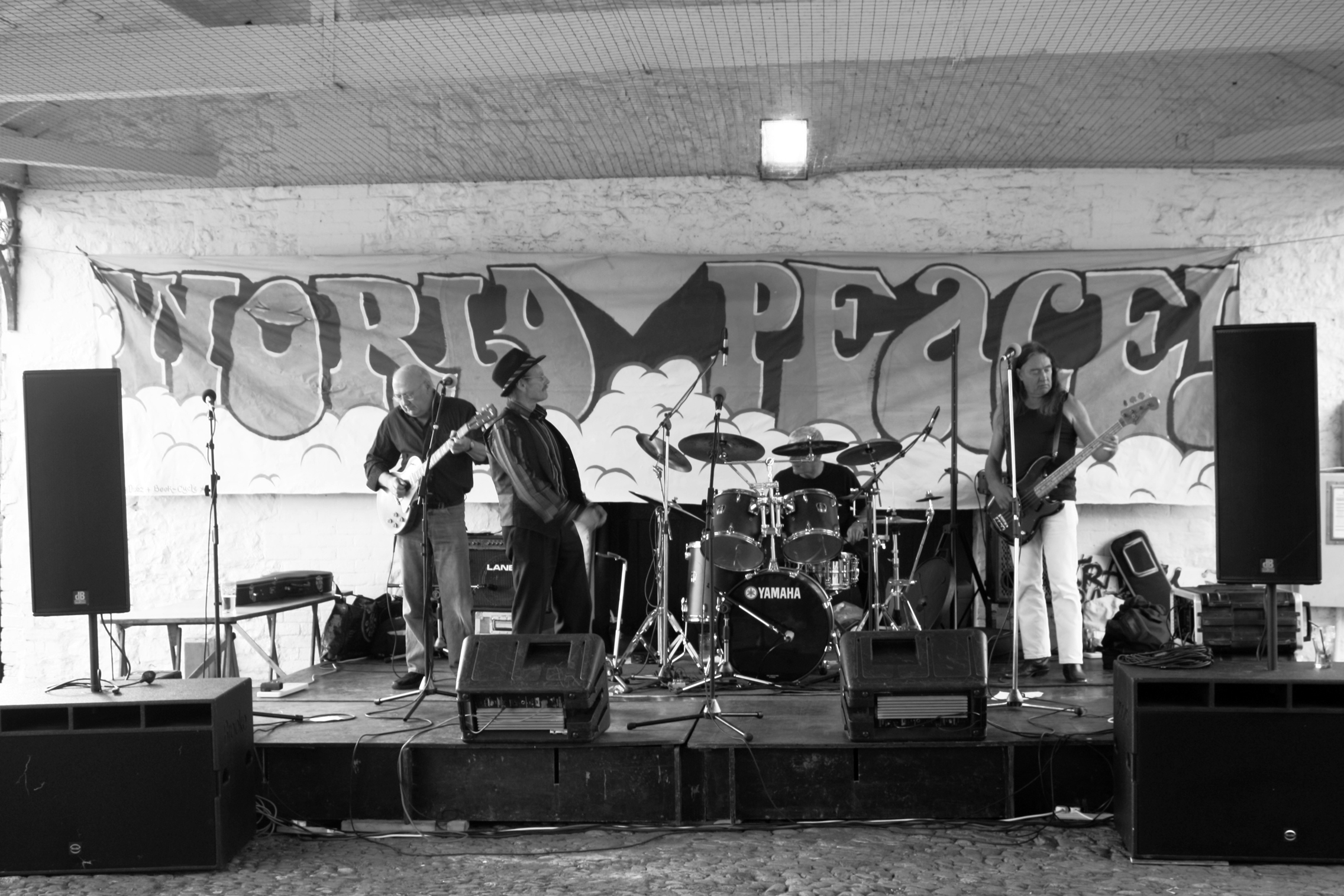
IMG_4294 copy

Let’s sing and play for World Peace!

As usual join in  at http://dailypost.wordpress.com/2013/05/31/weekly-photo-challenge-the-sign-says/

Jakes Sunday Post: Perspective

This is what Jake has to say about perspective.
The way in which objects appear to the eye, Representing the effects of visual perspective in graphic arts,
Perspective photography distortion is determined by the relative distances at which the image is captured and viewed, and is due to the angle
of view of the image (as captured) being either wider or narrower than the angle of view at which the image is viewed, hence the apparent
relative distances differing from what is expected. Related to this concept is axial magnification the perceived depth of objects at a given magnification.

And this is my photo.
2012 Dec 27_2343
To join in visit http://jakesprinters.wordpress.com/2013/05/27/sunday-post-perspective/

Travel Theme: Pathways

Dartmoor National Park has over 450 miles of permitted access footpaths. You will find gentle strolls with fabulous views and rugged long distance hikes for the intrepid. Wildlife is abundant, there are quaint villages, old stannary towns, bronze age burial sites and lots of legends. I have explored many areas but there are a few places that I will always go back to, Scorhill and Houndtor are top of my list.
The paths in my photos, are narrow tracks worn into the grass that have been walked for centuries. Houndtors rocks are a climbers paradise and you will find someone dangling from a rope on most days! Once you reach to top the view opens out towards Haytor, Dartmoors most visited site, and in the valley below are remain of a medieval village. It must have been a bleak place to live back then.

I have posted quite a few times about Dartmoor, see my tag cloud for more and join in with Ailsa’s theme at http://wheresmybackpack.com/2013/05/24/travel-theme-pathways/

Weekly Photo Challenge: In the Background

‘In the Background: The places that we pass through day after day, or even once in a lifetime, leave in their small way, echoes and traces of themselves upon us. But so often when taking self portraits or pictures of friends, the places themselves become a soft blurred mush of indistinct semi-nothingness, the limelight stolen by our smiling faces. In today’s challenge, let’s turn the tables. Take a picture of yourself or someone else as a shadow, a reflection, or a lesser part of a scene, making the background, or — as in the example above — the foreground, the center of attention.’
Of course I don’t get it! But here goes anyway. Join in with the challenge at http://dailypost.wordpress.com/2013/05/24/weekly-photo-challenge-in-the-background/

Thought to be early 16th century. I'm convinced its older.
Thought to be early 16th century. I’m convinced its older.
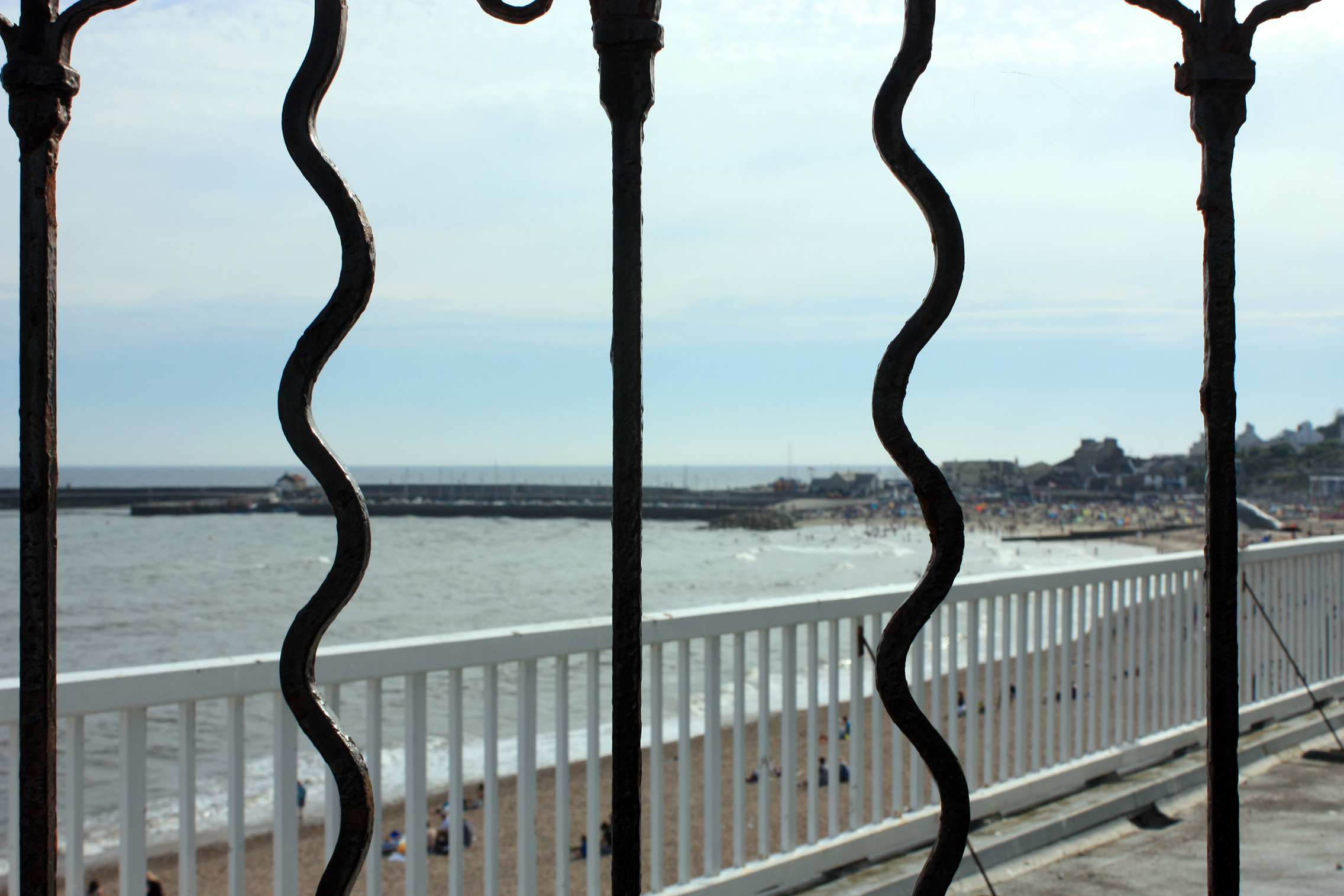
Through the wavy lines.
Red cliffs background

Thames Barge Vigilant, Connections

Imagine being six years old and setting off to work in 1908. I compare my little granddaughter who is five when I think of it. Talking to a friend at work recently I learnt that her late grandfather was a ‘Barge Gypsy’. A what? I asked her.
Apparently Charles Willoughby Garner started work on the Grand Union Canal, just six years old. His job was to guide the horse along the canal bank as it pulled the barge owned by the Bromwich’s, his grandmother’s family. The barge carried grain, coal and wood, presumably towards London as the canal runs 130 miles from Birmingham.
Charles stayed with the family barge until he was fourteen and then moved on to be a tug man on the Thames.
The First World War began a couple of years before and thank goodness he was too young to be called to arms. He had a very important role during wartime, guiding boats in under darkness, and when the bombing was happening he would be away from home for days on end.
Charles stayed on the Thames until he retired aged 68. The Bromwich barge was last seen and catalogued as sunk at the bottom of a Manchester dock yard. I wonder if Charles knew that when he died in 1979. I’m sure he was justly proud of his part in Britain’s maritime history. Thank you to Michelle for sharing his story.
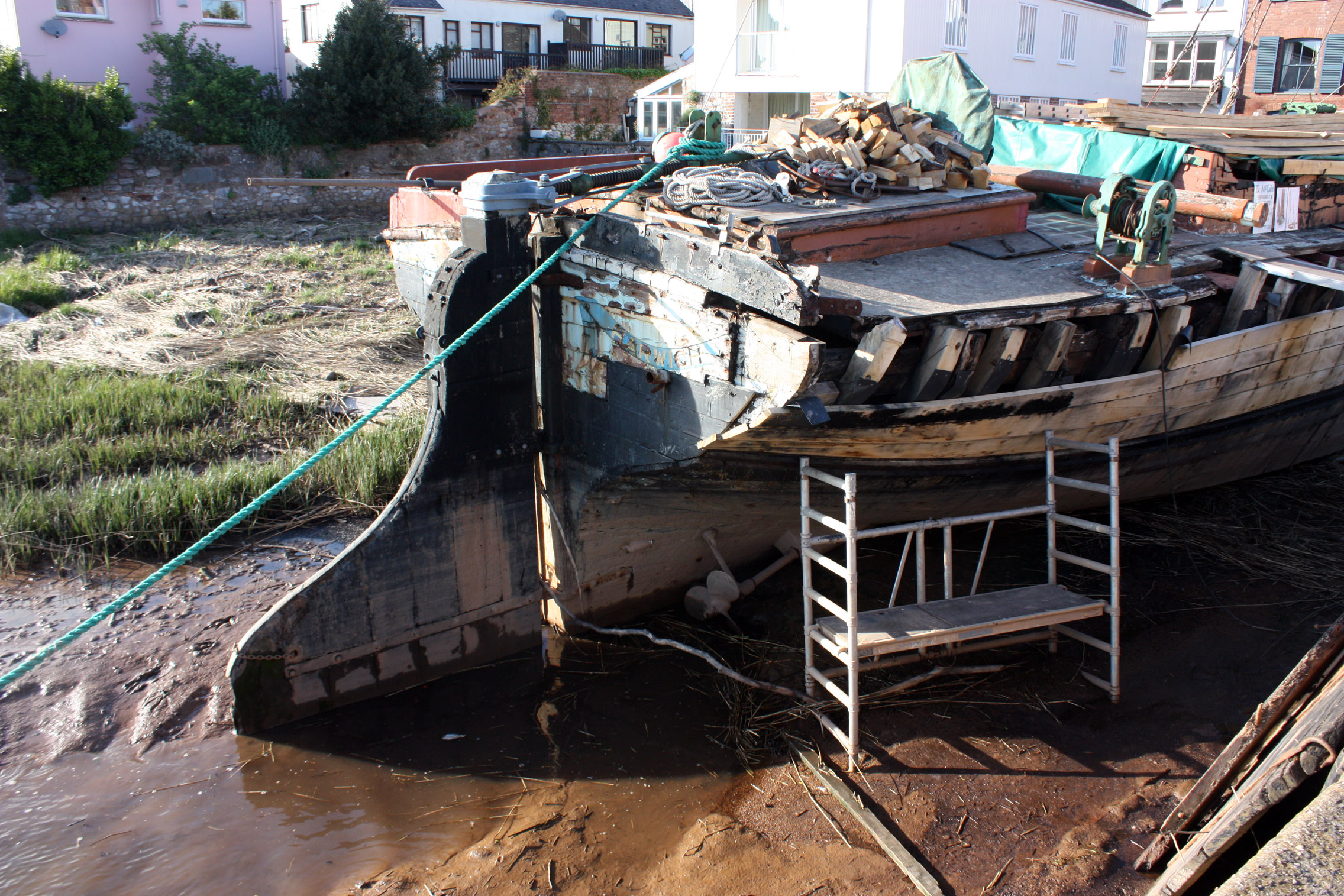
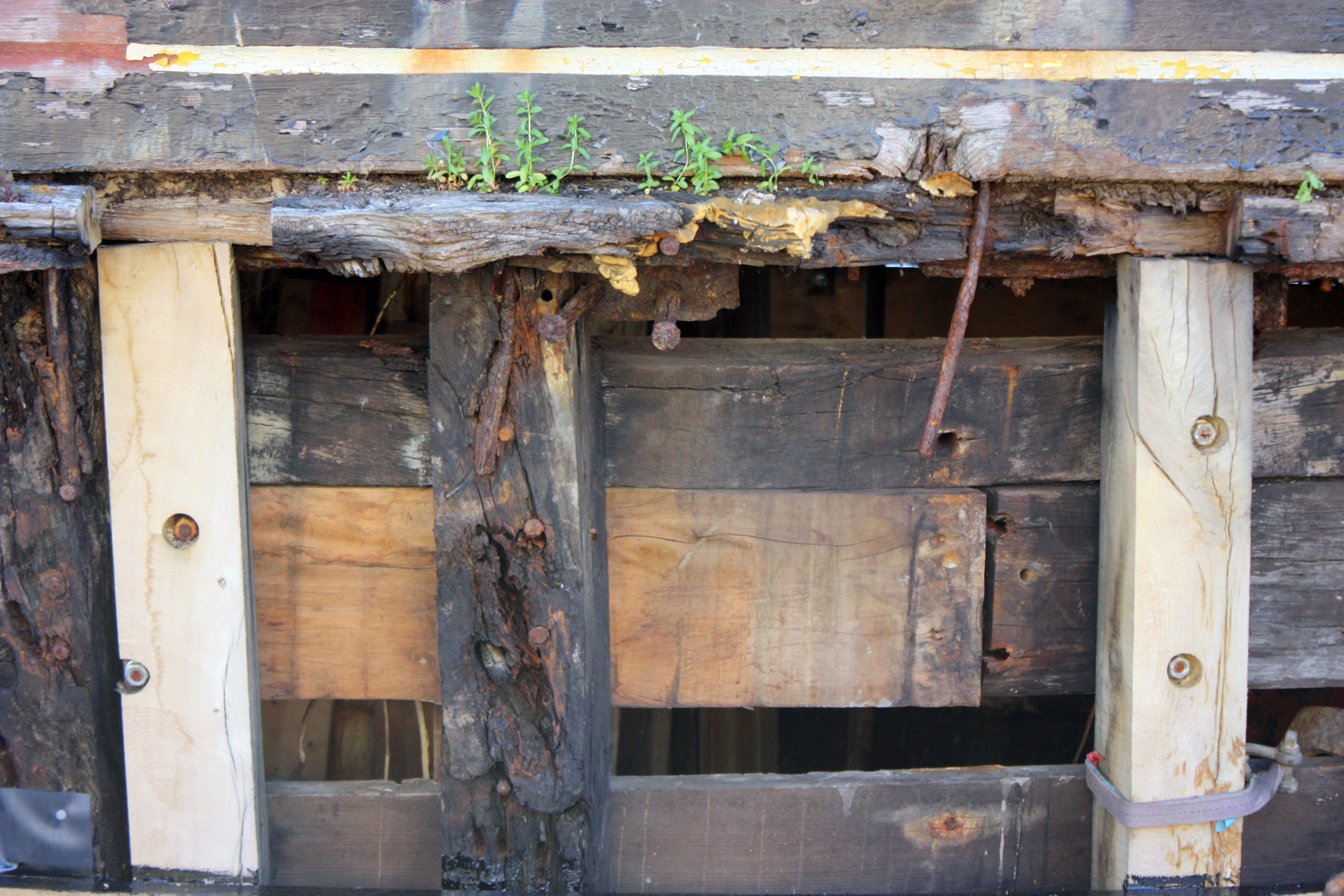
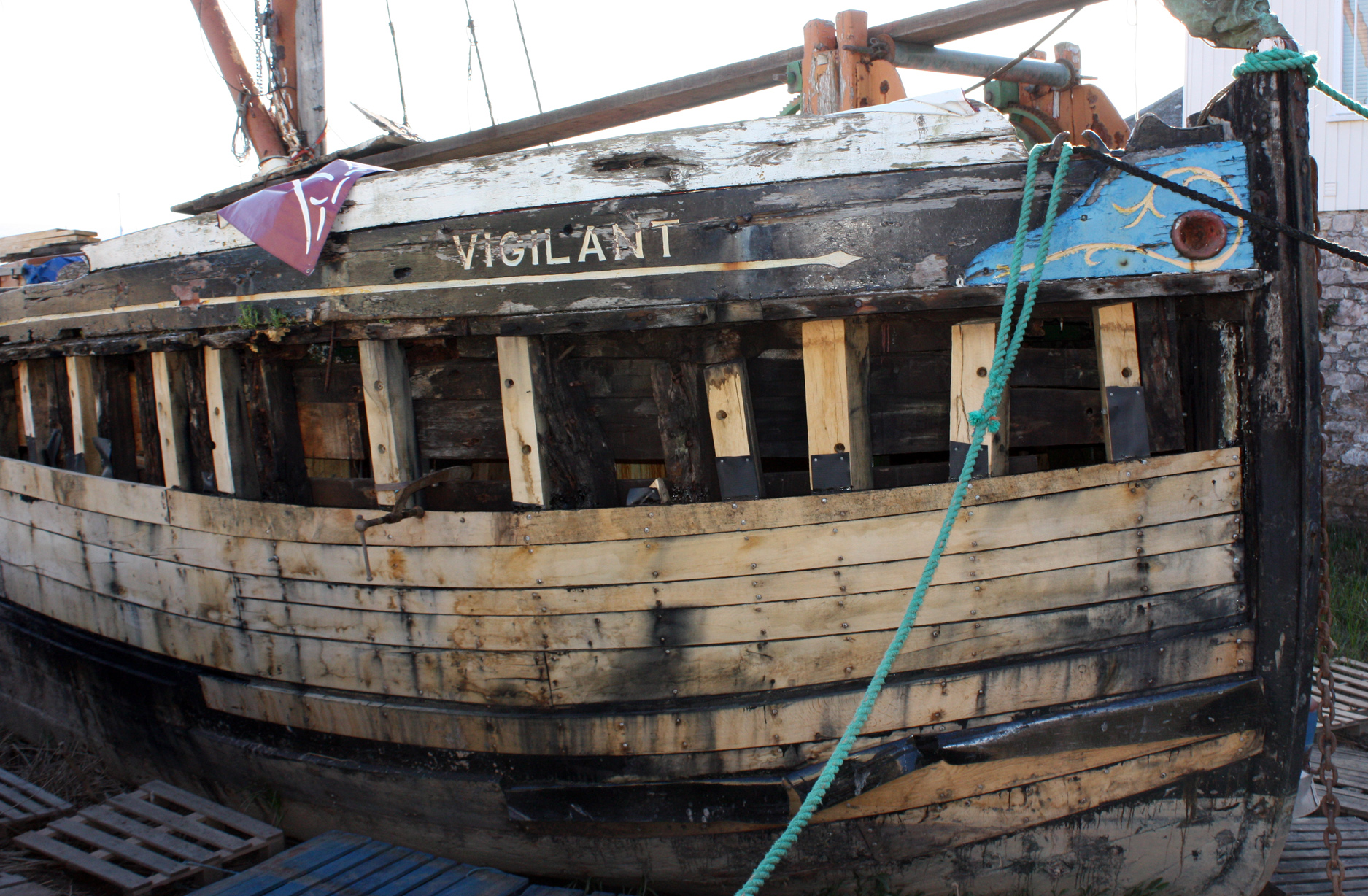
If you have been following Lucid Gypsy for a while you’ll know that I’ve been posting about the restoration of a Thames barge, Vigilant, here in Exeter at Topsham Quay, who knows, perhaps Charles even sailed on her. Yesterday I popped down to check her progress.
1
Stern in the Topsham mud.
4
Preparation.
3
She comes with her own garden!
5
Looking good on the port side.
2
Wonderful curves.
6
Traces of colour to her bow.
7
Imagine how beautiful she will be in sail, I can’t wait to see her.

Related posts
https://lucidgypsy.wordpress.com/2012/12/29/vigilant/
https://lucidgypsy.wordpress.com/2013/03/20/vigilant-revisited/

Postcard from the River Exe and its barge project