Looking Forward

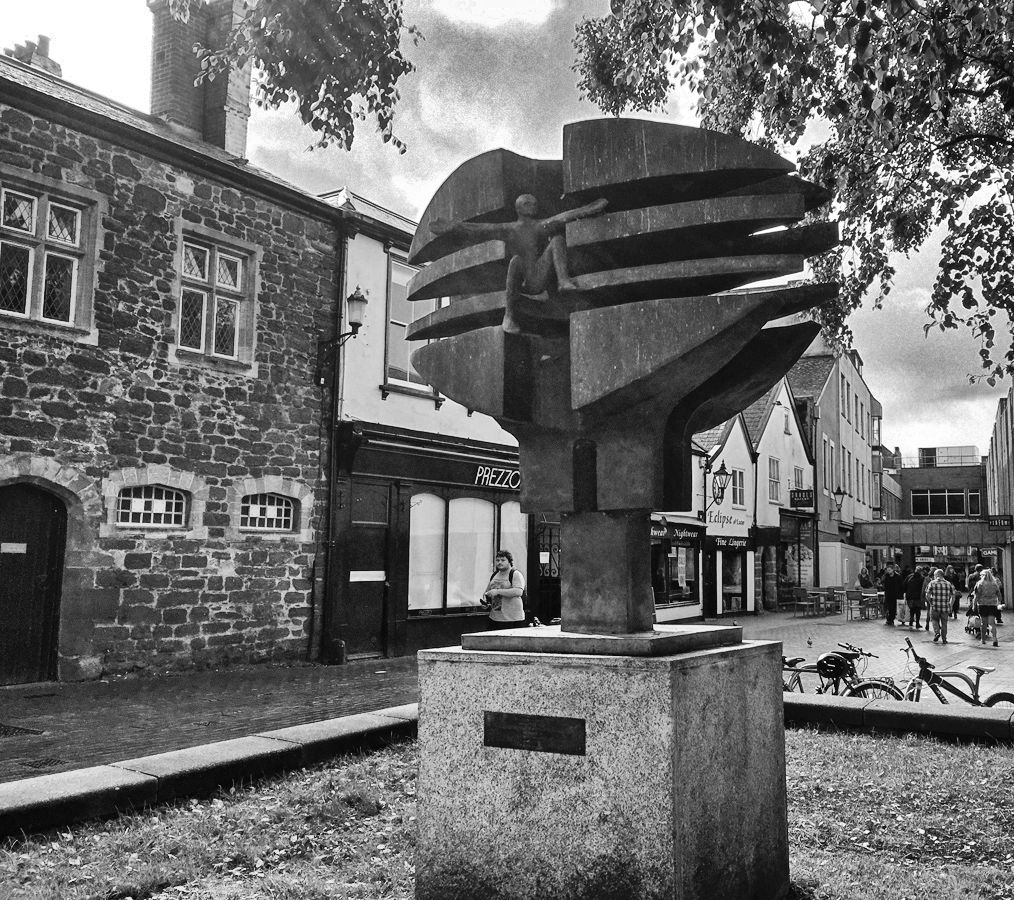
As someone who likes sculpture, I have to confess to being a complete idiot. You know how you walk past something regularly and don’t even notice it? well this is one of those things. Commissioned in 1977 by Exeter city Council, for the Queen’s Silver Jubilee, it’s one of a series by Peter Thursby, and named Looking Forward.

The sculpture depicts a Podman, they were ‘Little men on scaffolding, constructing buildings. They appeared to be framed in boxes, like peas in a pod’. Thursby made a full sized model from polystyrene in his Exeter studio. The finished work was cast by the Chris Blackmore foundry near Ashburton.

Will any of you confess to discovering something that you’ve walked past hundreds of times and not seen?

Late Autumn Leaves

Last year I went to Stourhead at the end of October, to see the glorious autumn colour. Circumstances this autumn meant that I didn’t get there until yesterday, by which time a lot of the leaves had fallen. There was still plenty to see and it was a perfect day for another ‘getting back my fitness’ stroll. Rather than repeat last years post, I’m joining Jude’s Garden Challenge with a few leaves, because she wants to see anything found in a woodland environment.

This slideshow requires JavaScript.


Jude’s post is about the New Forest in Hampshire, pop over and see, maybe join in!

Black and White Sunday, a Barcelona Nightscape

Paula asks for a nightscape in black and white and says ‘the absence of colour lets us focus on shapes more’. I agree, clear definition and form seems to work best.

My photo was taken from the Arenas rooftop in Barcelona, which is a circle of restaurants with views over the city.

Placa Espanya by night

The Arenas was once the city’s bullring, and is now a smart shopping mall, a much better use, don’t you agree?

Losing the Clarence

It isn’t often that Exeter makes the national news, which is a good thing. We’re a small city with mostly well behaved citizens, where bad things rarely happen. Last week though the unthinkable happened, a fire in the very heart of the city. At 5.20 in the morning, the Royal Clarence Hotel in Cathedral Yard caught fire, it’s believed that the fire began two doors down in the upper floors above a prestigious gallery, and the flying debris caused it to spread. More than 100 fire fighters worked to contain the blaze, and were still working three days later.

The Clarence was the first in the country to take call itself a hotel, a term copied from the French, prior to that there were only inns. The hotel was built in 1769, on the site of an earlier tavern and had a reputation for being haunted.

I’ve finally been to Cathedral yard to see the site for my self, here are some photos.

This slideshow requires JavaScript.


There were no injuries and for that we must be thankful. Quite a few shops around the hotel, including on the High street were slightly damaged and remain closed. Demolition work began this week, and owner has pledged a sensitive re-build, we have to hope.

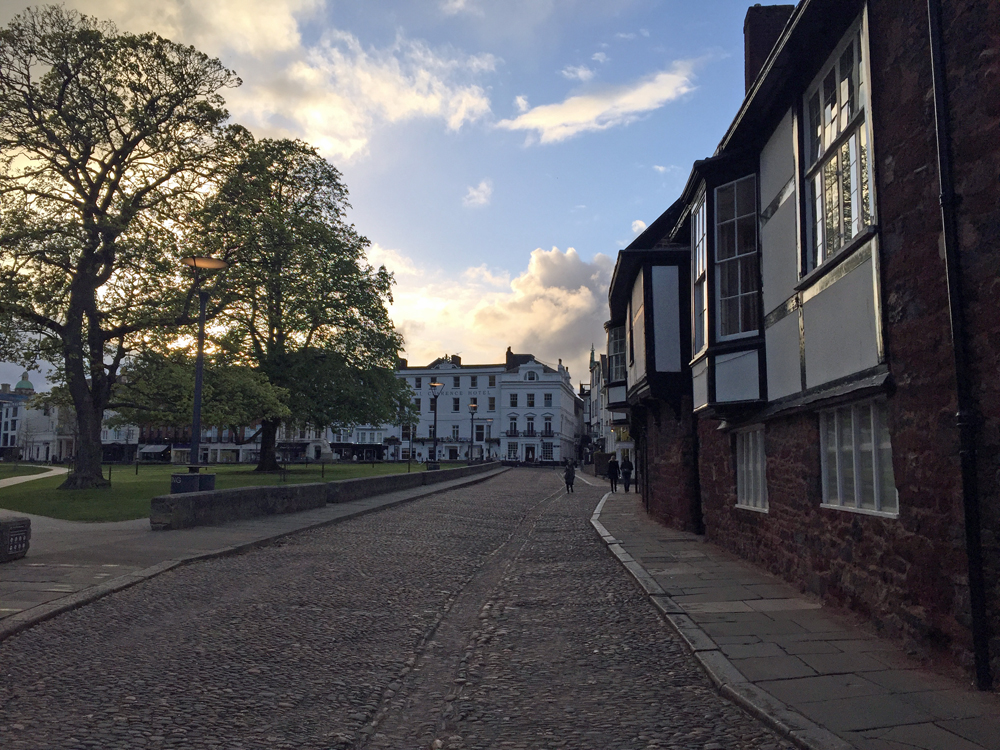
I’ve posted both of these photos before, but first the hotel in the centre, with the cathedral green on the left and the buildings on the right date from 1500.
rc6

The hotel has always looked splendid at night. To the right 15th century St Martins,built on the site of a previous church from 1065, and Mol’s Coffee House, built in 1596 with it’s Dutch style gables.

rc7

Exeter suffered a great deal of damage during the blitz, including to the cathedral, but nearly all the buildings along the Yard survived, it’s desperately sad to see this part of our heritage destroyed.

When Victoria reigned . . .

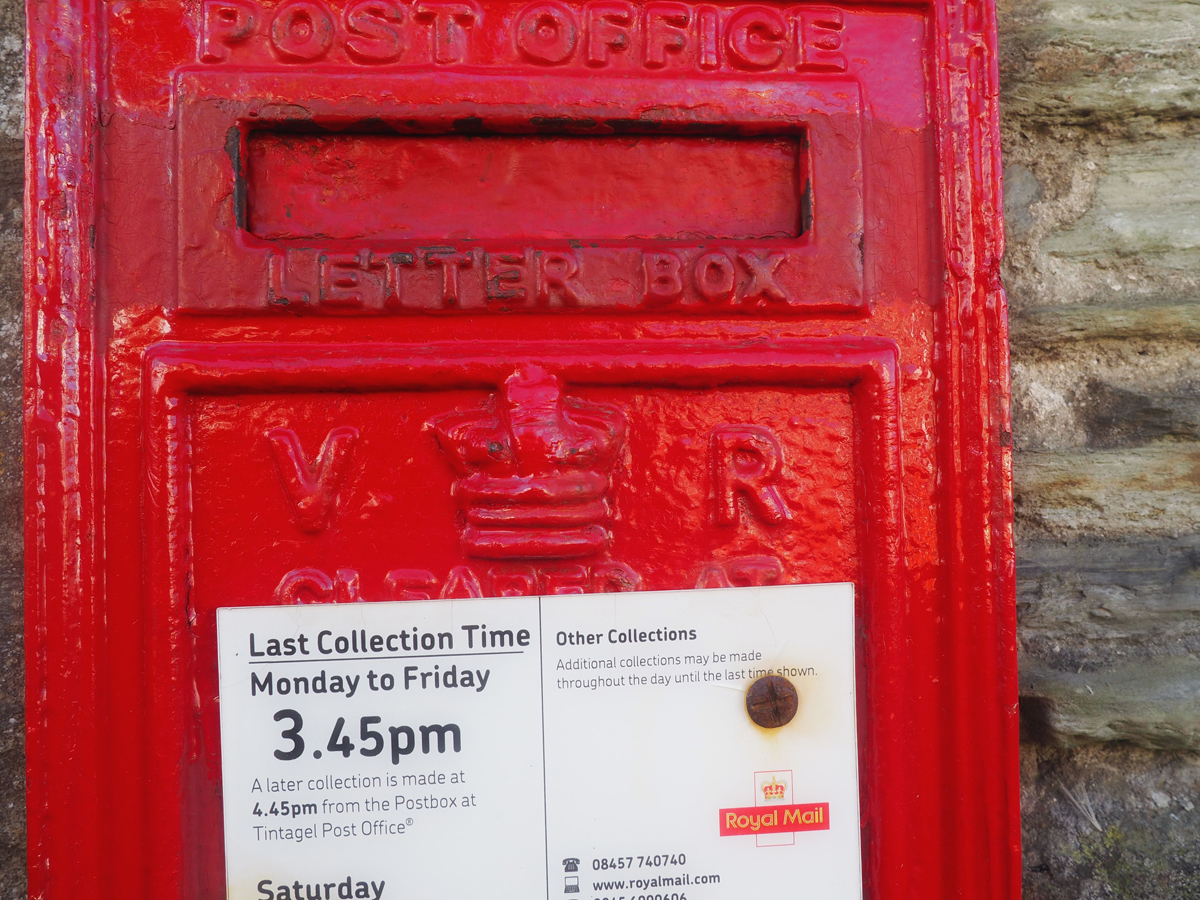
This post box was set into the stone of Tintagel’s Old Post Office, now looked after by the National Trust, and it’s still emptied even now.

Jude, you’ll find the other one on the right hand side of the hill going down to Boscastle. I wasn’t able to pull in to take a photo, but it’s much nicer that this one so if you’re ever up that way . . .

Traces at St Materiana’s

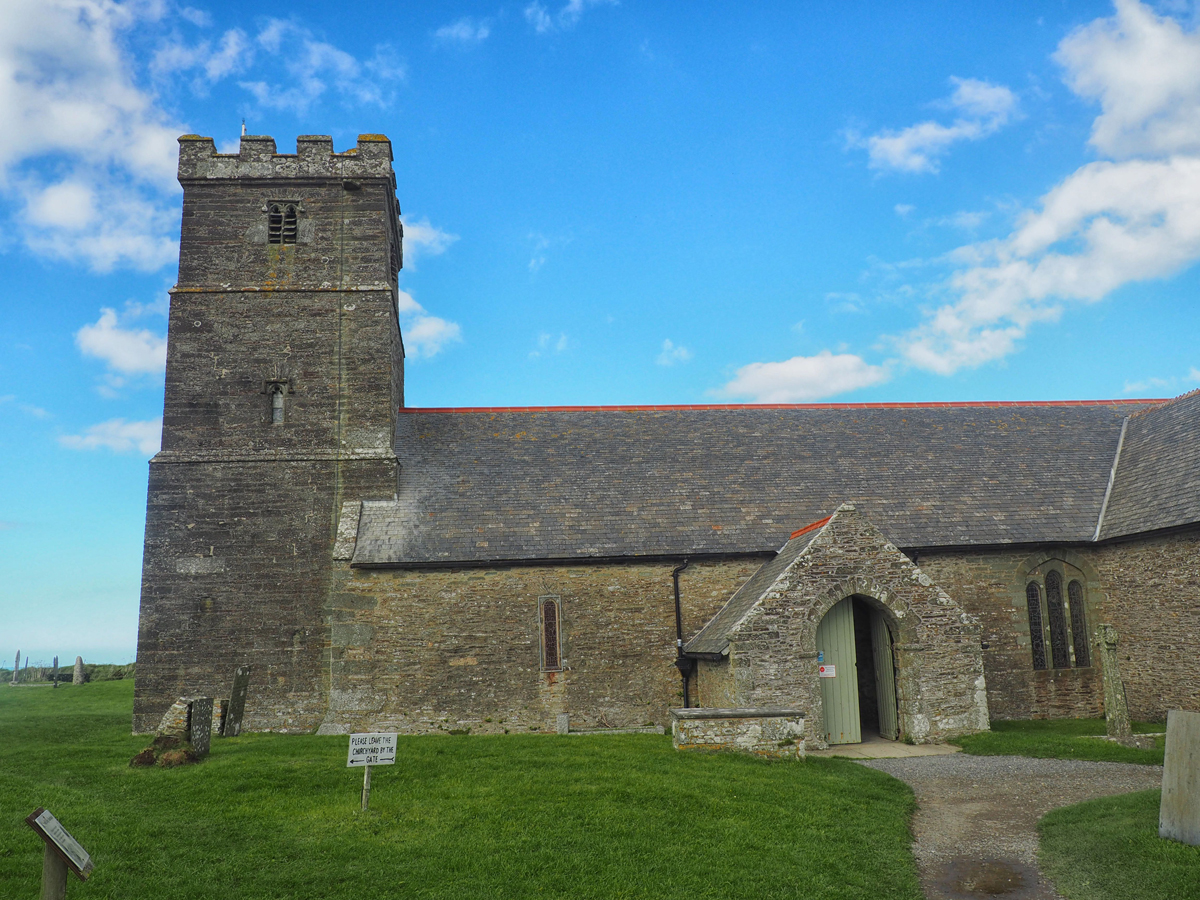
A month ago, I spent a day in north Cornwall, a glorious sunny day in early October, one of those bonus days that has to be made the most of. We headed in to Boscastle, but so did everyone else and with nowhere to park we gave that up as a bad job and went instead to Tintagel. I was already rather poorly by then, and was shocked by how rough I felt after walking just two miles along the cliffs, but finding the gem that is St Materiana’s Church made it worthwhile.

Built between 1080 and 1150, St Materiana’s stands high above the sea on Glebe Cliff.

The church doesn’t look particularly interesting from the outside, a typically dull Saxon building, and a sign warning you to keep off the grass because of adders doesn’t help!

The area around Tintagel is believed to have been evangelised by a princess of Gwent, St Madryn, around 500 AD. It’s likely that Madryn and Materiana are one and the same. It is thought that the church is sited on ground that was previously a Celtic oratory, served by monks. Between the 5th and 7th centuries it was used extensively as a Christian burial ground.

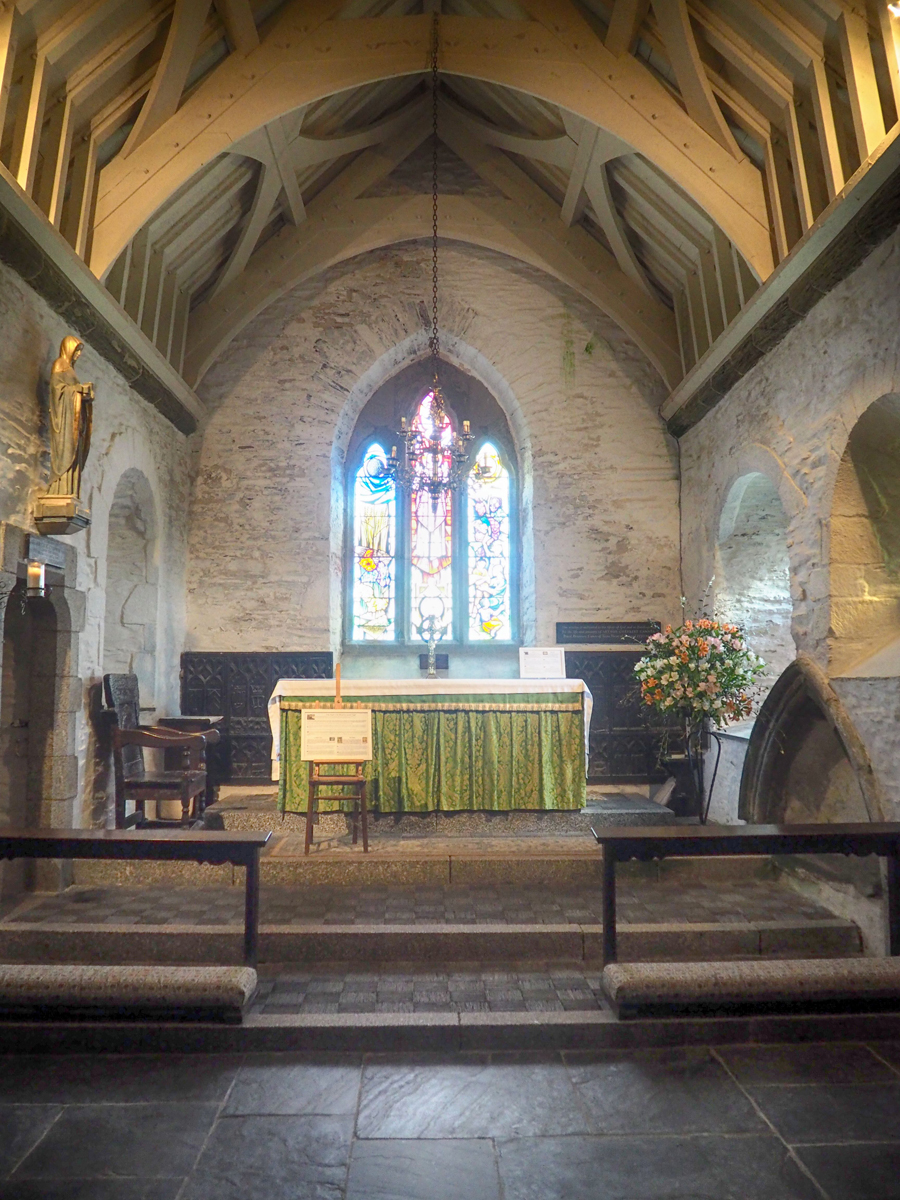
Inside the church there is a pre-Reformation altar and a Tudor bishops seat.

OLYMPUS DIGITAL CAMERA

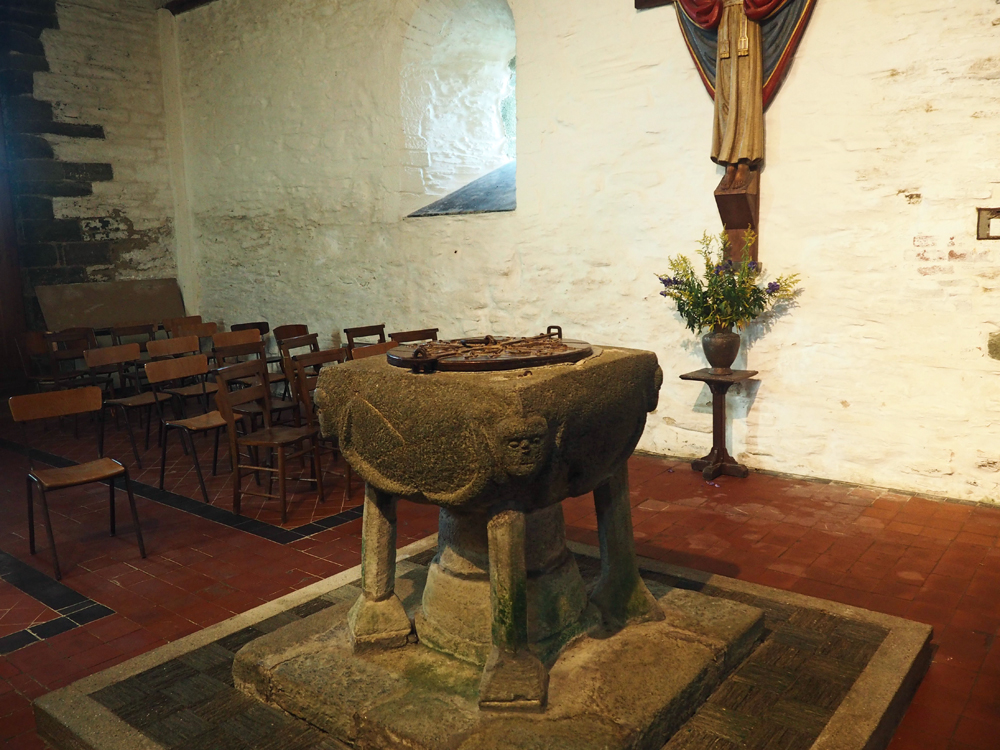
What struck me as most unusual was the font, I’ve never seen one quite like it, have you?

Apparently it’s Norman, and it’s believed to have come from the chapel, St Julietta’s  at Tintagel Castle, across the cliffs. Whatever it’s origins, the font and the church are ancient, a trace from the past, for Paula at Lost in Translation.