Finding Gilbert Snow’s medal
I walked the dogs in the cemetery today and went by the war graves as I often do. There are still roses in bloom in the WW2 area.
And the memorial for the local men lost in the first World War,


Then I went inside the little chapel where some local historians had set out some memorabilia


The best bit of all was meeting Terry Snow, a dear gentleman who was chatting to people about the war, to mark Remembrance Day this week. He was dressed in First World War uniform of 13th Middlesex Regiment, complete with rifle and bayonet.

Terry’s father, Gilbert Snow was a Lewis Gunner who fought in the battle of Amiens, northern France in WW1, he was injured but he survived, passing away in 1972. His war medals were lost when his home was cleared and sold.
Earlier this year it was Mr Snow junior’s 75th birthday, an extra special one for him. After many years of searching antique shops and websites, on that very day, he found his father’s Victory Medal online and was able to purchase it. Today he wore it with great pride.

I felt very privileged, and emotional, when Terry told me this story, it’s one I shall remember each year on the second Sunday in November.
Minimalist?
According to Jen H. at the Daily Post,
An artfully executed minimalist photograph is anything but mundane. It illustrates a moment in time, or an artistic perspective, with simplicity and grace.
Minimalist photography is characterized by a large portion of negative space, a fairly monochromatic color palette with good contrast, and an interesting subject that is able to stand on its own to capture the interest of the viewer. At first thought, it may seem like it would be easy to shoot an engaging minimalist photograph, when indeed it can often be the opposite. A minimalist photo can also effectively tell a story, in spite of its relative simplicity, and it is anything but “plain”.
For me, minimalism is about straight lines, stark simplicity and I agree, it should tell a story. I hope that some of these shots do, what do you think?


Can you post some minimalist photos? Join in here or check lots of other peoples entries.
http://dailypost.wordpress.com/dp_photo_challenge/minimalist/
Lazy Poet’s Thursday Tanka

Let there be bounty
seeds and grains in abundance
for little brown wings
to spread safely through winter
and so reverse the decline
Wordless Wednesday

Descending Devon’s Rivers
This week, Cheri Lucas Rowlands at WordPress Daily Post asks that we show photos of our interpretation of ‘descent’. We can take it literally, experimenting with point of view or take it deeper.
I’m going to show you the descent of my favourite rivers, six of them that all descend to the sea on the south coast od Devon.
If you’ve known me a while you’ll know how much I love estuaries, those liminal, transitional places that tap into our ancestral memories.
The first is my beloved Exe, flowing into the sea at Exmouth. 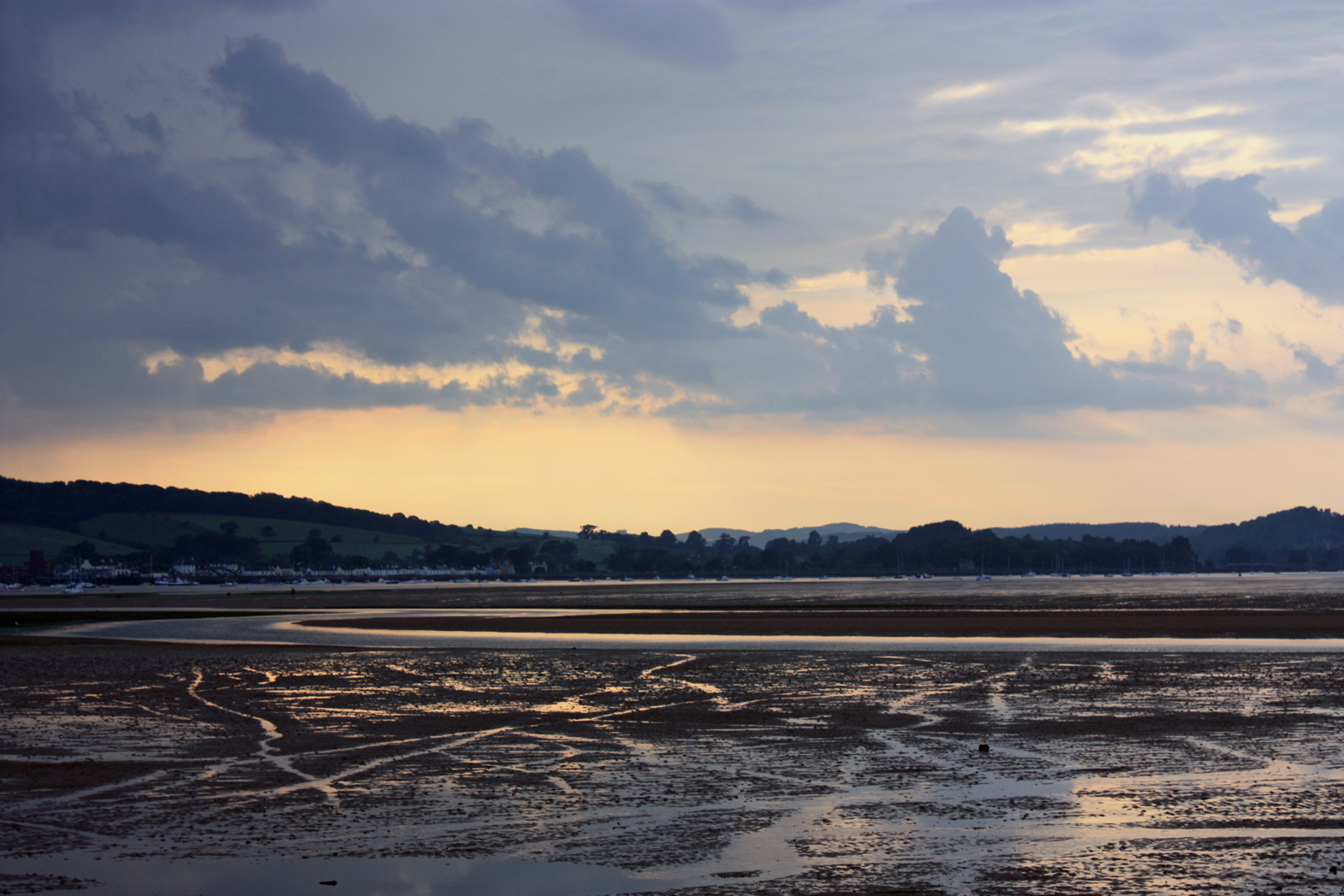
A few miles to the east is the river Otter – and yes, Otters and even Beavers have returned to the Otter!I’d like to be able to photograph them. 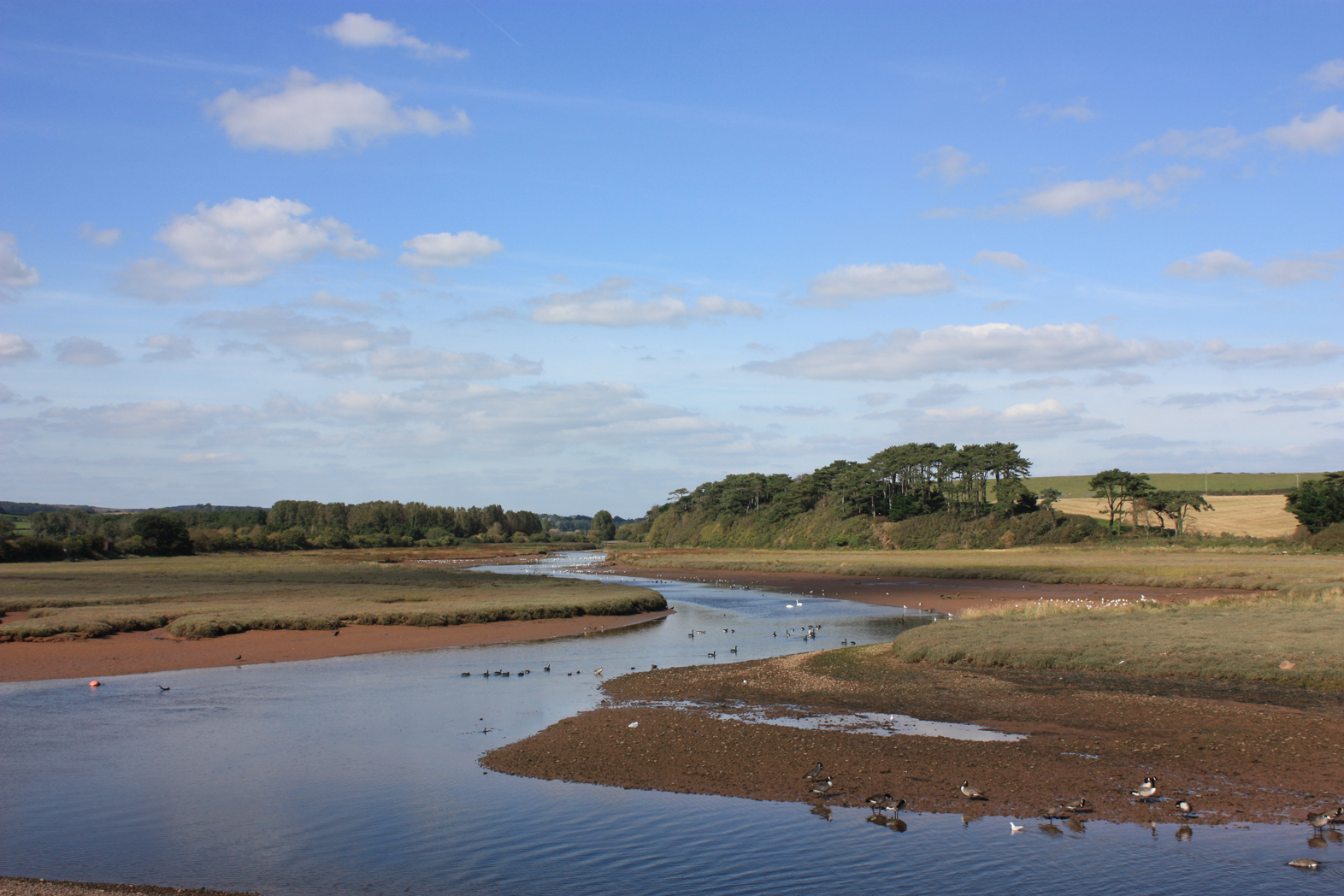
The river Avon is the furthest west, flowing into the sea near Bigbury, in the beautiful South Hams. 
The river Teign flows down from Dartmoor to the estuary between Teignmouth and Shaldon. 
The Dart also descends from Dartmoor to reach the sea at Dartmouth, via another of my favourite places, Totnes. 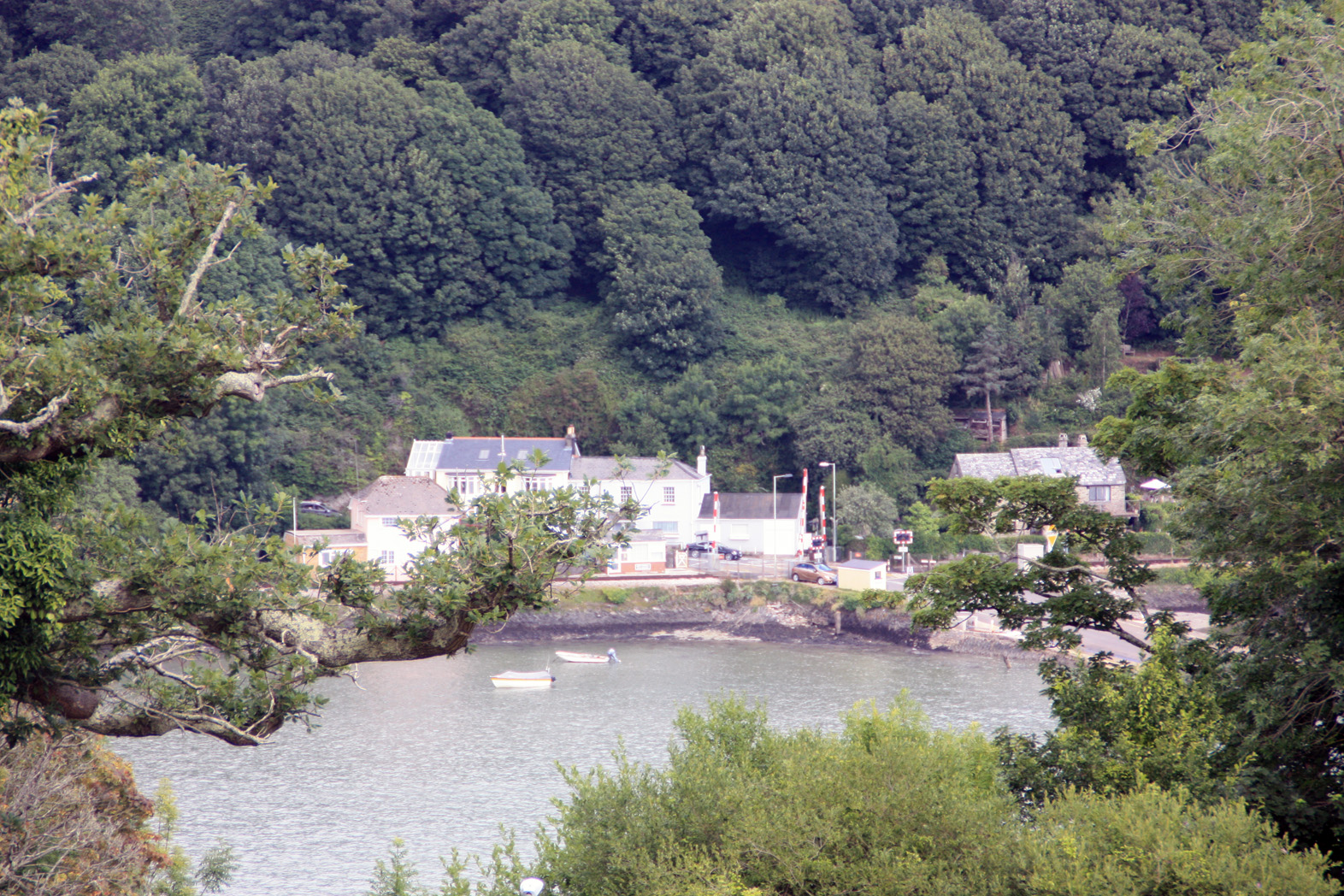
Back to east Devon, the Axe joins the sea at Axmouth, with Lyme Regis just around the corner in Dorset. 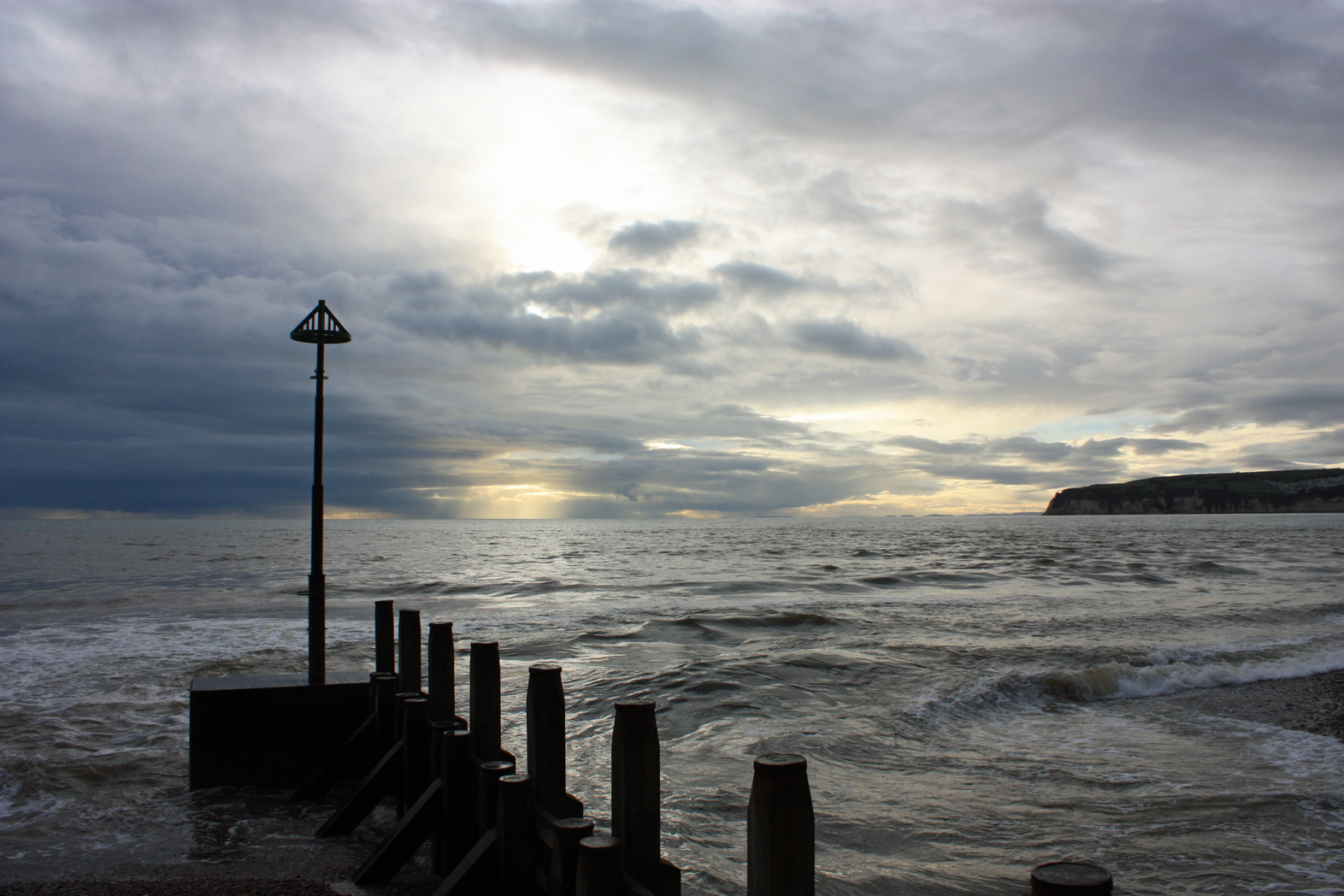
I’m going to end as I began, with the Exe. It may not be a mighty river like some around the world, but it’s my river and my soul is wrapped in it. 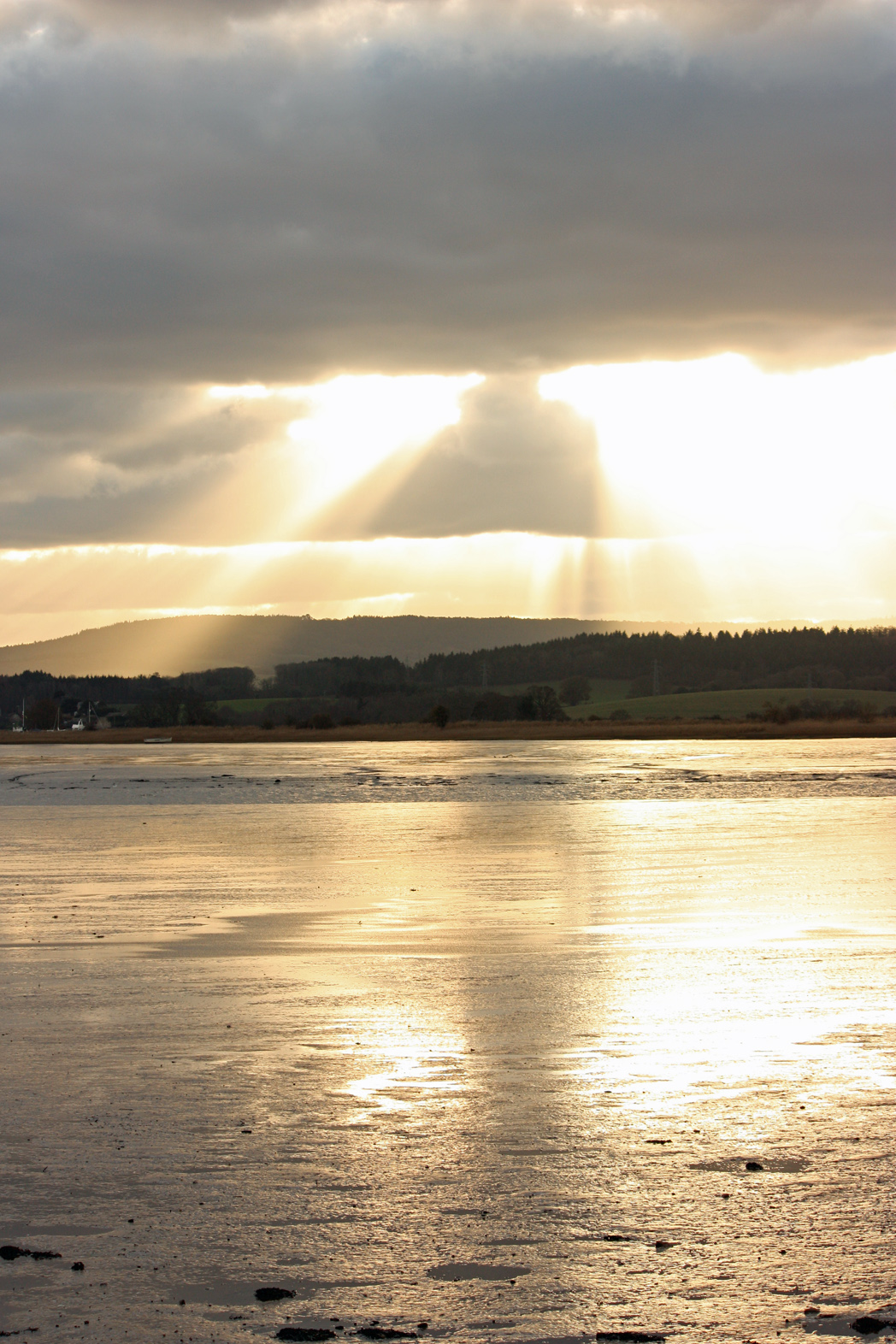
You can join in with the challenge and see lots more descents at,
http://dailypost.wordpress.com/dp_photo_challenge/descent/
Something Strange in the Neighbourhood

Today is Exeter’s 4th Halloween Zombie Walk, so camera in hand I braved the streets to bring you spectacular horrors. They were all hilarious, with some great acting, but there’s something very creepy about the clown. Click on any pic below for a bigger view.

Exeter Zombie Walk

Exetr zombie walk

Exeter zombie walk

Exeter zombie walk

Exeter zombie walk

Exeter zombie walk

Exeter zombie walk

Exeter zombie walk 2014
My vote goes to the glam zombie . . .  Do you have a favourite? How is Halloween in your town?
Lazy Poets Thursday Haiku
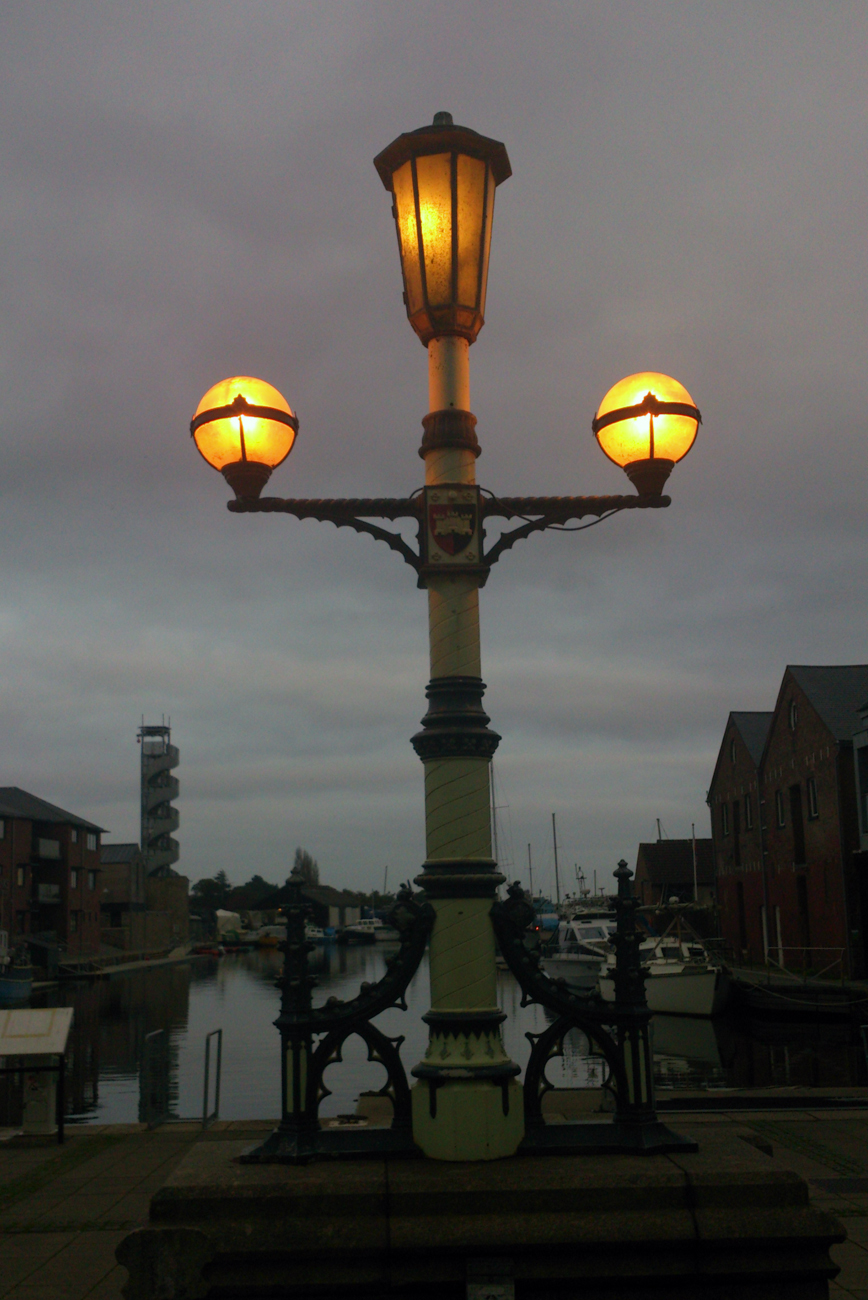
Enfolding dusk falls
but the antique lamp glows bright
warming the quayside
The Ted Hughes Poetry Trail
The much loved former Poet Laureate, Ted Hughes, spent much of his later life living in Devon, and cared deeply for the natural world and the landscape he found there. Visitors to Stover Country Park near Bovey Tracey in Devon, can follow the Ted Hughes Poetry Trail, and enjoy some of his work in a setting created to benefit the wildlife that he loved, and worked to conserve. 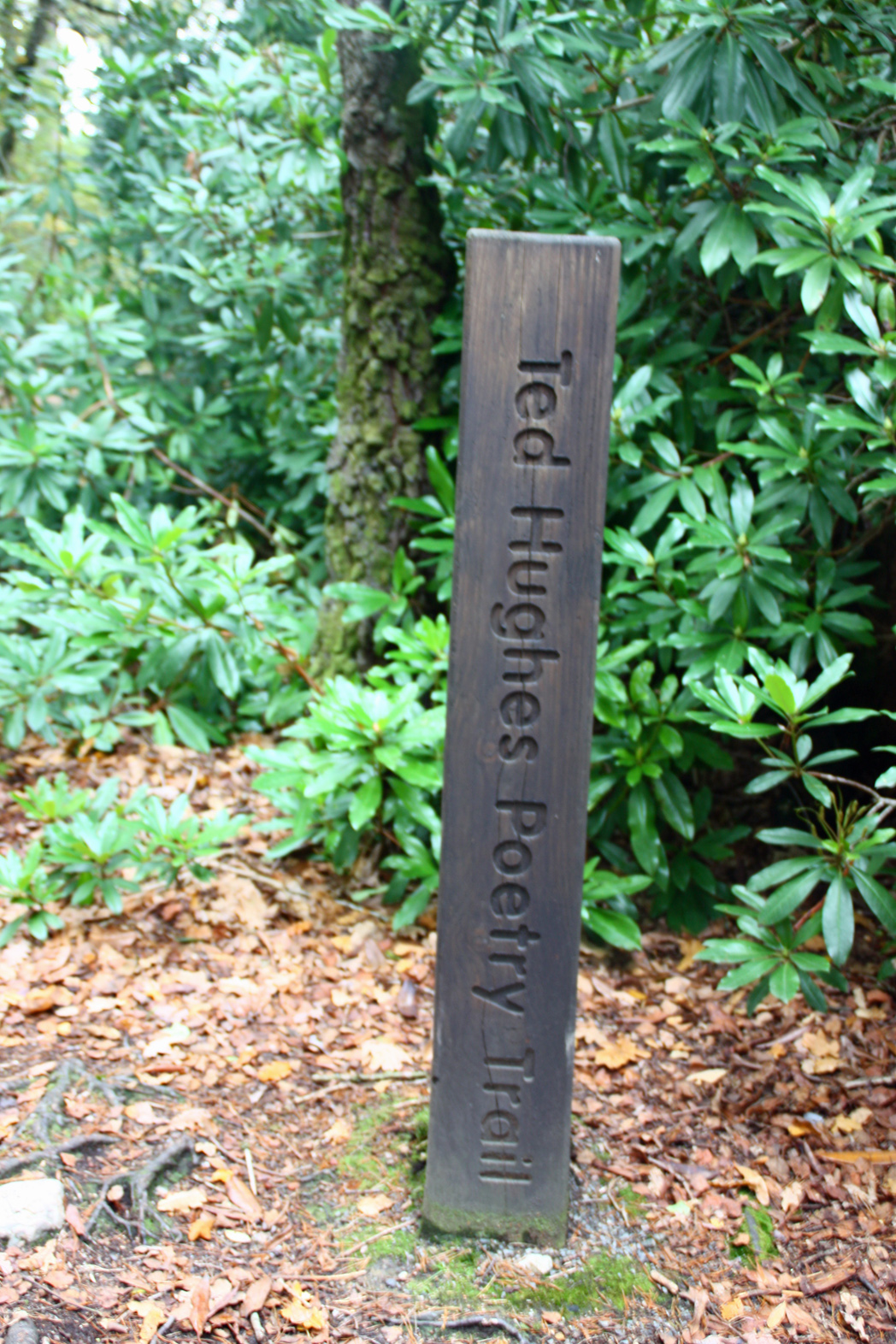 Along the two mile trail, specially designed posts display Hughes’ poems, each with a nature or wildlife theme. There is also a children’s trail, guaranteed to spark an interest in poetry. There are sixteen poetry posts and the walk takes about two hours, longer if like me, you’re on a photography walk as well!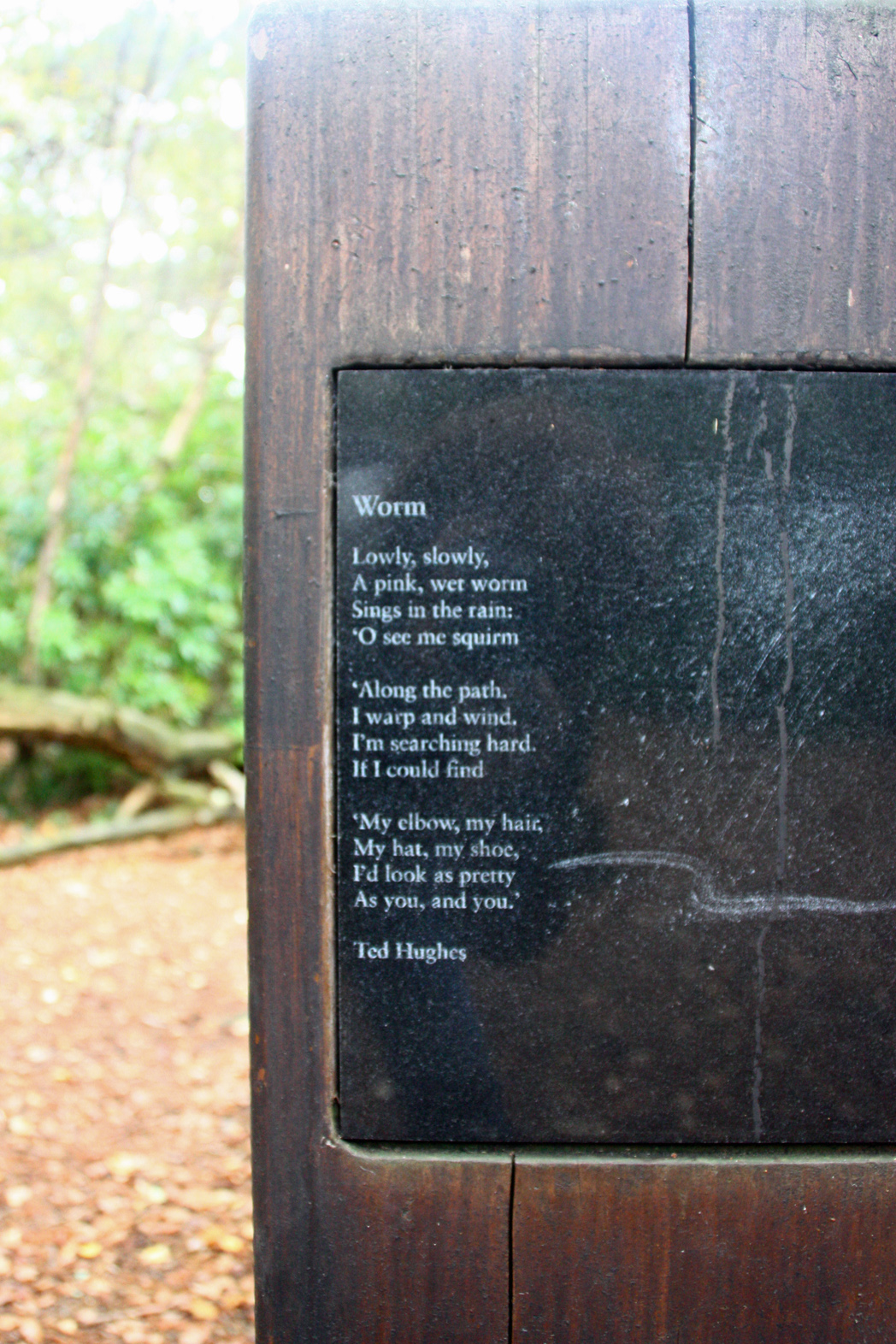

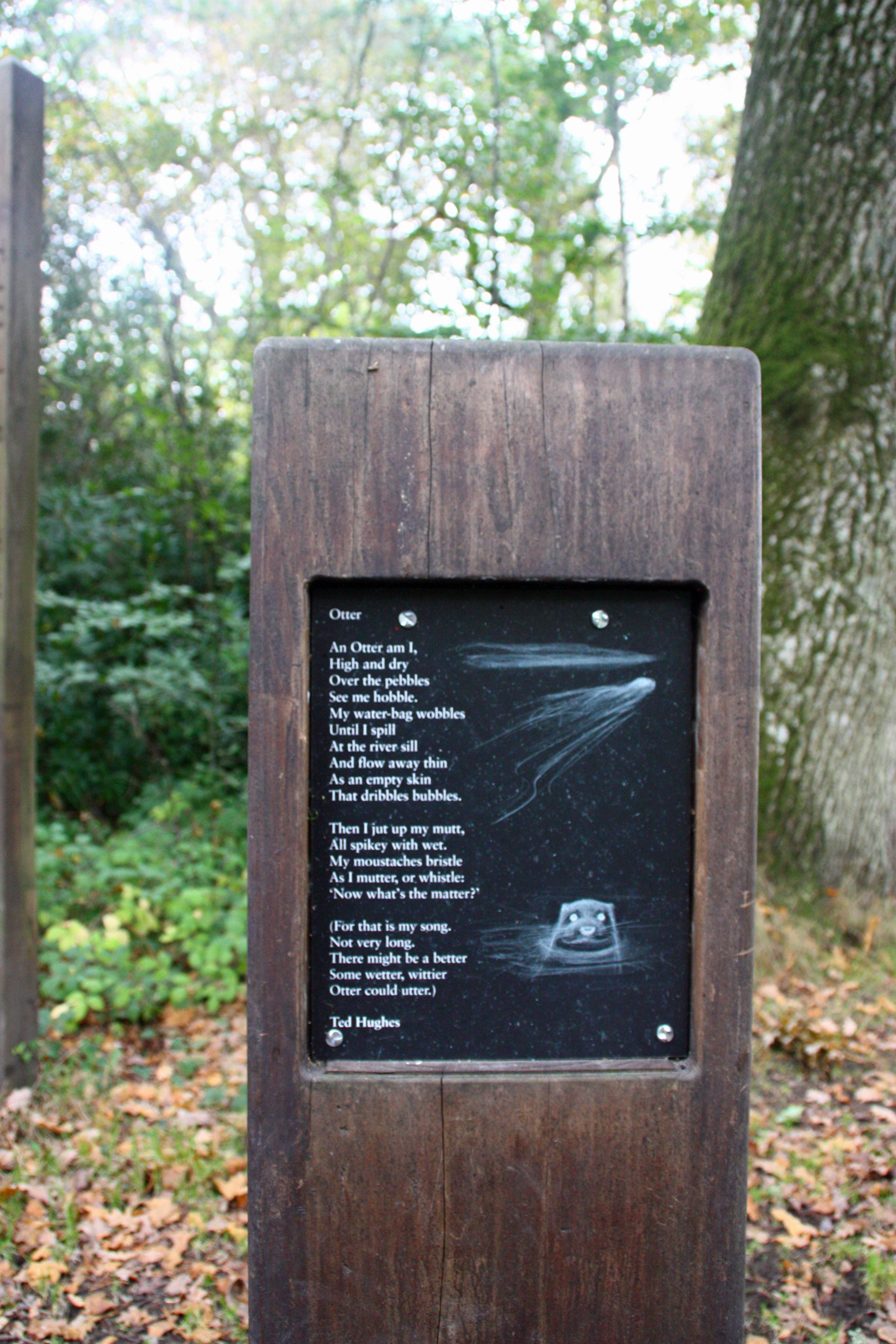 Some of the Ted Hughes poems around the trail are An Otter, A Cormorant, Nightjar, Trees, The Lake, The Kingfisher, The Thought-Fox, and Dragonfly. I didn’t see all sixteen, so I’ll have to go back!
  There are beautiful wood carvings, and the constant sound of woodland and water birds, with little rustlings and shufflings in the woods to keep you company.
  Ted Hughes found the countryside inspiring and his unique voice continues to inspire both adults and children. If you don’t know his work, I hope you will try to discover it, especially the poem ‘ The thought Fox’, you can hear him reading it on the poetryarchive.org this is what he said about it.
Long after I am gone, as long as a copy of the poem exists, every time anyone reads it the fox will get up somewhere out in the darkness and come walking towards them.
Wordless Wednesday
 Lucid Gypsy