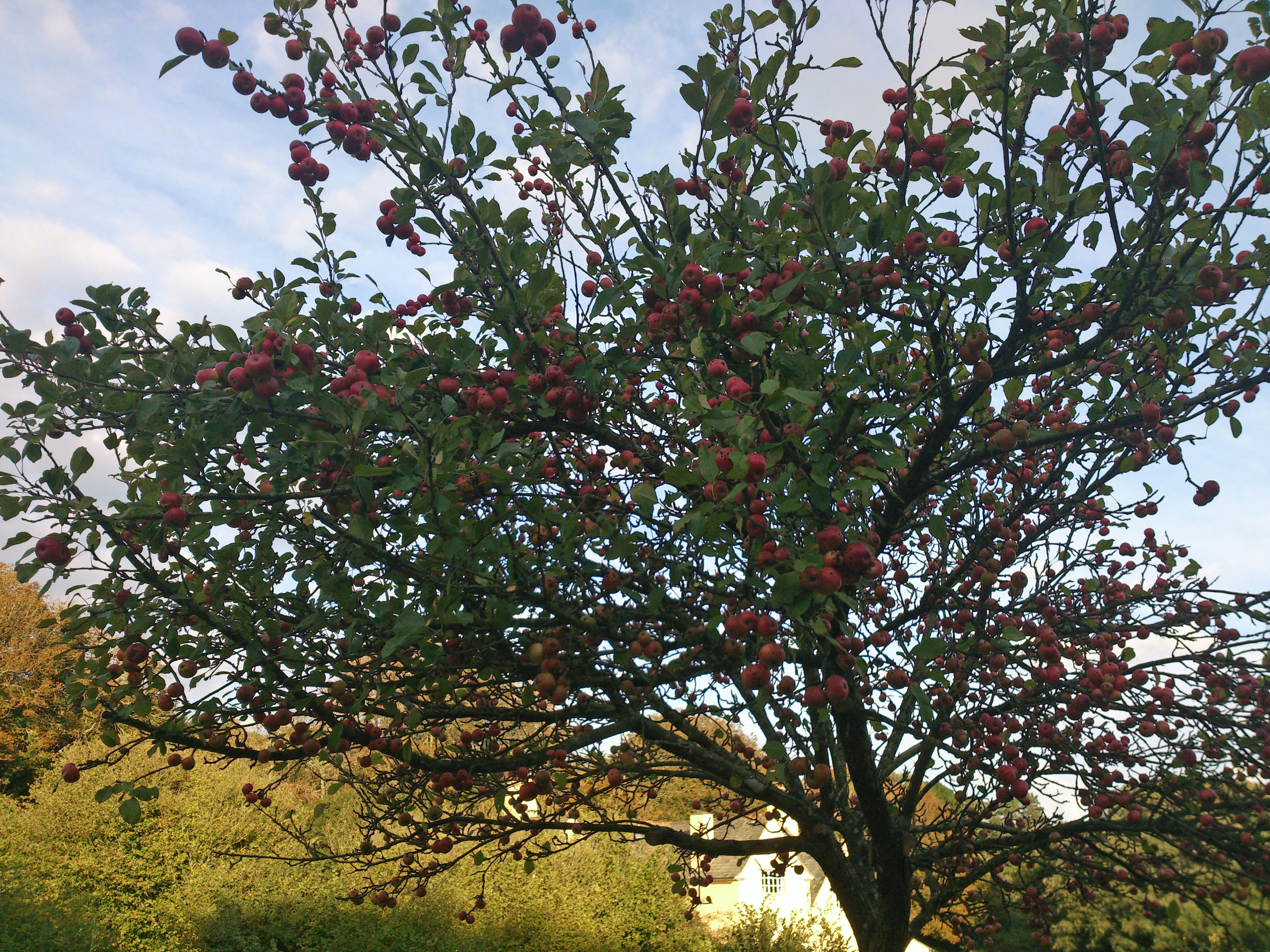
Apples
Boughs laden with red
Tom Pots and Worcester Pearmain
apples for bobbing
Come away with the raggle taggle gypsy-o
Apples
Boughs laden with red
Tom Pots and Worcester Pearmain
apples for bobbing
So many of you were interested in yesterdays picture for ‘stone’ that I felt I had to show you a little more of the building.


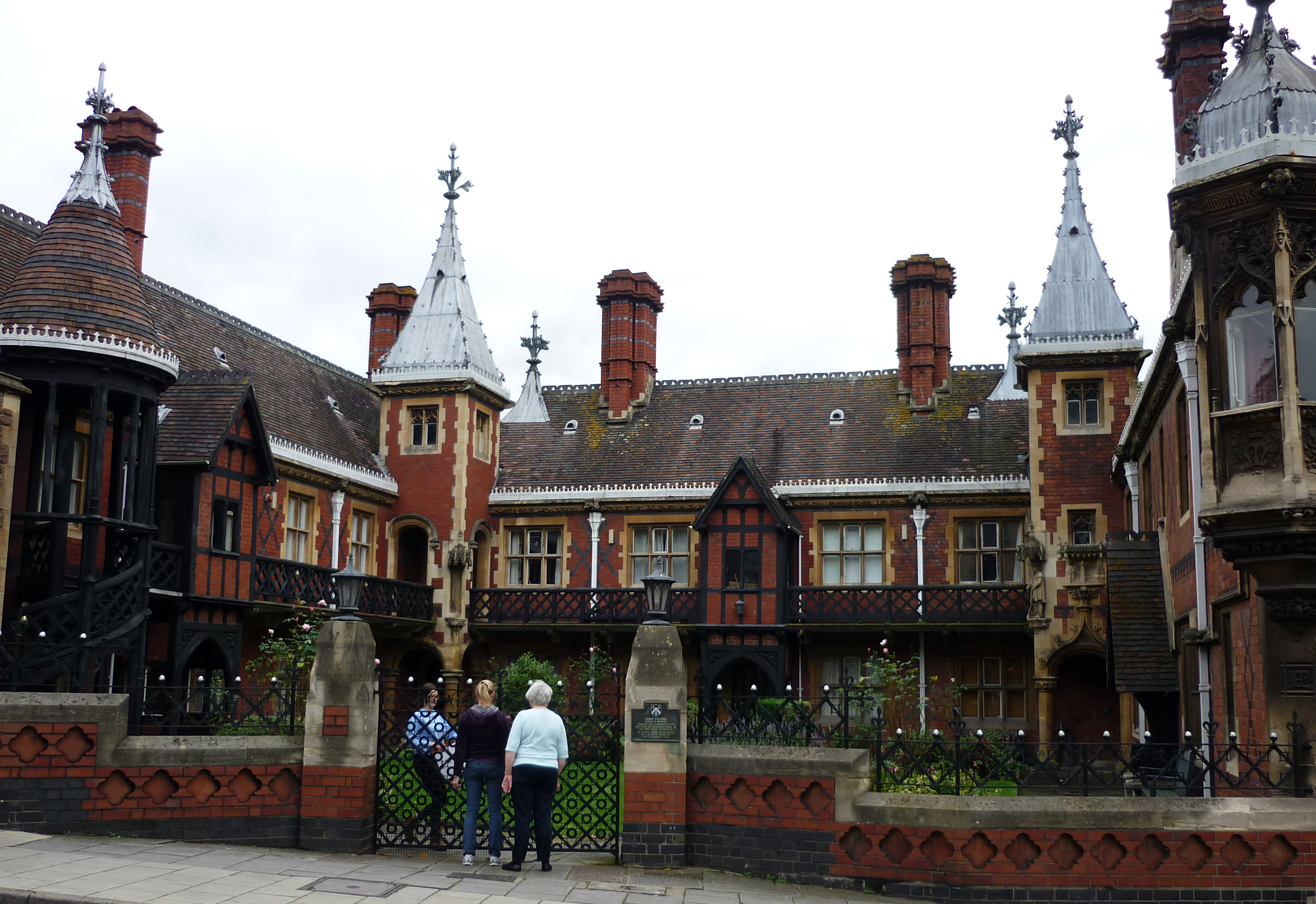
Aren’t they pretty? And thanks to Nikki for adding this link to Facebook,
http://www.about-bristol.co.uk/out-03.asp
I was wandering through the streets in the old part of Bristol today with some friends and we came across some pretty almshouses. The were behind closed gates so it was difficult to get a good view but these stone carvings were set in the brick on the first floor. They are the Magi, carrying their gifts of Gold, Frankincense and Myrhh.

I thought they were perfect for Ailsa’s challenge this week.
If you would like to join in or see some other interpretations visit her at http://wheresmybackpack.com/2013/10/25/travel-theme-stone/
It was difficult to avoid a sunset and sea photo for this weeks challenge but eventually I found this one. Over in Suffolk, if you walk south along the beach from Lowestoft you will find this church. It was something I’d never seen before, a church on a beach so even though the light was dull I snapped it for the memory.
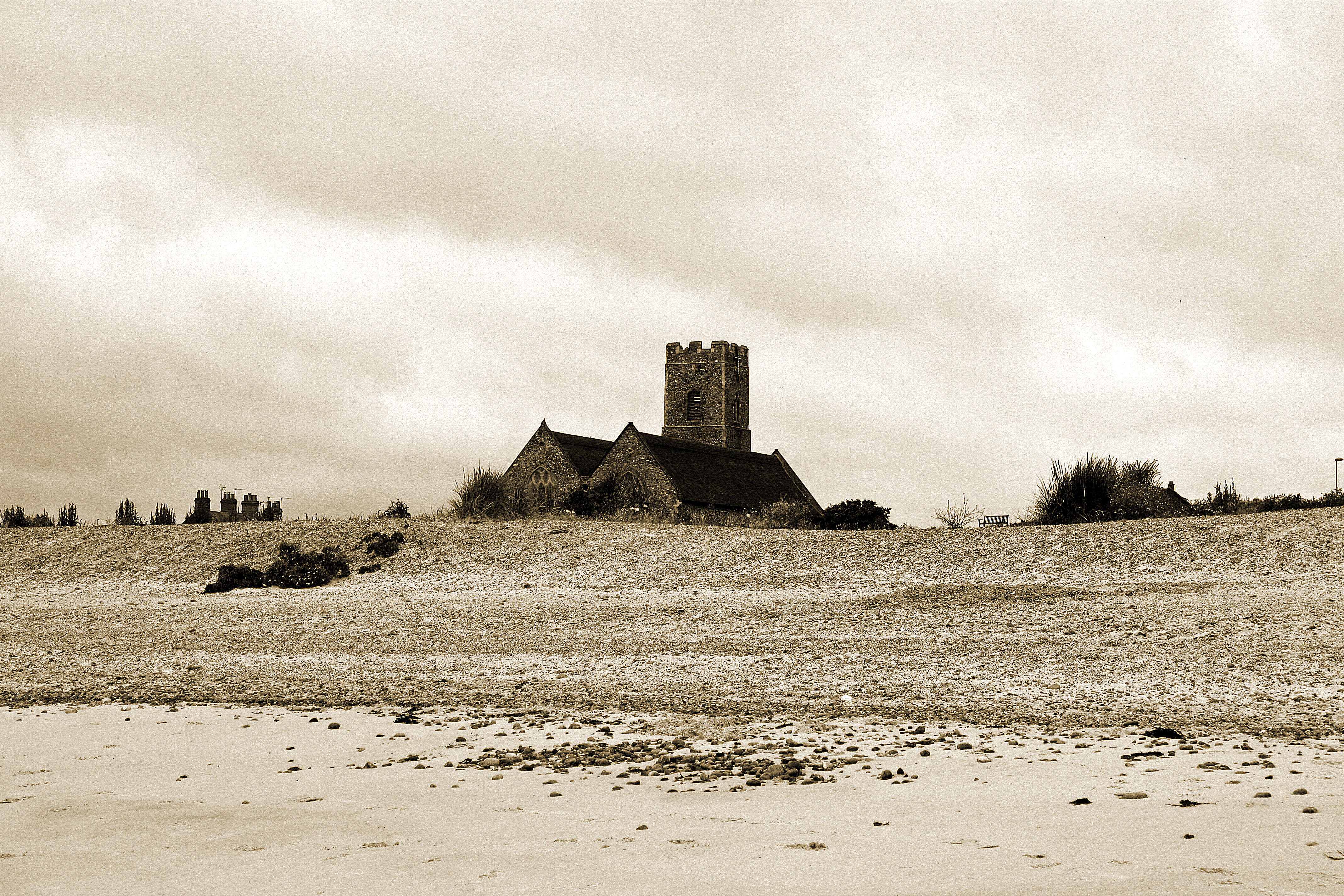
I’m sure you can come up with a much better horizon, so why not post it at
http://dailypost.wordpress.com/2013/10/25/weekly-photo-challenge-horizon/
I followed last Saturday at Coleton Fishacre by spending Sunday at Knightshayes, but as I was there for a craft fair, I only had time to wander in the kitchen garden. Still, there was lots to see for October and it didn’t rain until I went back inside (after having a conversation with the geese).
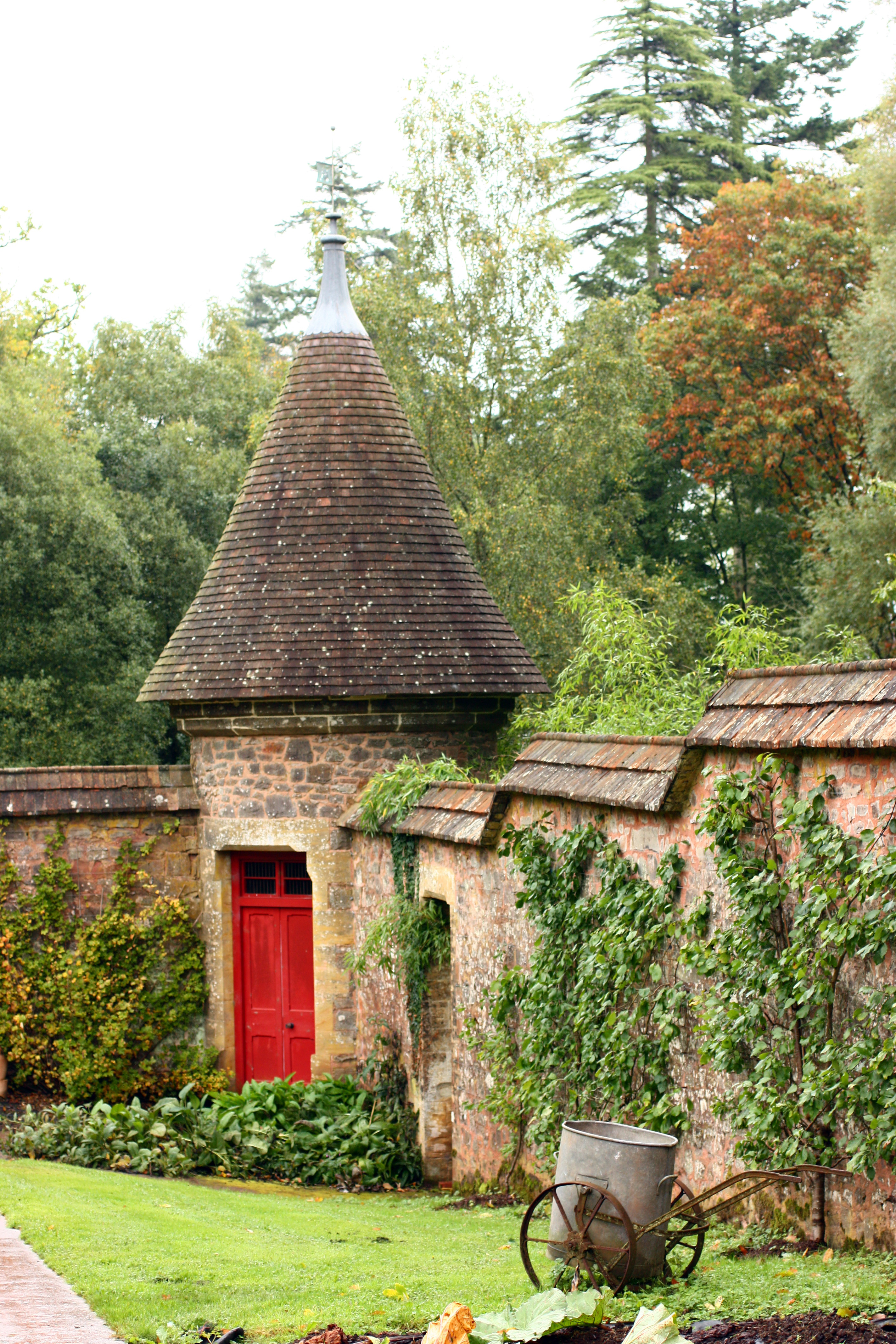
Heading for the walled garden
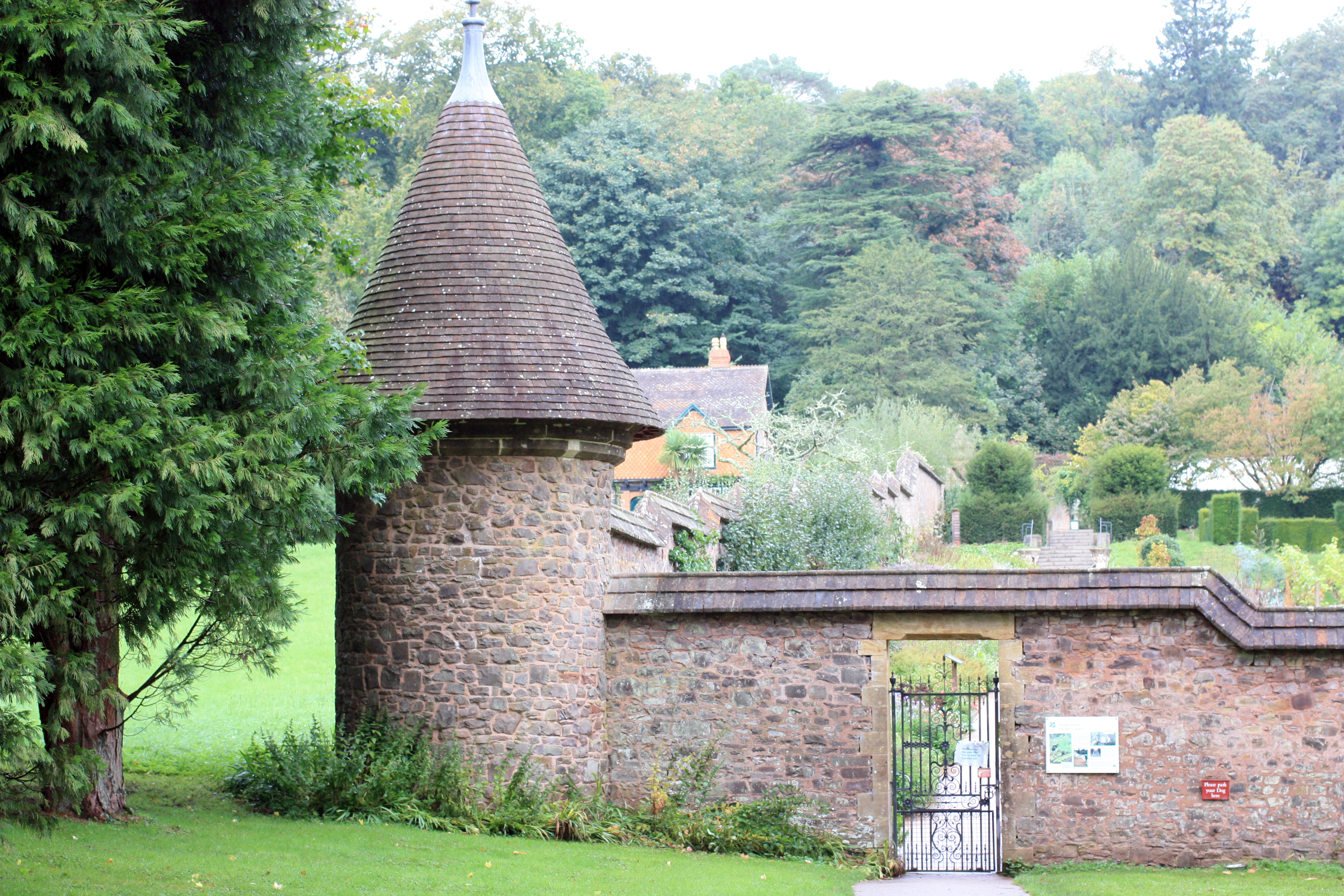
One of the little turret corners
Mixed borders

They had beans for sale but I’m not a fan of runners!

Handsome rhubarb forcing pots
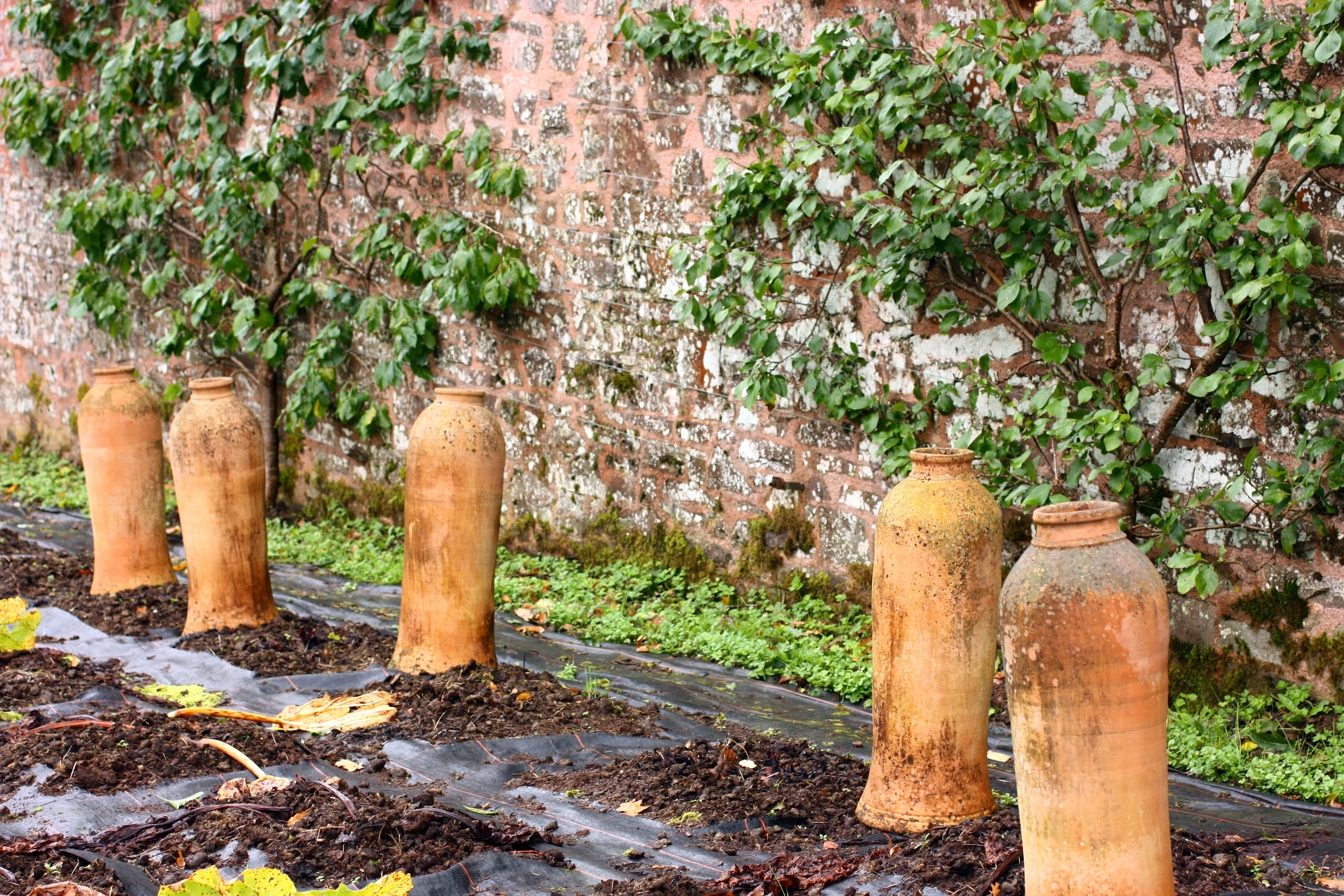
They make a rose wine with these and the green grapes they grow

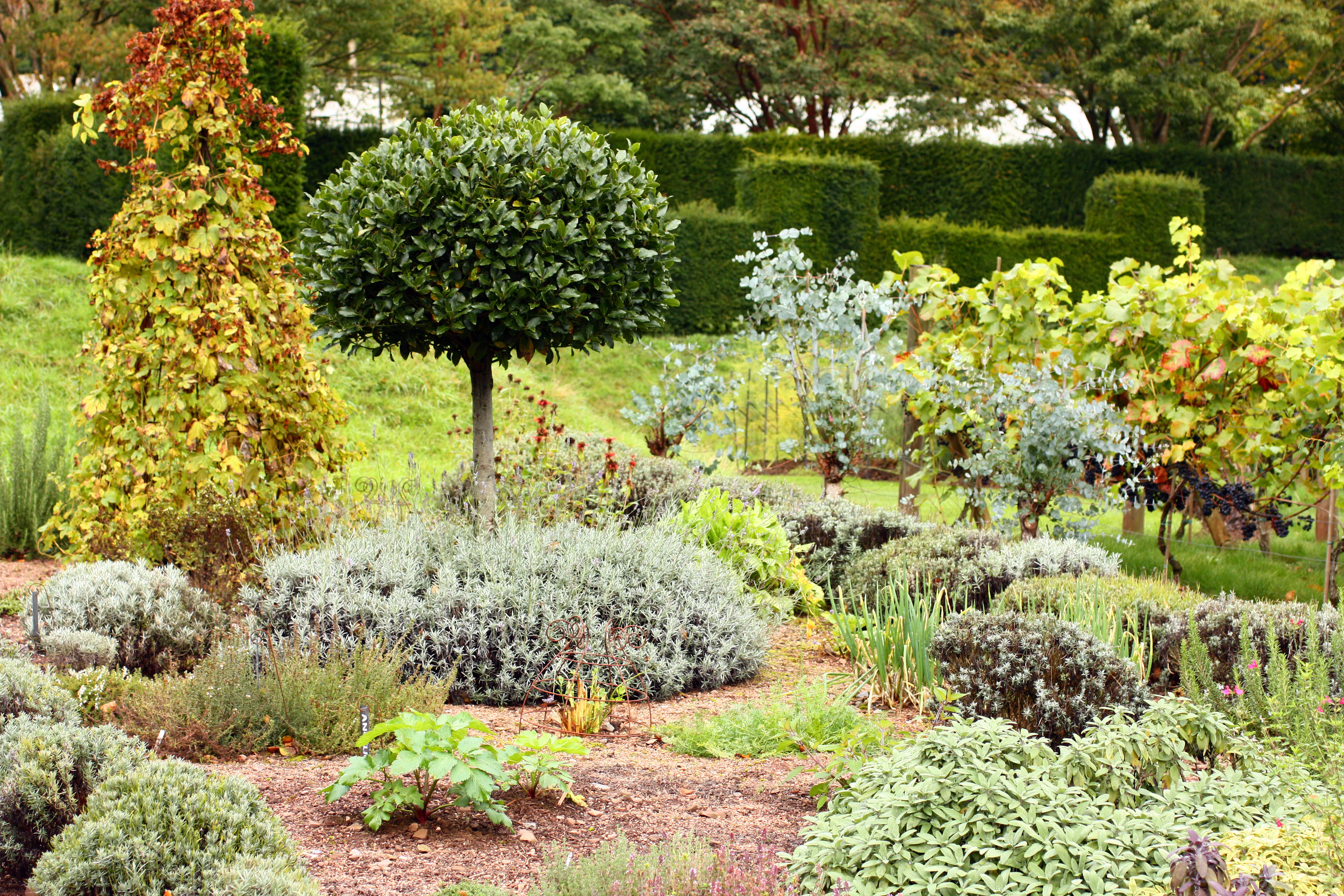
Herbs, vines and hedges
Looking back towards the grounds

The stable blocks . . .

. . . that now house the main shop, restaurant, and second hand book room. Twice a year the Mid Devon Craft Guild have a fair in the room on the left for two weeks, thats where my friend and I spent the day.
Knightshayes Court is a Victorian Country house owned by the National Trust. The house is beautifully decorated, I don’t know if I will be able to take photos, but I’ll go back in spring to see it again as well as the main garden which has more than 1200 plant species.
After many years of visiting National Trust properties I have finally become a member so for the next year I’ll be featuring the places I enjoy.
related posts
https://lucidgypsy.wordpress.com/2013/04/12/bucklands-newest-old-treasure/
https://lucidgypsy.wordpress.com/2013/09/04/a-killerton-evening/
https://lucidgypsy.wordpress.com/2013/03/30/an-easter-day-out-saltram-house-devon/
https://lucidgypsy.wordpress.com/2013/09/04/a-killerton-evening/
https://lucidgypsy.wordpress.com/2013/04/21/bucklands-small-treasures/
https://lucidgypsy.wordpress.com/2012/11/09/agathas-greenway/
What could possibly come between asked Christine, commenting on my post yesterday. So, so many things but I’ll try not to overload you all!
The people who discovered this valley by the sea were none other than the D’Oyly-Carte’s, best known for their company that staged Gilbert and Sullian operas and as owners of the Savoy hotel.It was Rupert and his wife Lady Dorothy that built Coleton and planted its beautiful gardens with a mix of rare and exotic plants that wouldn’t usually grow in our English climate.
The house has a stunning art deco interior – sadly photos were not permitted inside the house, but it was gracious, elegant living at its best. A family home in the country with ample space for house guests, each room had a view over the gardens and some of the sea beyond.
Here are some of the vistas and peep betweens that have evolved.
The D’Oyly-Carte’s had two children, Michael who died in a car accident at twenty-one in 1932 and a daughter, Bridget. In 1941, Rupert divorced Dorothy and Bridget took over the house. Dorothy moved to the Bahamas with her new man and Rupert continued to visit the house at weekends until his death in 1948.
The dream ended, Bridget sold the house after her father’s death and a number of years in private ownership, it became a National Trust property in 1982.
So, we can all see it, we can stroll along the paths, gaze out to sea and enjoy the wonderful garden, surely one of the best in the country.
Here are some of the plants, holding up well in mid October.


I hope you enjoyed my day out at Coleton Fishacre, I’ll be going back in the spring to see what’s blooming and for another nice lunch and cake break.
Imagine yourself ninety years ago. You find yourself sailing past one of the loveliest parts of England, an unspoilt valley by the sea in Devon. You decide you have to buy it and have the architect Oswald Milne design your perfect country house.


The house was built so that all the main rooms faced south and once it was complete Milne, who was Sir Edward Lutyens assistant designed the hard landscape.


The stone was quarried on the land and the landscaping even included channeling a stream through a rill, damming to form pools before it returned to its natural state in the lower slopes of the valley.
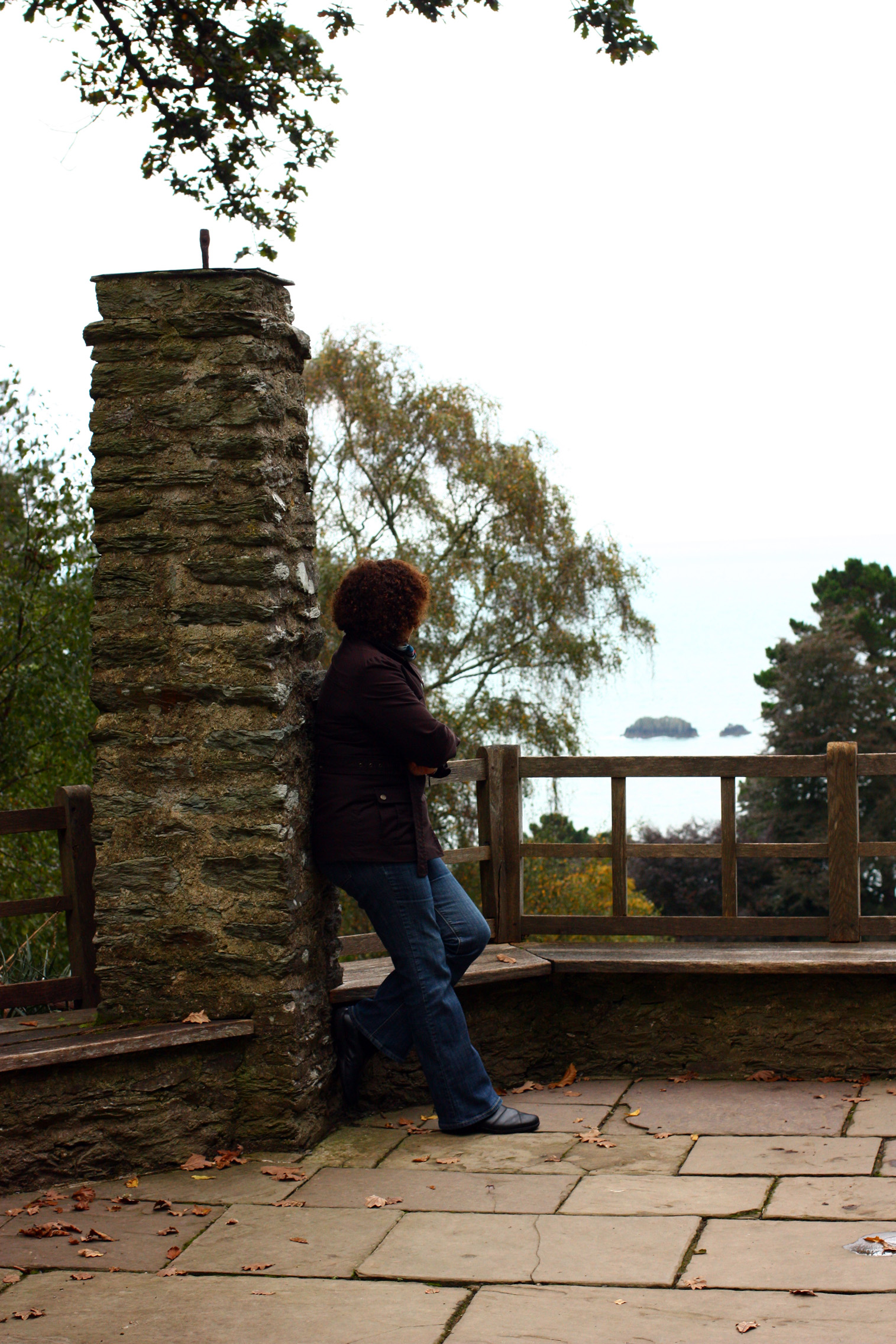
Stand and enjoy the view,
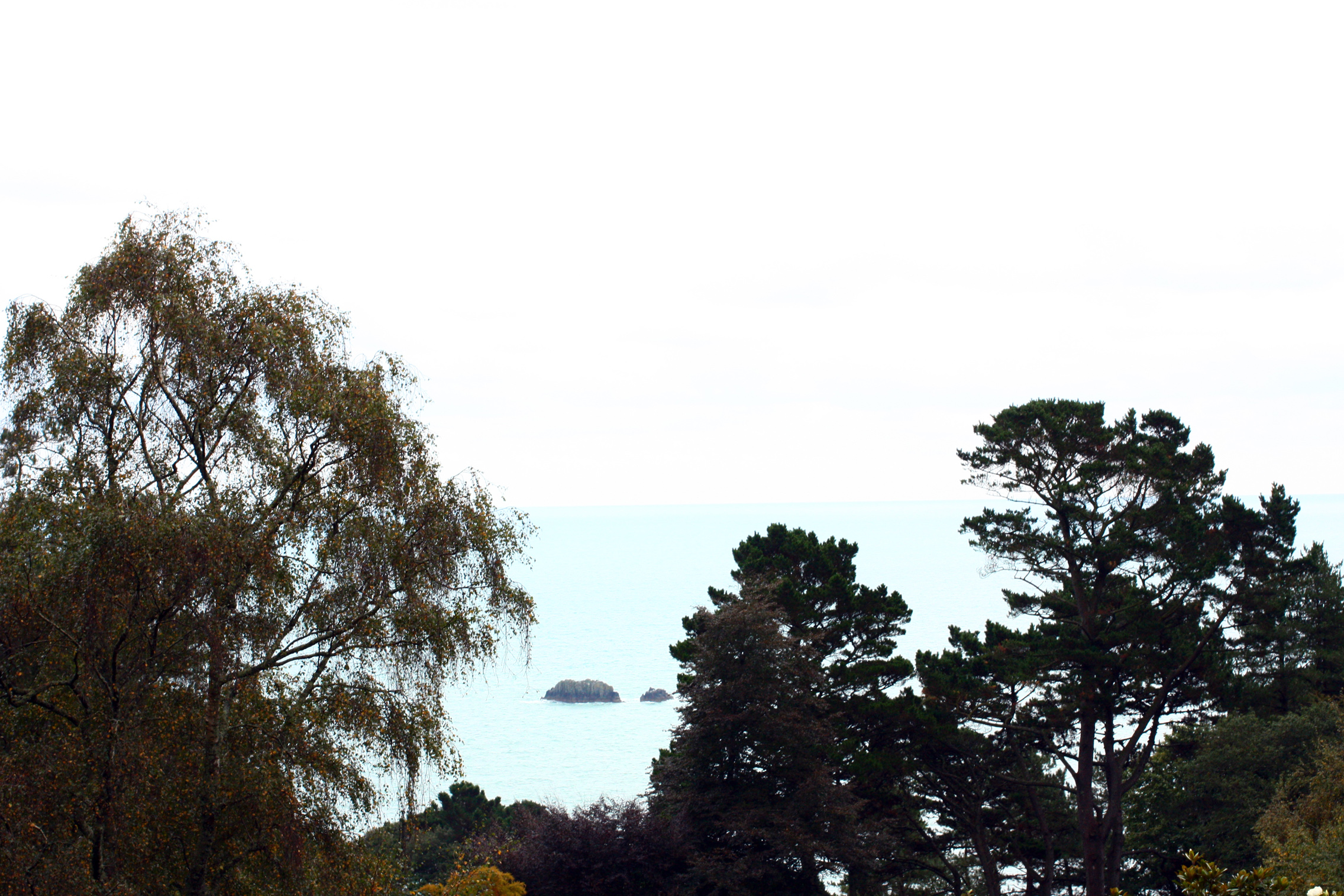
your own private beach lies below.
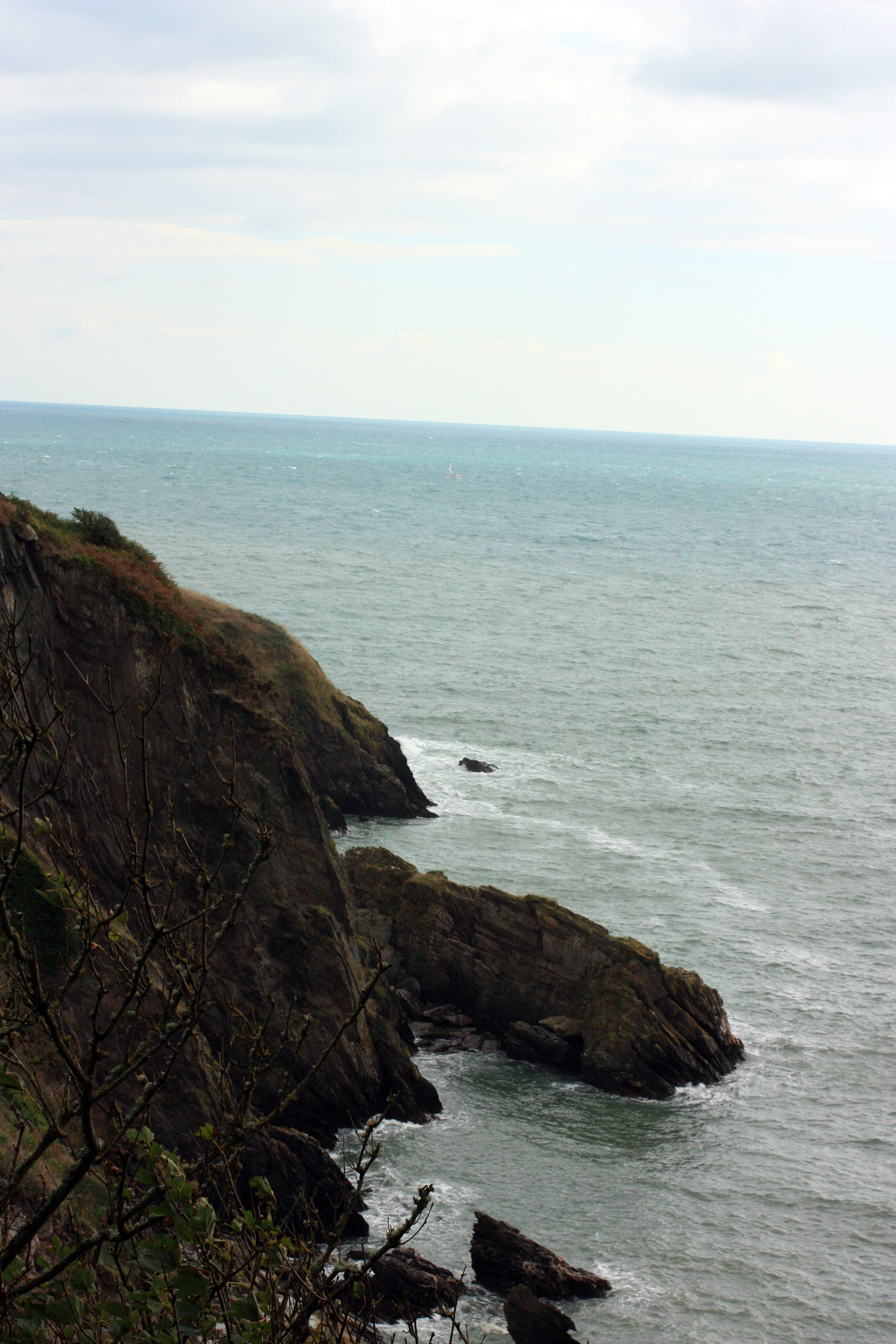
and all the while your paradise is being planted with a sheltering belt of Monterey pine and holm oak that will eventually create a micro climate.
One day your paradise will be filled with fragrant and exotic plants, flowers so colourful that everyone will want to see it.
Tomorrow perhaps I’ll show YOU how it turned out.
I spent the day exploring with a friend today and turning right too soon led us to Galmpton Creek, sleepy on a Saturday but a nice diversion. It’s on the river Dart and Dittisham can be seen in the distance.


The last stop was at Shaldon beside the river Teign estuary, more boats and a lovely evening light.


Tomorrow I’ll try to show you the space between!
. . . stretches for 95 miles from East Devon and all along the Dorset coastline. It isn’t just Jurassic, parts are Triassic and Cretaceous, each with different rock types. It’s a fossil hunters paradise, especially after one of the frequent landslides, with Charmouth and Lyme Regis areas the most likely places to find a little gem.
My end of the Jurassic coast is Exmouth, the furthest point West, where we have red sandstone that stretches along past a couple of estuaries and then abruptly changes to chalk at Beer and Lyme Regis. At Lyme you can look one direction and see chalk cliffs and east towards Charmouth, where the fresh landslides reveal fossils, in soft dark, grey, rock that feels almost like clay at times. Chalky stuff returns at Durdle Door and Lulworth.

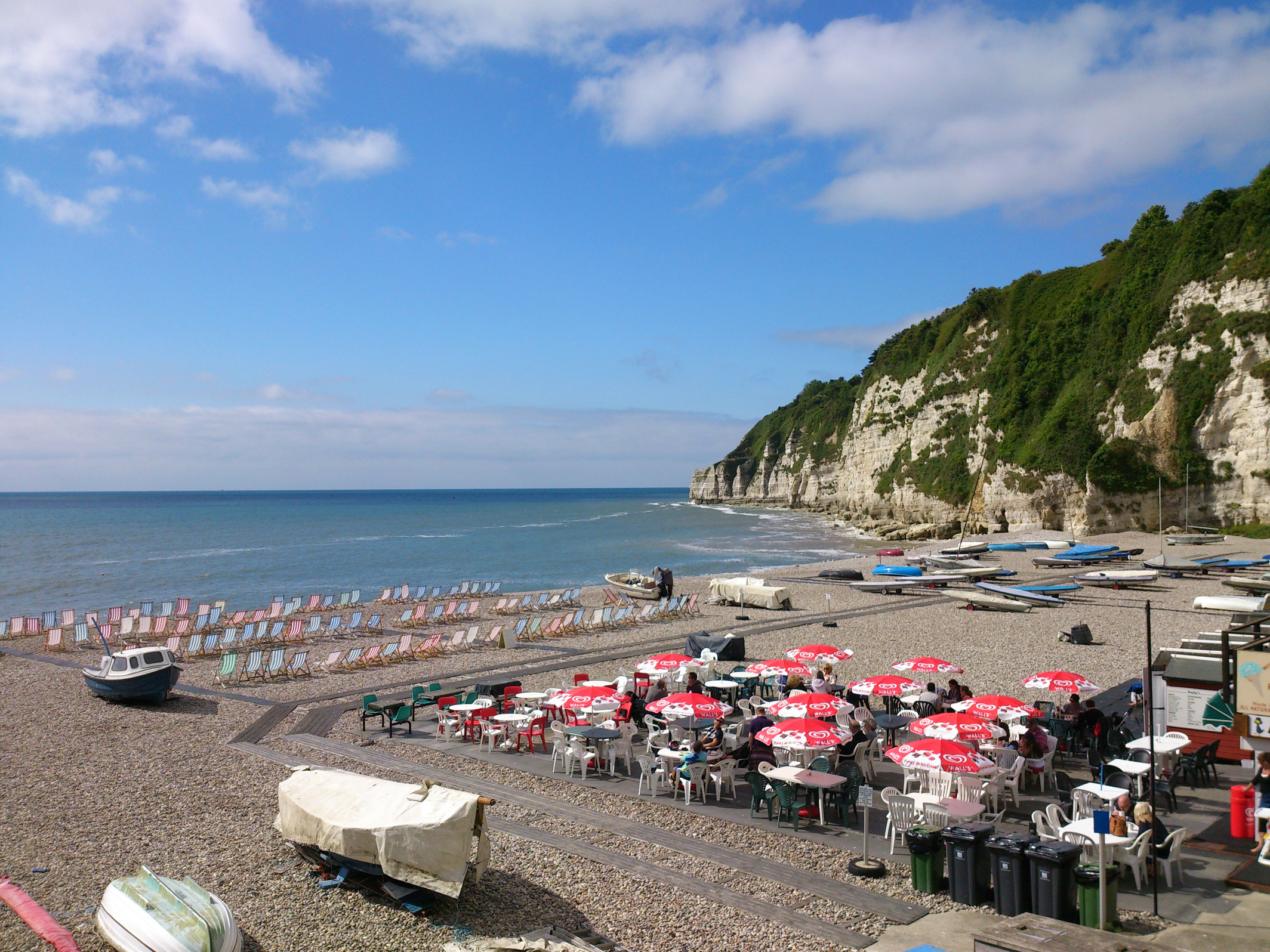
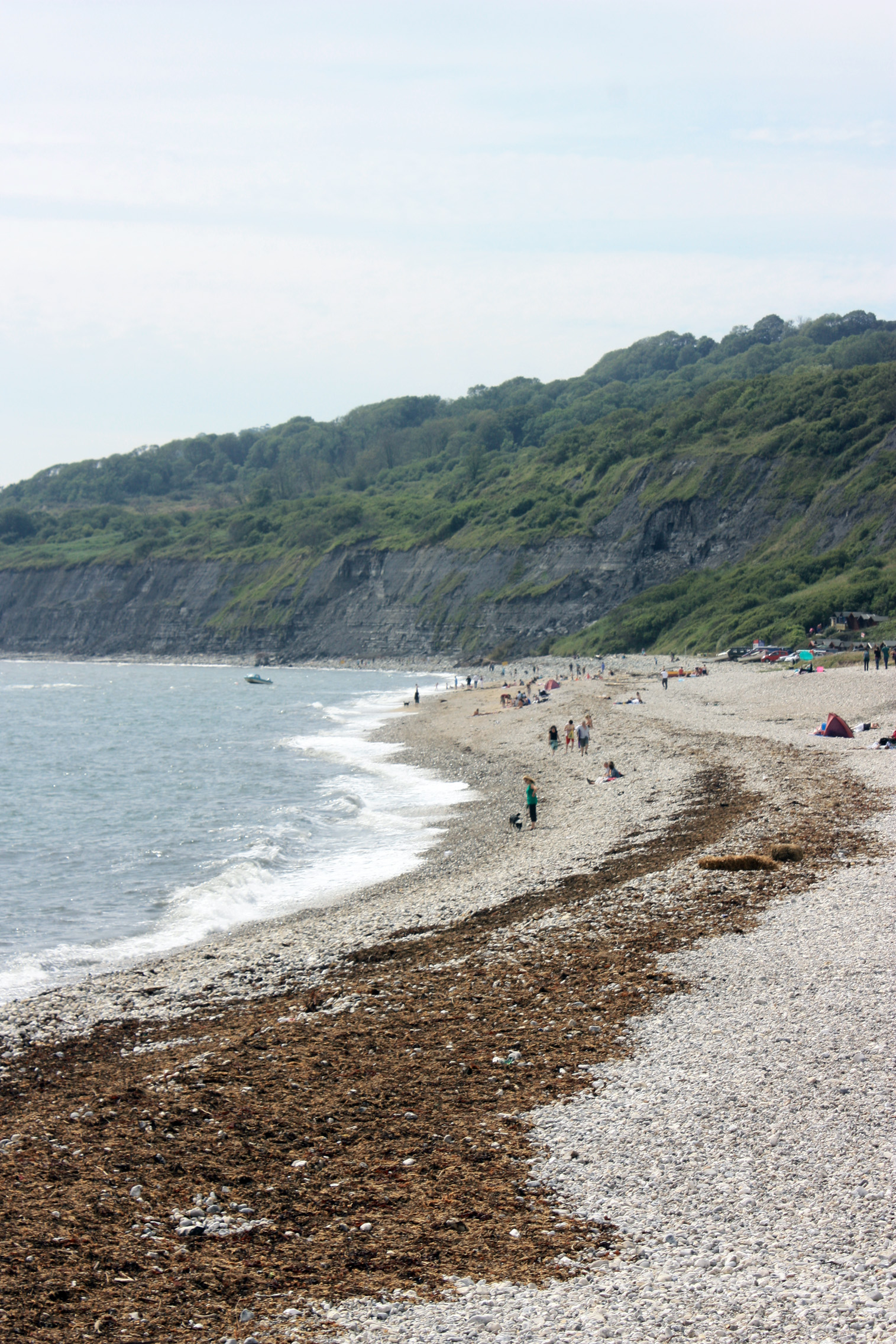
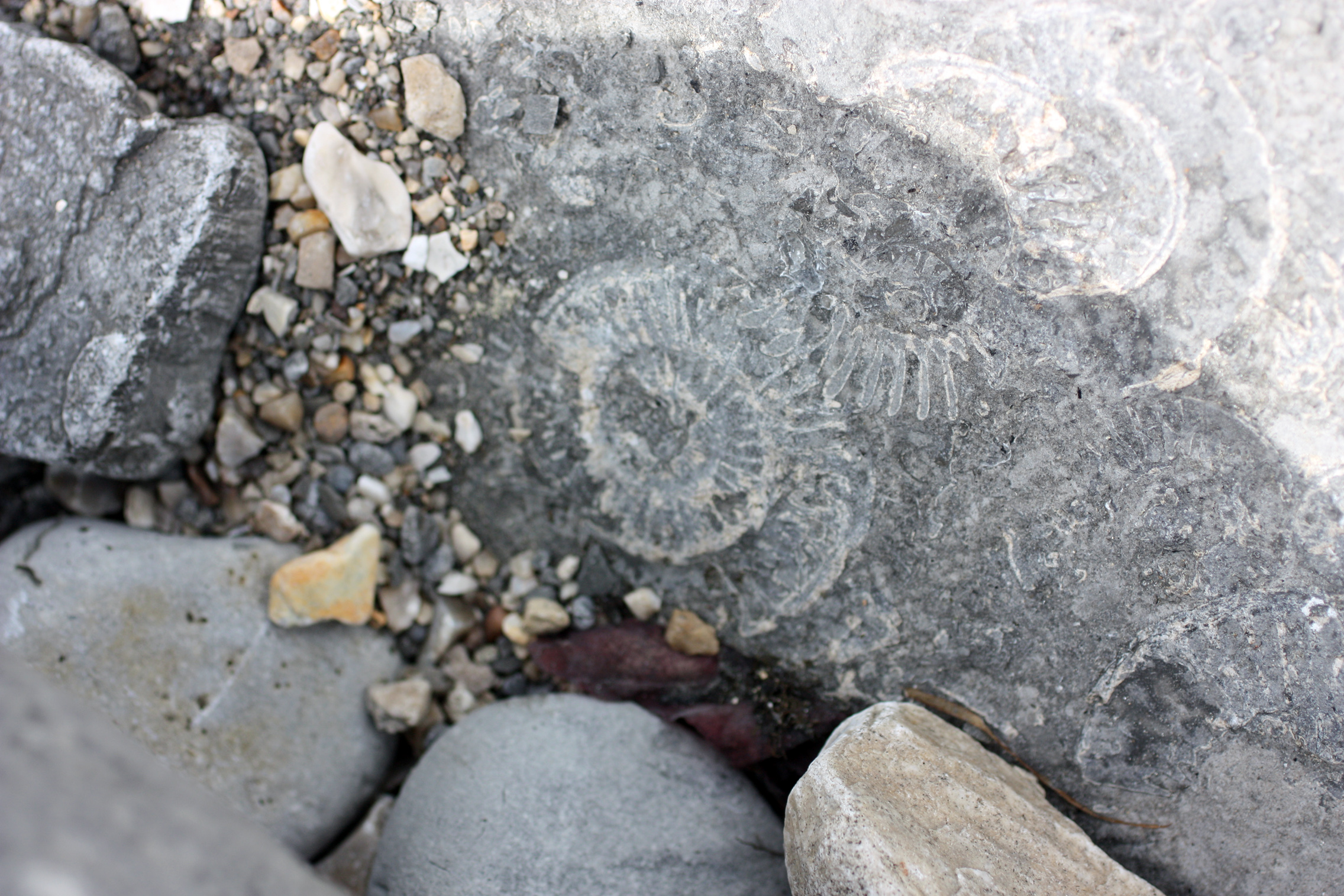
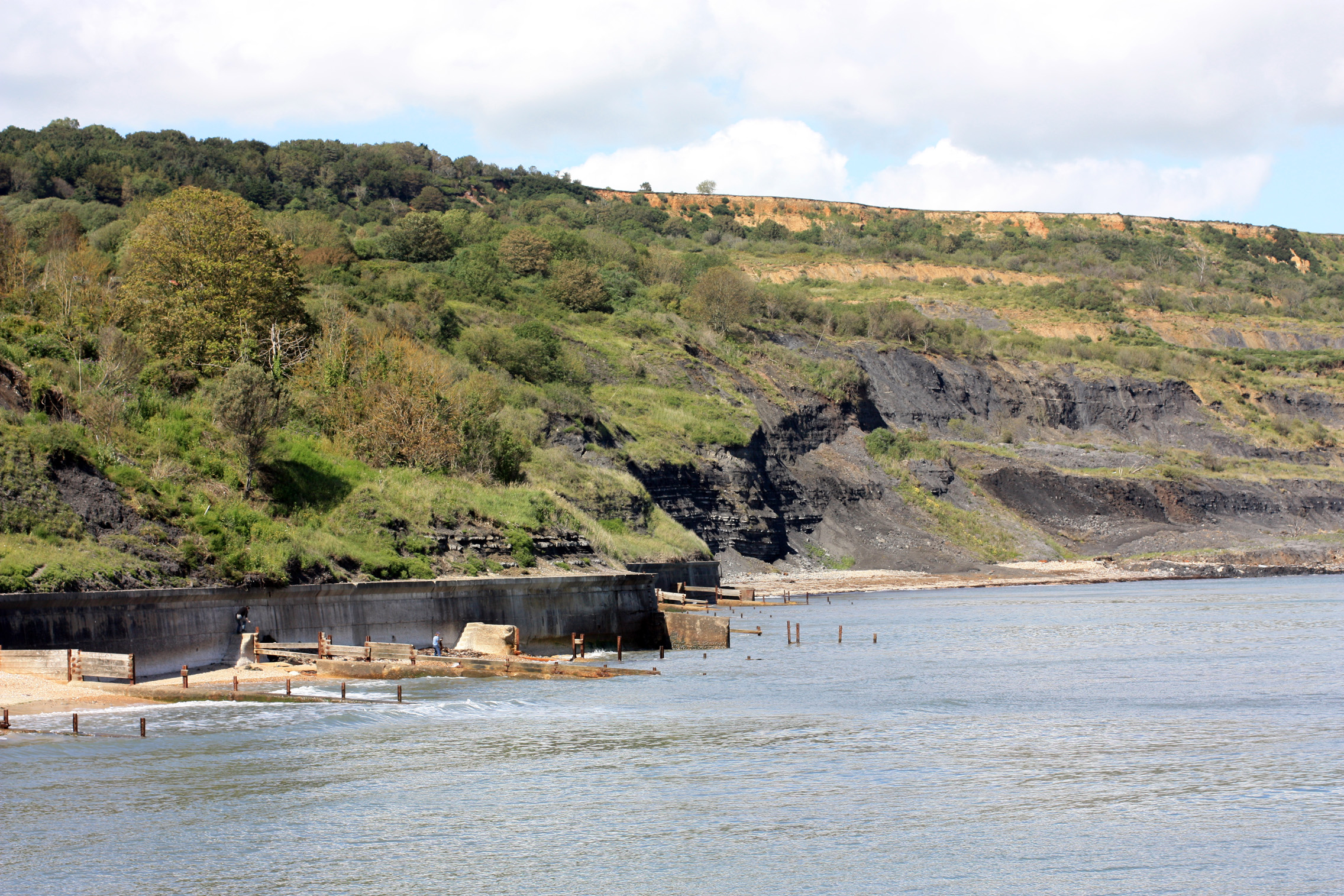
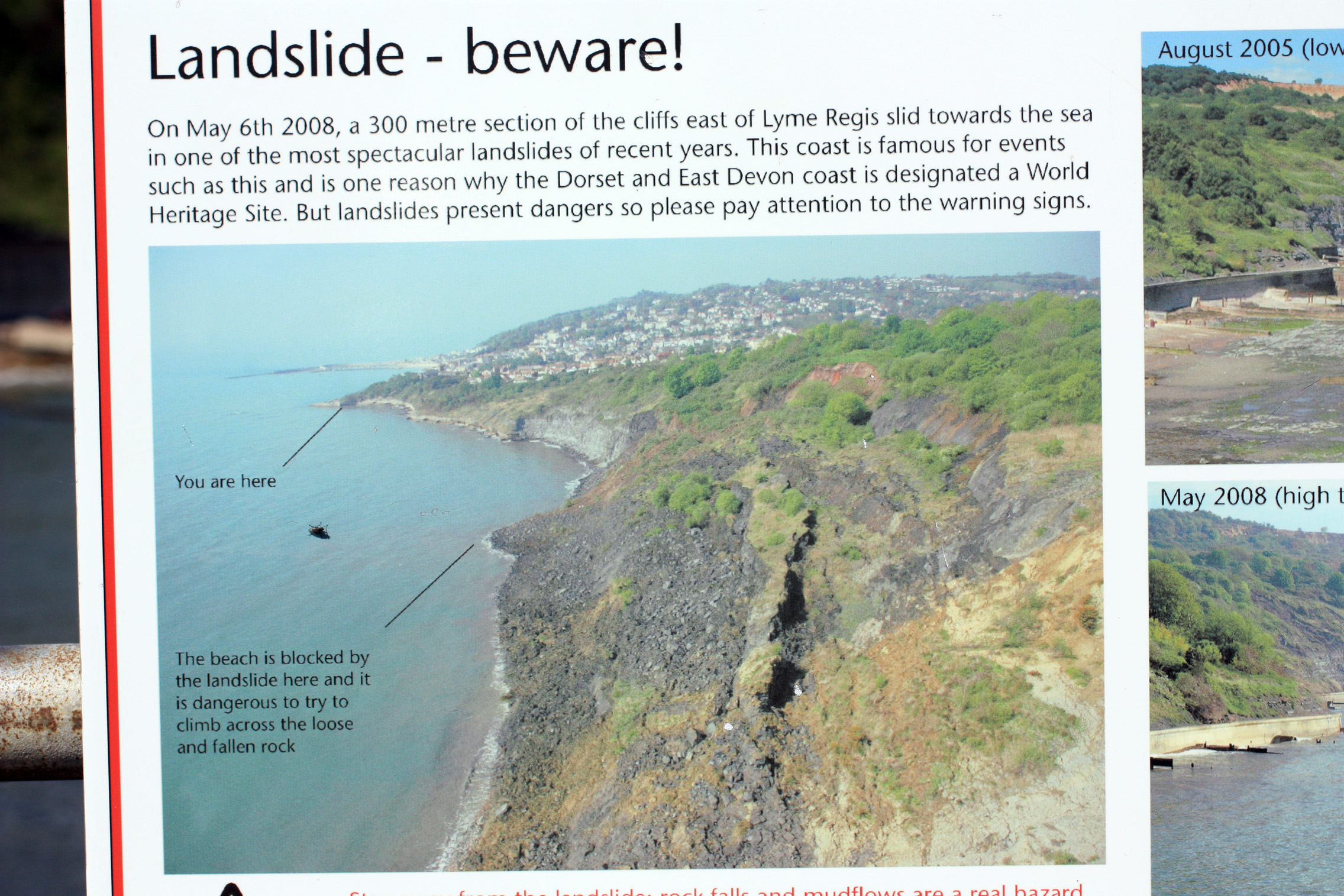
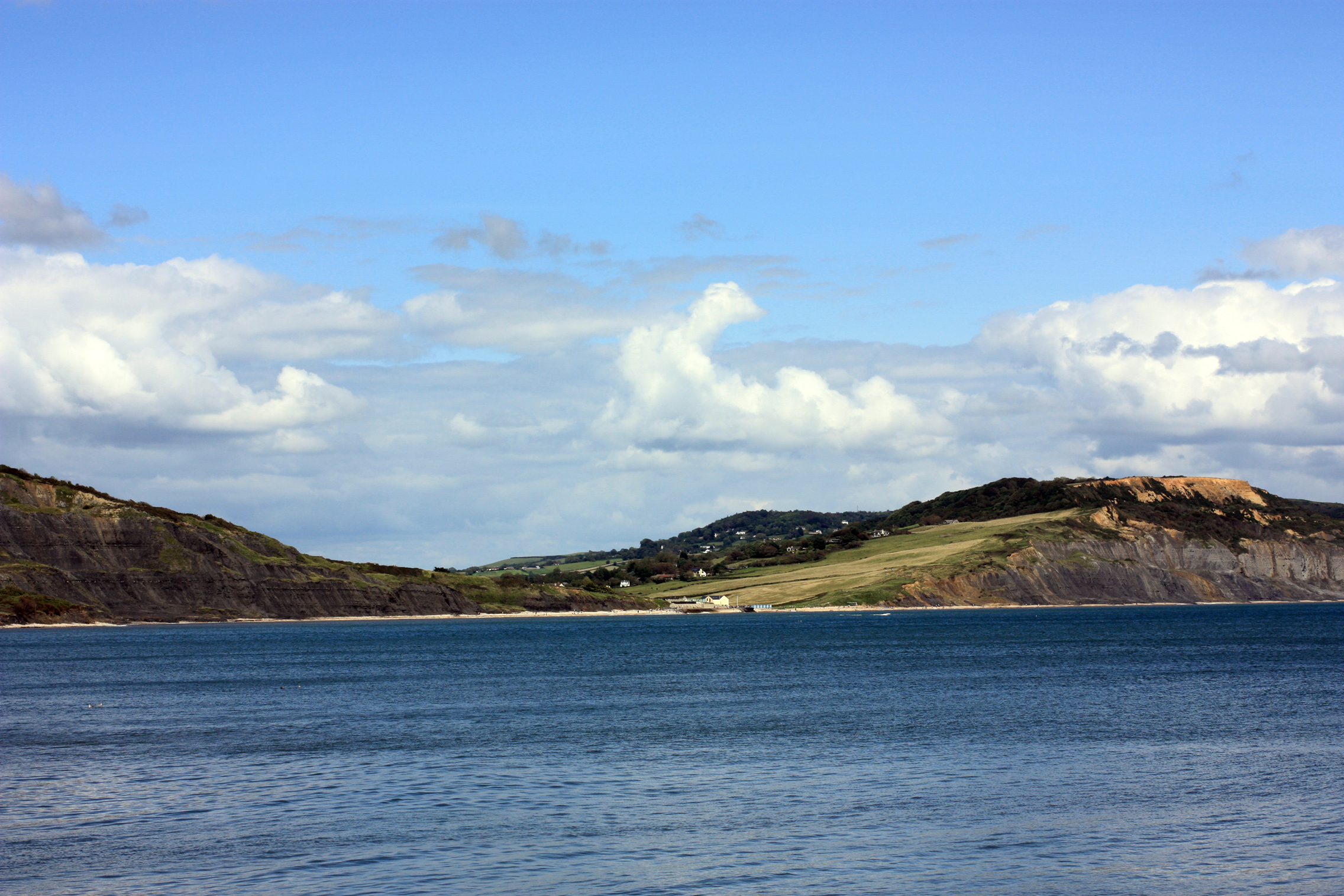


So this is the Jurassic Coast World Heritage Site, a geological walk back through INFINITE time and its my entry for this weeks photo challenge, as well as an excuse to show off the beautiful of South West of England!
Join in at http://dailypost.wordpress.com/2013/10/11/photo-challenge-infinite/
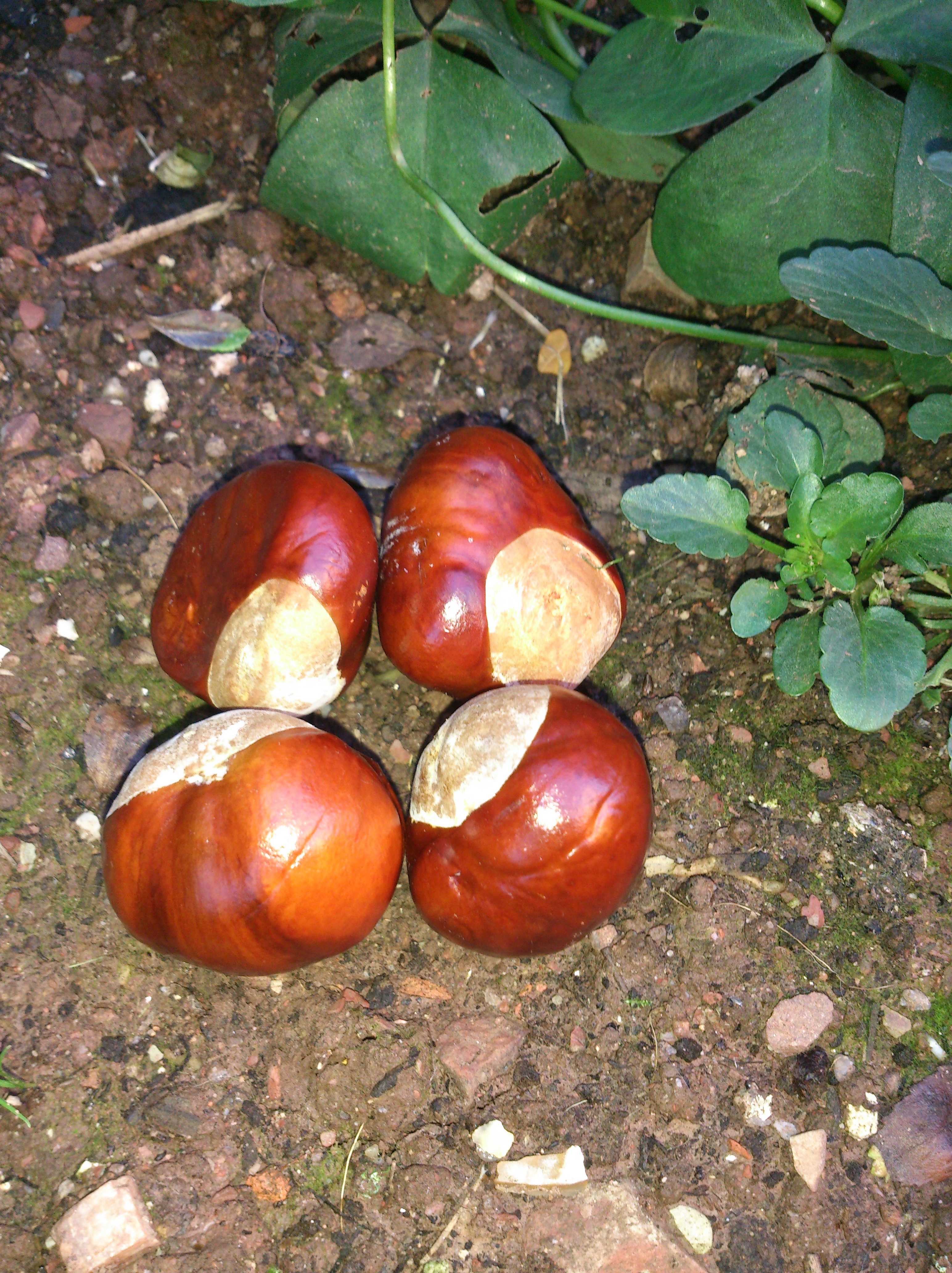
When I was a girl one of the most exciting things at this time of year was collecting conkers! My route home from school was through a park with big, old, Horse Chestnut trees, and the big boys always got the first go. They would throw sticks high up into the branches, in the hope of knocking down some of the prickly cases. Boys being boys they were often just too impatient, and instead of waiting until they were ripe, succeeded in felling pale soft conkers that would’nt do the job. I would wait around until they were bored, and hunt in the rustling leaves until a found my shiny brown treasure.
Do you remember the game? If you grew up in England before the 1980’s you probably do. Conkers were more effective if you kept them to harden a little. Then you would make a hole with a meat skewer – do they still exist? Shove a piece of string through, knot it and then fight!
It’s the fighting that eventually called a halt to the free fun that had gone on for centuries. Apparently, when you aimed your conker weapon at your friends, there was a high chance you would do some serious damage, eyes would be knocked from their sockets, someone might choke, and there would be severe bruises causing agony all over your body. So health and safety required that conkers be banned from schools, and a whole generation has grown up barely noticing the September bounty.
Conkers were never really a weapon for me, I couldn’t hit my opponents to save my life, I was much more likely to hit myself. Strange though, I have no memory of any pain from those injuries, just lots of giggles and fun. Fact is I just loved the feel of them, their polished shine and rubbing my thumb over the pale bit. I still do and had to stop myself from bundling dozens into my pockets today. Let me know if lost an eye or bear the scars.
 Lucid Gypsy